How much should a tire patch up cost?

February 4, 2026

lugwrenchheroes

Cost of Tire Patchs in Phoenix AZ metro area, from the tire repair experts!

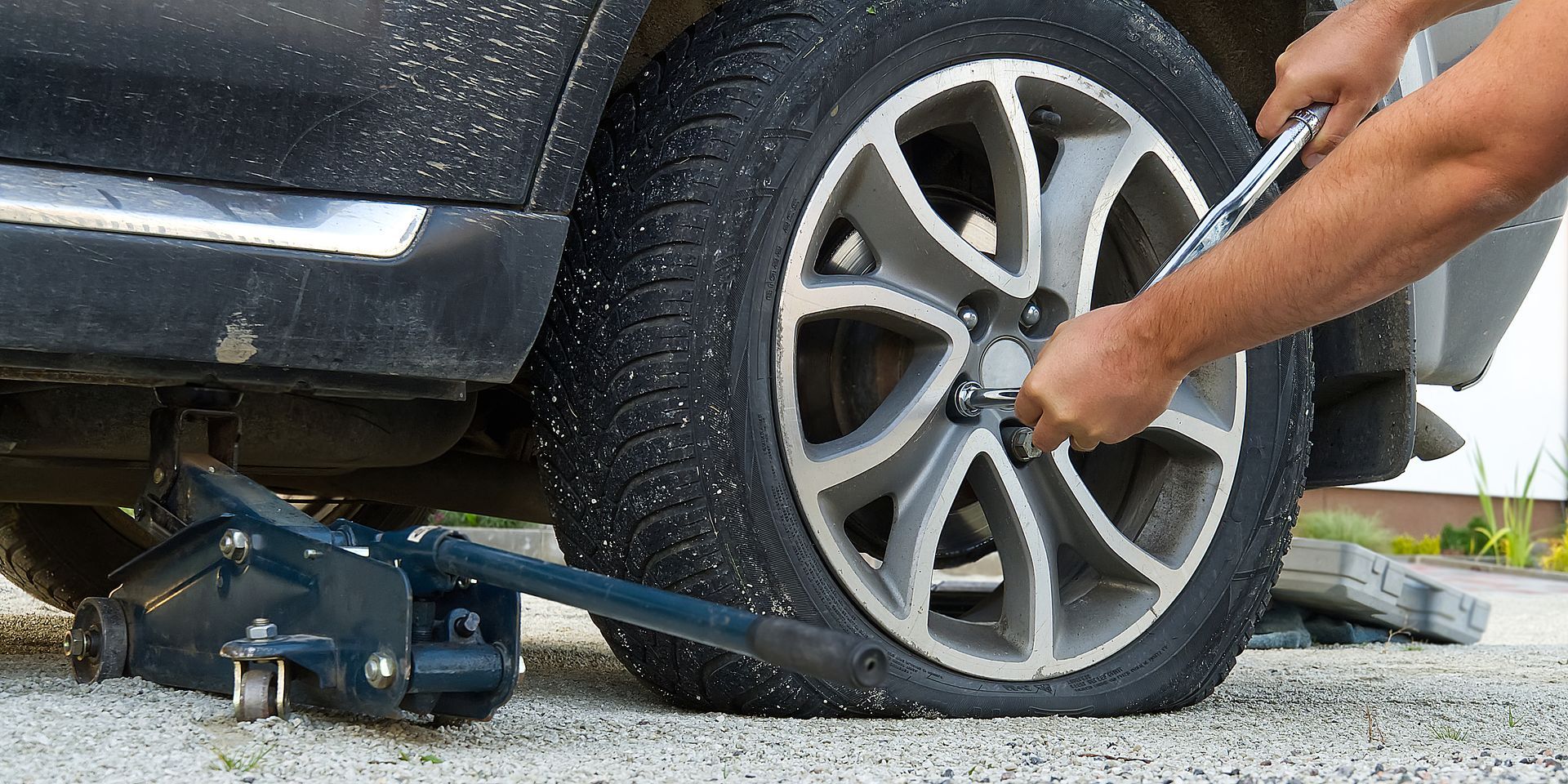
Facing a flat tire is a common problem for drivers. Finding the right tire patching service pricing can be tricky. The cost for fixing a tire quickly can range from $20 to $50. This is a small price to pay for your safety and the life of your tires.


The cost can change based on how bad the damage is, the repair method, and loyalty programs. Some tire repair companies in Phoenix, AZ like LugWrench Heroes offer tire patch services for flats if you bought the tire there and are a loyal customer. So, it's important to check out Customer Care Plans when looking at tire puncture repair cost.


Customers looking for a good deal should look beyond the flat tire repair price. They should check what services are included. This way, they can save money and make sure their car is ready for anything the road throws at it.


Key Takeaways

  • The average tire repair cost is between $20 to $50, inclusive of inspection and repair services.
  • Costs are impacted by the repair method, severity of tire damage, and additional service inclusions.
  • Keeping abreast with loyalty programs and Customer Care Plans may yield cost-saving benefits.
  • A thorough understanding of tire patching service pricing is vital for making informed decisions.

Understanding Tire Damage and Repair Options in Phoenix, AZ

Dealing with tire damage in Phoenix and Scottsdale AZ area means knowing the different types and repair options. A slow leak or sudden blowout can affect your safety and performance. The cost of repair or replacement depends on the damage's severity and location.

Types of Tire Damage

Tires can get damaged from common road hazards. Punctures, sidewall issues, and valve stem problems are common. The damage type affects the repair method and the tire puncture repair cost.

Comparing Tire Patch, Plug, and Replacement Methods

There are three main repair methods: patching, plugging, or replacing the tire. Patching costs between $20 to $50 for minor punctures. Plugging is similar in price but used differently. For serious damage, like sidewall issues, replacing the tire is safer but more expensive, often over $100.

The Impact of Tire Age and Condition on Repair Decisions

Choosing to repair or replace a tire depends on the damage and the tire's age and condition. Older or worn-out tires might not be good for patching or plugging. In these cases, replacing the tire is safer but more expensive.


Factors Influencing the Cost of Tire Patching

Several factors affect the cost of fixing a tire. These include the damage's severity and location, the tire type, and any warranty coverage. Each factor can change the final repair price.


The Severity and Location of the Damage: Not all tire damages are the same. A simple puncture in the tread might cost $20 to $50 to fix. But, if the damage is on the sidewall or is more serious, the repair can cost over $100.


Specialty Tires vs. Standard Tires: Repairing specialty tires, like those for high-performance or all-terrain vehicles, is more expensive. This is because they use special materials and are harder to fix. So, fixing these tires can cost a lot more than standard tires.

Warranty Coverage: Warranty coverage can also impact repair costs. Some manufacturers cover all or part of the repair costs. This can help lower what you have to pay. It's a good idea to check your tire warranty to see if it can help with repair costs.

How to Choose the Right Tire Repair Service in Phoenix, SCottsdale and East Valley?

When your tire gets damaged, picking the right repair service is key. The cost should reflect the quality and durability of the fix. Decide between a patch or a new tire based on the damage and the service provider's skill.

What to Look For in a Tire Service Provider

It's important to find a trustworthy tire service provider. Look for shops with good reviews and follow industry standards. They should explain if a patch or a new tire is needed and why. Knowing the cost of a tire patch can help you make a better choice. It's all about your specific situation and what's best for your car.

Why Local Auto Shops May Offer Better Deals than Chain Stores

Local auto tire shops like LugWrench Heroes usually have better tire puncture repair cost deals than big chains. They focus on customer service and tailor services to your car and budget. Local shops are more open to negotiating prices, unlike big chains with set prices.

Judging When a Patch Is Sufficient or If Replacement Is Necessary

Deciding between a patch or a new tire depends on the damage and the tire's life. A small puncture can often be fixed with a patch, but not if it's on the sidewall. Deeper or more complex damage might mean you need a new tire.

Knowing the repair cost is important, but safety and performance should come first. Always consider what's best for your car.

Conclusion

Understanding tire repair costs is complex. It depends on many factors, like the damage's severity and the tire's type. Small punctures might need a quick fix, while big tears could mean replacing the whole tire. Each case has its own price tag.


Keeping tires in good shape can prevent the need for repairs. Following the car maker's advice on tire rotation and air pressure is key. This can help avoid damage and save money on repairs. Knowing about your tire warranty is also important to cut down on costs.


Choosing the right tire repair service is critical. Look at the quality of the repair, the service provider's reputation, and the long-term effects of the fix. With the right knowledge, car owners can make smart choices. This way, they can avoid high repair costs and keep their vehicles safe and reliable.

FAQ

How much should a tire patch up cost?

The cost of fixing a tire can range from $20 to $50. This price can change based on the repair method, damage severity, and other factors.

What types of tire damage can be repaired?

You can fix punctures from sharp objects, minor cuts, and tread area damage. But, damage to the sidewall or bead area, large cuts, or significant wear usually need a new tire.

How do tire patch, plug, and replacement methods differ?

A tire patch is rubber cemented inside the tire over a puncture. A plug is inserted from the outside. Sometimes, you need both a patch and a plug. Replacements are needed for extensive damage or wear.

Does the age and condition of a tire affect repair decisions?

Yes, older tires or those with significant wear may not be safe to repair. Tires with less tread or those repaired multiple times usually need to be replaced.

What factors influence the cost of tire patching?

The cost depends on the damage's severity and location, the tire type, labor charges, and any additional issues.

Are prices different when repairing specialty tires compared to standard tires?

Yes, specialty tires like those with run-flat technology or larger sizes cost more to repair. This is because they need specialized techniques and materials.

How does warranty coverage affect tire repair costs?

Tires under warranty may have repair costs covered. This can save you money. Always check your warranty to see what's covered.

What should I look for in a tire service provider?

Look for providers that use recommended methods, follow safety standards, and have a good track record in diagnosing and repairing tire damage.

Why might local auto shops offer better deals than chain stores?

Local tire shops often have better prices and personalized service. They might also offer discounts or bundle services, making them more flexible.

How do I judge whether a patch is sufficient or if replacement is necessary?

A patch works for small punctures in the tread area. But, if the puncture is on the sidewall, the tire has structural damage, or the tread is worn out, you need a new tire.
tire repair
By TJ Loftus January 23, 2026
When you think about getting a tire repaired, several things matter. The cost depends on the damage type and how bad it is. Also, what services you need.
flat tire
By TJ Loftus January 9, 2026
When a tire gets punctured, car owners often wonder how much it costs to fix it. It's important to act fast to avoid more damage and stay safe on the road.
man holding tire
By TJ Loftus December 19, 2025
Ever wondered how long you'll wait for a tire repair? Being stuck on the side of the road or in a repair shop can be frustrating.
car in field
By TJ Loftus December 5, 2025
Ever thought about how long a patched tire can last before it's dangerous? Many drivers worry about this. A quick fix might seem good, but it's vital to think about safety and performance.
mercedes
By TJ Loftus November 21, 2025
What if the secret to a quieter cabin, sharper steering, and shorter stops is not the car at all—but the rubber it rides on?
tires
By TJ Loftus November 7, 2025
What if the “right tire” isn’t the priciest brand, but the one that matches how and where they drive—down to speed rating, climate, and daily routine?
atv tire in sand
By TJ Loftus October 21, 2025
Are you curious about how long your ATV's tires will last? The life of ATV tires is a big deal for many riders in Phoenix, AZ.
trailer in open area
By TJ Loftus October 10, 2025
Are you using the right tires for your trailer? The type of tires you need depends on your trailer's kind. It's important to pick the right tires for your safety.
By TJ Loftus September 16, 2025
Getting a flat tire can be really stressful, even more so when it happens far from home. Whether you're driving on the highway or parked in a distant lot, a flat tire can leave you feeling stranded. You might not know what to do next. Knowing how to handle a flat tire is key for your safety and getting back on the road fast. This article will give you important tips and safety measures for dealing with a flat tire. It will help you handle this common roadside problem. Being ready with the right knowledge and tools can make a big difference. It can help you get back to your journey with little disruption. Key Takeaways Understand the basics of flat tire assistance and how to access it. Learn essential tire changing tips for a safe and successful experience. Discover the importance of flat tire safety precautions to prevent further issues. Find out how to prepare for a flat tire before it happens. Know what to do after changing a flat tire to ensure your vehicle is safe to drive. Safety First: Immediate Steps When You Have a Flat Tire When you find out you have a flat tire, your first step is to stay safe. If you're driving, act calmly and follow the right steps to avoid danger. Don't slam on the brakes It's natural to want to stop fast when you get a flat tire. But slamming on the brakes can make your car skid or lose control. This could lead to an accident. So, instead, slow down by easing off the gas pedal and keep a firm hold on the steering wheel. Let off the gas and keep the wheel steady. Turn on your hazard lights to alert other drivers. Steer your vehicle to a safe location, away from traffic. Avoid driving far on a flat tire to prevent further damage. If you're stuck with a flat tire, getting roadside help is a big relief. Many services are ready to help you get back on the road safely and quickly. What to do if you have a flat tire away from home? When a flat tire happens far from home, having a plan can make things better. First, make sure you're safe. If you see a flat tire while parked, look at the tire for damage. Check the sidewalls, tread, and for any objects that might have caused it. Contact a local mobile tire repair service if it is available. Expert services are key in preventing further damage and fixing your tire. Inspecting the Tire and Initial Actions Looking at the tire helps you decide what to do next. If it's too damaged, use a spare tire or call for help. Check if you have a spare tire and if it's in good shape. Think about using a tire inflator if the tire is not flat. If you're not sure about changing the tire, call for roadside help. A flat tire emergency kit in your car is very useful. It should have a spare tire, tire levers, and a car jack. Using a Spare Tire or Tire Inflator If you choose to use a spare tire, follow your car's instructions. Make sure you're in a safe spot, away from cars. A tire inflator can help if the tire is not flat. But remember, it's only a temporary fix. You should get the tire fixed or replaced soon. Following the flat tire repair steps carefully keeps you safe. If you're not sure about anything, get professional help. Being ready and knowing what to do makes handling a flat tire away from home easier. Conclusion: Being Prepared for Future Flat Tire Emergencies Being ready is essential for dealing with a flat tire safely and quickly . Make sure you have a spare tire, jack, lug wrench, tire inflator, flashlight, and reflective triangles in your car. These items can greatly help when you get a flat tire. Having a flat tire emergency kit in your car means you're set for repairs and changes. It's also important to know how to stay safe when you can't get help right away. If you get a flat tire, staying calm and following the right steps is key. With the right preparation and knowledge, you can quickly fix the issue and get moving again. Contact LugWrench Heroes today for professional tire services and inspections in the Phoenix area!
By TJ Loftus September 11, 2025
Buying new tires can be a complex process. It's essential to ask the right questions. This ensures you get the best tires for your car. With so many options available, it's easy to feel overwhelmed. Knowing what to inquire about helps you make an informed decision. You can then drive away with the best tires for your vehicle. Key Takeaways Understand your vehicle's tire requirements Research different tire brands and models Check the tire's tread depth and warranty Consider the tire's performance in various weather conditions Ask about installation and balancing services Essential Tire Selection Questions Getting new tires begins with checking your current ones. You need to find out what you're looking for in a new tire set . Checking Tread Depth First, look at your tires for tread depth and wear signs. To check tread depth, use the penny test. Place a penny in the tire groove with Lincoln's head down. If you see his head, your tread is too low and it's time for new tires. Knowing your vehicle's tire size is also key. The size is on the sidewall and helps pick the right tires. When picking new tires, consider these factors: Tire type (all-season, winter, performance) Tread pattern and depth Load-carrying capacity Speed rating Different tires are made for different conditions. Winter tires are for snow and ice, while all-season tires are for general use. What to Ask for When Getting New Tires? Purchase and Installation Considerations When buying new tires, several factors are important. The right tires can make your car safer, more fuel-efficient, and better to drive. It's key to ask the right questions when buying tires. This ensures they fit your car and driving style well. Here are some important things to consider: Understanding the different types of tires available, such as all-season, high-performance, or off-road tires. Knowing the correct tire size for your vehicle, as specified in your owner's manual or on the tire information placard on the driver's side doorjamb. Inquiring about tire warranty information and what it covers. Considering Your Driving Habits Your driving habits affect the right tires for your car. For example, if you drive in harsh weather, you might need special tires. If you drive mostly on highways, you might prioritize tires with good fuel efficiency and low noise levels. For those who frequently drive off-road or in rugged conditions, tires with enhanced durability and traction are advisable. Understanding your typical driving conditions will help you ask the right questions when purchasing new tires. It's also important to ask about the tire installation process. Proper installation ensures your tires work well and last long. Ask about the tire pressure recommendations and how often to check it. By considering these factors and asking the right questions, you can find the perfect tires. They will make your driving safe, comfortable, and enjoyable. Maintenance Questions for Long-Term Tire Performance Keeping your tires in good shape is essential for their longevity. It's all about asking the right questions. Regular care not only makes your tires last longer but also boosts your car's performance and safety. Checking Tire Pressure Checking tire pressure is a must. It affects fuel efficiency, handling, and safety. Here are some important tips: Check tire pressure at least once a month, and before long trips. Use a reliable tire pressure gauge. Refer to your vehicle's owner's manual for the recommended tire pressure. Tire rotation is also key. It helps wear out your tires evenly, making them last longer. Here's what to ask about tire rotation: Ask about the recommended tire rotation schedule for your vehicle. Understand the different tire rotation patterns (e.g., rearward cross, side-to-side). Find out if your tire rotation includes balancing. Tire balancing is vital. Unbalanced tires can cause uneven wear, vibrations, and poor fuel efficiency. Here are some questions to ask: What is the cost of tire balancing? How often should tires be balanced? Are there any signs that indicate my tires need balancing (e.g., vibrations while driving)? Lastly, asking about top tire brands can help you choose the right ones. Michelin, Goodyear, and Continental are known for quality and durability. Here's what to consider when asking about tire brands: The specific needs of your vehicle (e.g., all-season, off-road). The warranty and support offered by the manufacturer. Reviews and ratings from other customers. Conclusion Asking the right questions when buying new tires is key. It ensures your vehicle gets the best fit and keeps tires in top shape. Think about tire type, size, and tread pattern to boost your car's performance and safety. When you get new tires, ask about the right tire pressure, rotation, and balancing. This knowledge helps your tires last longer. Knowing what to ask can lead to better decisions and fewer problems later. Being informed and asking the right questions leads to a better driving experience. You'll enjoy a smoother ride, better fuel efficiency, and more. Whether you're an experienced driver or new, knowing what to ask is essential for your vehicle's tires. Contact LugWrench Heroes today for professional tire services and inspections in the Phoenix area!