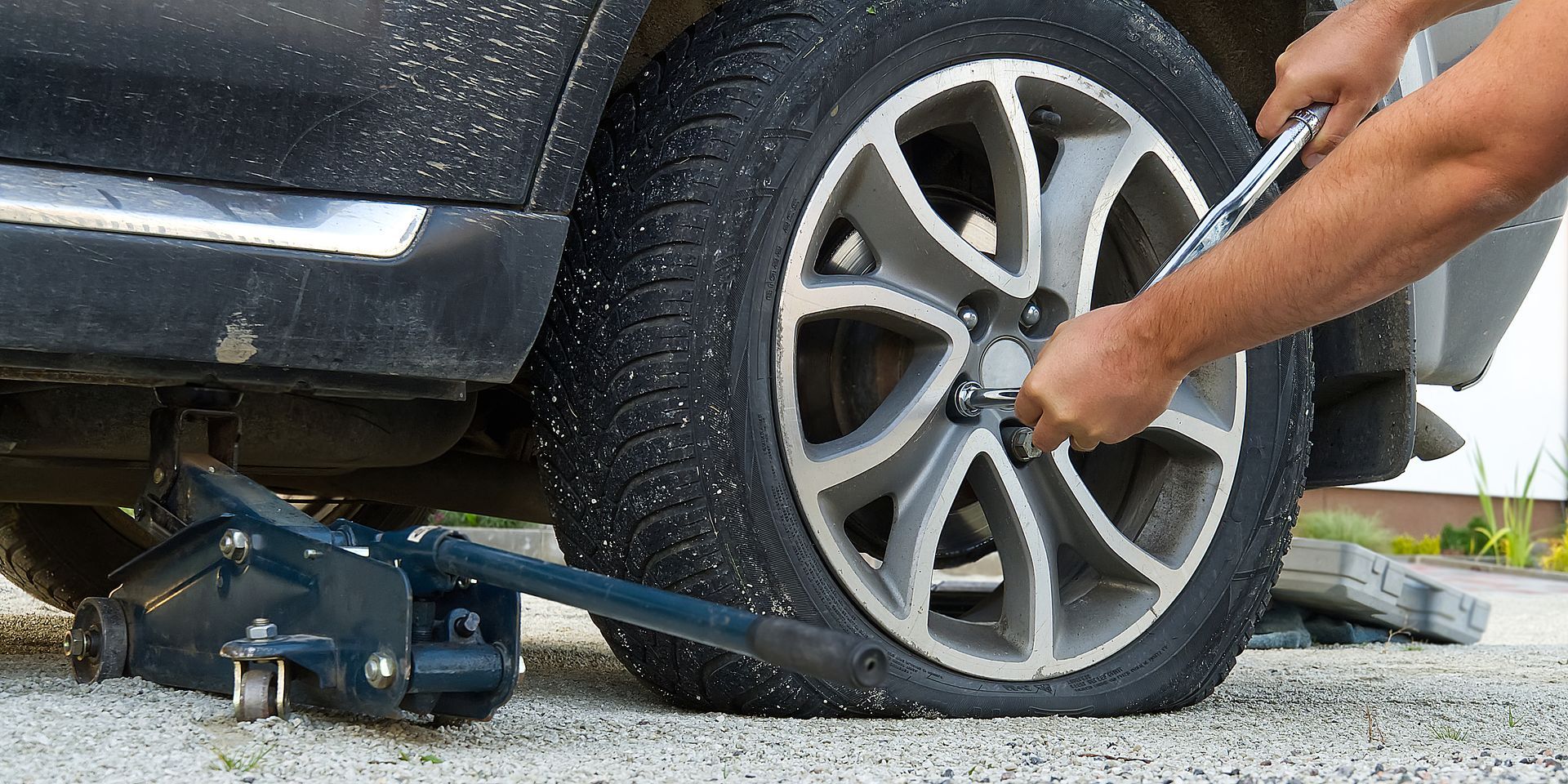


A report by the U.S. Department of Transportation shows that people spend over $3 billion on tire issues every year. Drivers often wonder: is it cheaper to repair or replace a tire ? The cost of new tires might push drivers to choose repair. But, safety and how long the tire will last are also important.
LugWrench Heroes a top rated and review tire repair shop in the Scottsdale and Phoenix, AZ metro areas says looking at each tire damage case helps choose the best option. This choice is between tire maintenance options.
Choosing affordable tire repair services might seem like a good way to save money. But, the location and size of the puncture, or how much the tire has worn down, affect the cost. Sometimes, the cost of a tire that might fail soon can be more than the upfront cost of replacing it. So, it's important to think about whether saving money on tire replacements is smart in the long run.
Key Takeaways
- Decisive safety and cost factors must be considered when choosing between repair or replacement.
- A thorough assessment by professionals like Eric Riddles can determine the most reliable option.
- Immediate affordability doesn't guarantee long-term savings or safety with tire repair.
- The damage's nature and size, and the tire's age and wear are pivotal in deciding the most cost-effective solution.
- Regular maintenance is crucial for extending tire life and optimizing performance.
Evaluating the Condition: Tire Damage Assessment
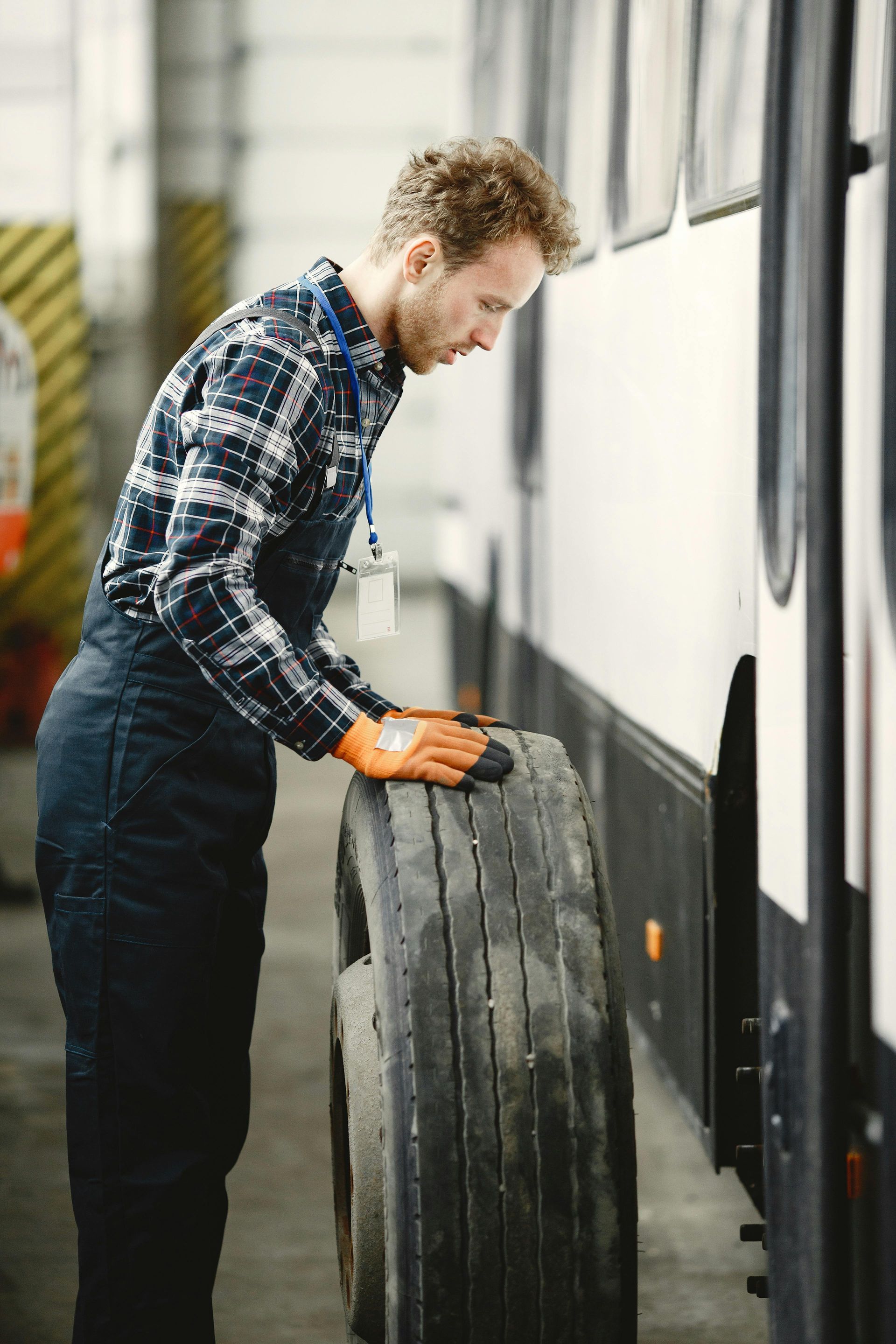
Checking a tire for damage is key to deciding if it can be fixed or needs to be replaced. This check is important for safety and also affects the cost of fixing or replacing the tire. It helps find the best way to handle the situation.
Understanding Puncture Locations and Implications
The spot where a tire gets punctured matters a lot for repairability. Punctures in the tread can usually be fixed. But, if it's on the sidewall, it's often safer to replace the tire because of the risk of a blowout.
This knowledge helps drivers make smart choices about fixing or replacing the tire.
Gauging the Severity: Size of the Puncture or Cut
The size of the damage is crucial in deciding what to do with a tire. Punctures up to 1/4" in diameter can be repaired. But, anything bigger is a safety risk and means it's time for a new tire.
Assessing Interior Damage from Extended Driving on a Compromised Tire
Driving on a damaged tire, especially if it's not properly inflated, can cause serious harm inside the tire. This can weaken the tire's structure and make it dangerous. It's important to check for this damage to see if the tire can be fixed or if it needs to be replaced.
Other factors like the tire's age, how much tread is left, and signs of wear or dry rot also matter. They help decide if fixing the tire is worth it or if it's better to replace it.
Cost Considerations: Tire Repair vs. Replacement Expenses
When a tire gets damaged, drivers face a choice: repair or replace it. Knowing the costs of each option helps in making a smart choice. It's key to find affordable tire solutions.
The tire repair cost is usually lower than replacing it. This is because fixing a puncture is simple and can be done at a local garage or even at home with DIY kits. But, it's important to check the damage to make sure it's safe.
On the other hand, tire replacement costs are higher. Prices vary by brand, size, and type. But, new tires are a good investment for reliability and performance. You might need to replace a tire if the damage is severe or if it's very worn out.
- Checking how bad the tire damage is is key in figuring out the cost.
- Small punctures can be fixed cheaply, helping you save money on tire replacements.
- Big damages often need more than just a fix, making replacement safer for driving.
Choosing between repair or replacement should focus on safety, effectiveness, and cost-effectiveness. It's a good idea to talk to experts. They can suggest the best cost-effective tire solutions for your situation.
Is it cheaper to repair or replace a tire: Making the Cost-Effective Decision
When a tire gets damaged, drivers often wonder: is it cheaper to repair or replace a tire? The answer varies based on safety and cost factors. Choosing between repair and replacement is key for saving money and staying safe on the road.
At first, fixing a tire might look like a good deal, especially for small punctures that can be easily patched. It seems like the smart choice because it uses less material and labor. But, there are other things to think about before deciding if fixing is the best option.
- Evaluate the Damage : Look at the size and spot where the puncture is. If it's on the tire's sidewall, fixing it could be dangerous.
- Consider the Tire's Age and Tread Wear : If the tire is old or the tread is worn down, it might be safer and better to replace it.
- Assess Risk and Long-Term Cost : Repairing a tire might save money now, but think about the risks and costs later. A fixed tire could fail, causing more problems or accidents.
Talking to tire experts is a smart move. They can look at the damage and the tire's condition to help you decide between repair or replacement. This choice should consider not just the upfront cost but also the long-term value and safety. It's about getting the best value for tire repairs.
In the end, the lower cost of fixing a tire can be tempting. But, it's important to weigh all the factors carefully. This way, you can save money and stay safe while driving.
Long-Term Tire Health: Maintenance and Care Tips
Keeping your tires in good shape is key for your car's safety and longevity. A good tire maintenance plan helps your tires last longer and keeps your car safe and running well. By checking your tires often and following the right maintenance steps, you can save money on affordable tire repair services and keep your car safe.
The Importance of Regular Tire Inspections
Checking your tires regularly is vital for their health and performance. These checks spot problems like low air pressure, uneven wear, or big punctures that could be dangerous. Catching these issues early means you can fix them quickly with affordable tire repair services. This keeps your tires safe and your car running well.
Balancing and Rotation: Extending the Life of Your Tires
Balancing and rotating your tires are key to making them last longer. Balancing makes sure your tires wear down evenly, stopping uneven wear that can harm a tire. Rotation changes the tires' spots on the car to make sure they all wear out evenly. These steps are crucial for extending tire life and keeping your car safe by ensuring even traction and handling.
Conclusion
When deciding if it's cheaper to repair or replace a tire, we looked at many factors. We saw how to check the tire's condition and the damage it has. For small punctures on the tread, fixing the tire is often the best choice. It's affordable and keeps you safe on the road.
But, if the damage is more serious, getting a new tire is usually the better option. It's not just about the upfront cost. It's also about the tire's future safety and performance. Bad tires can be dangerous and may cause more damage or use more fuel.
Checking your tires regularly helps them last longer and avoids expensive replacements. Regular care is key to keeping repair costs low. In the end, the choice between repair and replacement depends on your safety and budget. By thinking about these factors and getting advice, you can make a smart choice for your needs.
If you need tire repair or replacement in Scottsdale, Phoenix, Tempe or the surrounding nearby areas contact LugWrench Heroes we can help!
FAQ
Is it cheaper to repair or replace a tire?
The choice between repairing or replacing a tire depends on several factors. These include the damage's extent, the tire's condition, and safety. For minor punctures in the tread, repairs might be more affordable. However, for serious damage or wear, replacing the tire could be more cost-effective in the long run.
How does puncture location affect tire repair options?
Where a puncture is located greatly impacts repair options. Punctures in the tread area can usually be repaired. But, those in the sidewall or shoulder often require replacement due to the higher risk of tire failure.
What is the maximum size of a puncture or cut that can be safely repaired?
Punctures up to 1/4 inch in diameter in the tread area can often be repaired safely. However, larger punctures or cuts extending to the sidewalls usually mean the tire needs to be replaced. This ensures safety and performance.
Can a tire with interior damage from driving on it while flat be repaired?
Tires driven on while flat often suffer internal damage that affects their safety. In such cases, it's best to replace the tires to prevent potential failures on the road.
How much can I expect to pay for tire repair compared to tire replacement?
Tire repair costs are generally lower than replacing a tire. Basic repairs like plugging a hole are more affordable. On the other hand, replacing a tire includes the cost of a new tire and the service to mount and balance it on your vehicle.
When trying to decide if it's cheaper to repair or replace a tire, what should I consider?
When deciding, think about the damage's severity and location, the tire's age and wear, and the safety of repair versus replacement. Always choose safety and long-term cost-effectiveness over immediate costs.
Why are regular tire inspections important?
Regular tire inspections are key for spotting early damage signs that could lead to bigger issues if ignored. They improve safety, extend the tire's life, and can save you from more expensive repairs or replacements later.
How do balancing and rotation contribute to extending the life of tires?
Balancing and rotation spread wear evenly across all tires, preventing premature wear and extending their life. These maintenance steps also lead to a smoother ride and better vehicle handling.