How do I find the right tire for me in Phoenix?

November 7, 2025

TJ Loftus

What if the “right tire” isn’t the priciest brand, but the one that matches how and where they drive—down to speed rating, climate, and daily routine?

They ask, How do I find the right tire for me?  The answer is simple: fit is key, not just the price. Make sure the tire fits your vehicle's size, load index, and speed rating. Then, consider the climate, terrain, and how you drive.


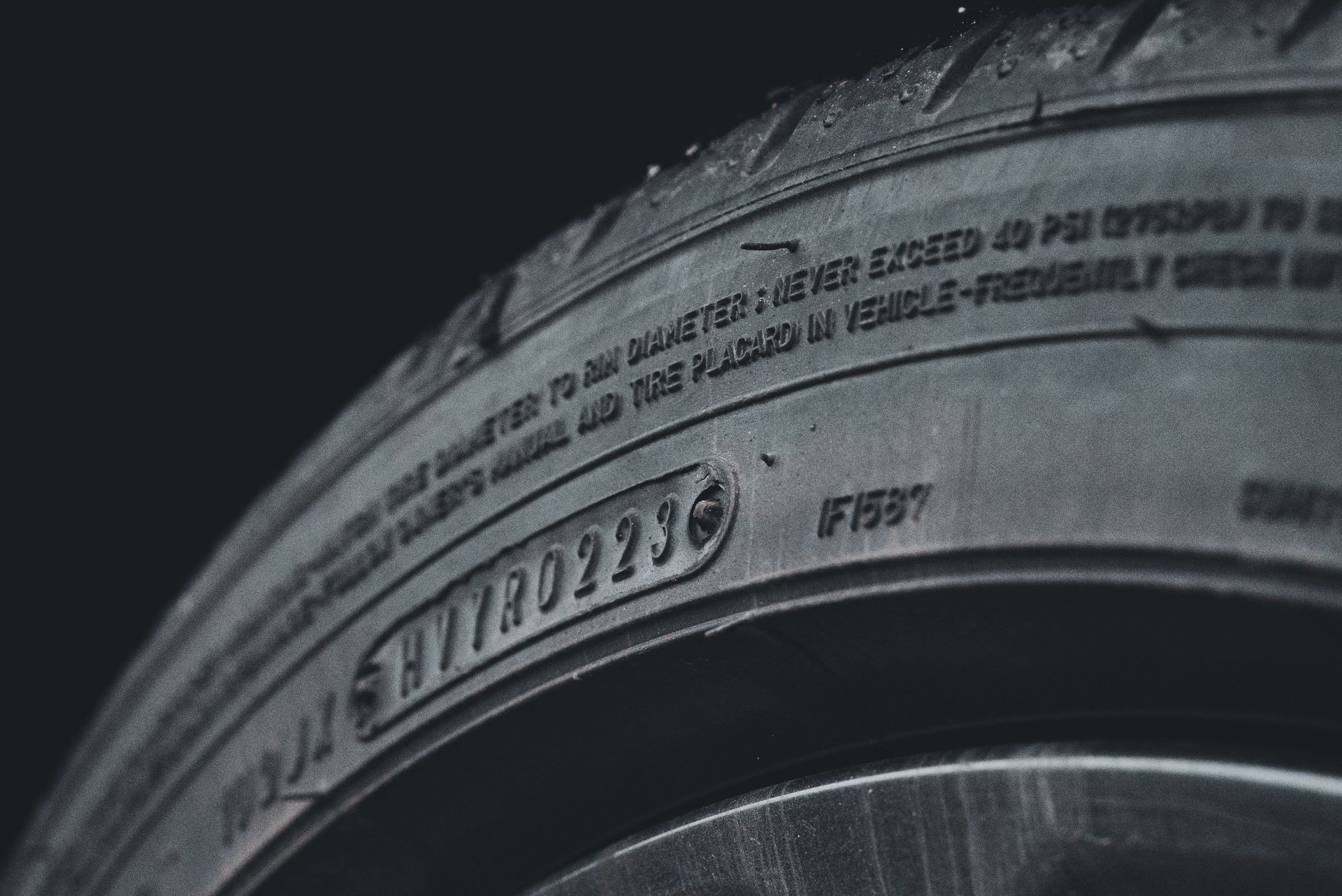
Consumer Reports helps by categorizing tires. They have All-Season for daily driving, Ultra-High-Performance for better handling, All-Terrain for different surfaces, and Winter/Snow for cold weather. Tires have speed symbols like S (112 mph) and T (118 mph), up to W (168 mph) and Y (186 mph).


They have a Tire Selector to find the best fit for your vehicle or size. They also test treadwear to predict how long the tire will last. These tests cover 16,000 road miles.

Michelin focuses on weather. In warm areas, all-season or summer tires work well. But in cold places, winter tires are better. Yokohama emphasizes matching size, load index, and speed symbol. Then, choose based on where you live, how you drive, and how long you want the tire to last.


For Phoenix city drivers, look for quiet tires with good wet braking and fuel efficiency. Highway drivers might prefer stability and less noise. Off-road drivers need all-terrain grip. With the right approach and testing, finding the perfect tire is easier.


Key Takeaways

  • Start with exact size, load index, and speed rating that match the vehicle’s OEM specs.
  • Use Consumer Reports’ Tire Selector and treadwear results to compare real-world performance.
  • Pick by climate: all-season or summer for warm areas; dedicated winter tires for severe cold.
  • Align with driving style and roads—city, highway, towing, or off-road—to refine the choice.
  • Check UTQG traction and temperature grades for wet grip and heat resistance.
  • Install winter tires in full sets and remove them in spring to reduce wear and improve safety.
  • Rely on test-based tire selection tips and careful tire brand comparison to find the perfect tire in Phoenix, AZ.


Tire fitment guide: size, load index, and speed rating essentials for choosing the best tire in Phoenix

Choosing the right tire starts with matching the size, load index, and speed rating to your vehicle. A tire fitment guide is key to finding the correct fit. It ensures the tire fits well and works with your car's systems.


Yokohama suggests a simple method: check the tire size, load index, and speed rating. This ensures the tire fits right, carries the right load, and goes at the right speed. It's important for safe driving every day.


Speed ratings should match your car's specs. Consumer Reports groups ratings by type. For example, passenger tires usually have T, H, or V ratings. SUVs and trucks often need H or S ratings.


Michelin warns against using lower ratings than recommended. Higher ratings mean better handling and steering. Touring tires with S, T, or H ratings are good for comfort. Higher ratings are better for handling.


Load index must match your car's needs. For heavy loads, you might need higher load-rated tires. Choose tires based on how you use your car.


Climate affects tire choice. Use UTQG to check wet and heat performance. In rainy areas, choose tires with high traction grades. In hot areas, look for high temperature grades.


Keep tire pressure at the recommended level. Overinflation wears the center, while underinflation damages the shoulders. Misalignment can cause scuffs. Consumer Reports suggests checking tread patterns for early signs of wear.


For winter, use four matching tires for better grip. Keep pressures at spec for stable traction and braking.

  • Use a tire fitment guide to match size, load index, and speed symbol to OEM.
  • Consult tire type recommendations by category and climate.
  • Leverage a tire size calculator to validate dimensions and diameter.
  • Rely on Consumer Reports’ Tire Selector to surface tested models that fit.


Vehicles with staggered sizes may have shorter warranties. Yokohama notes this is often half the standard warranty. Consider this when choosing tires for performance models and wide-fit setups.


How do I find the right tire for me in Phoenix?

Start by thinking about the climate where you live. Michelin suggests all-season or summer tires for warm areas. For places with four seasons, you can use a summer set and a winter set, or just an all-season set.


In very cold areas, you need dedicated winter tires. They provide better grip than all-season tires.


Yokohama recommends different tires for different climates. In warm areas, look for tires with strong dry braking and UTQG temperature A. For rainy areas, choose tires with UTQG traction AA or A.


In snowy areas, go for dedicated winter tires or 3PMS all-season models rated for severe snow service. Make sure to put winter tires on all four wheels.

Next, decide on a category. Consumer Reports lists several types: All-Season for year-round use and long treadwear; All-Season SUV for comfort and towing; All-Season Truck for heavy loads; UHP all-season or summer for quick steering and grip.


There's also All-Terrain for unpaved roads and snowy tracks; Winter/Snow for cold weather; Performance Winter for cars with UHP tires; and Truck Winter for pickups and SUVs.


Consider your driving style and vehicle type. Touring tires are quiet and comfortable, with S, T, or H speed ratings. Higher speed ratings improve handling and steering.

Choose tires that match your class—Car, CUV/SUV, Truck, or Electric Vehicle. For EVs, Consumer Reports suggests tires built for high torque and added weight.


Think about your work needs. Yokohama recommends higher load-rated tires for towing or payload. For daily commuting, all-season tires are a good choice. If you like spirited driving, summer or performance all-season tires are better.


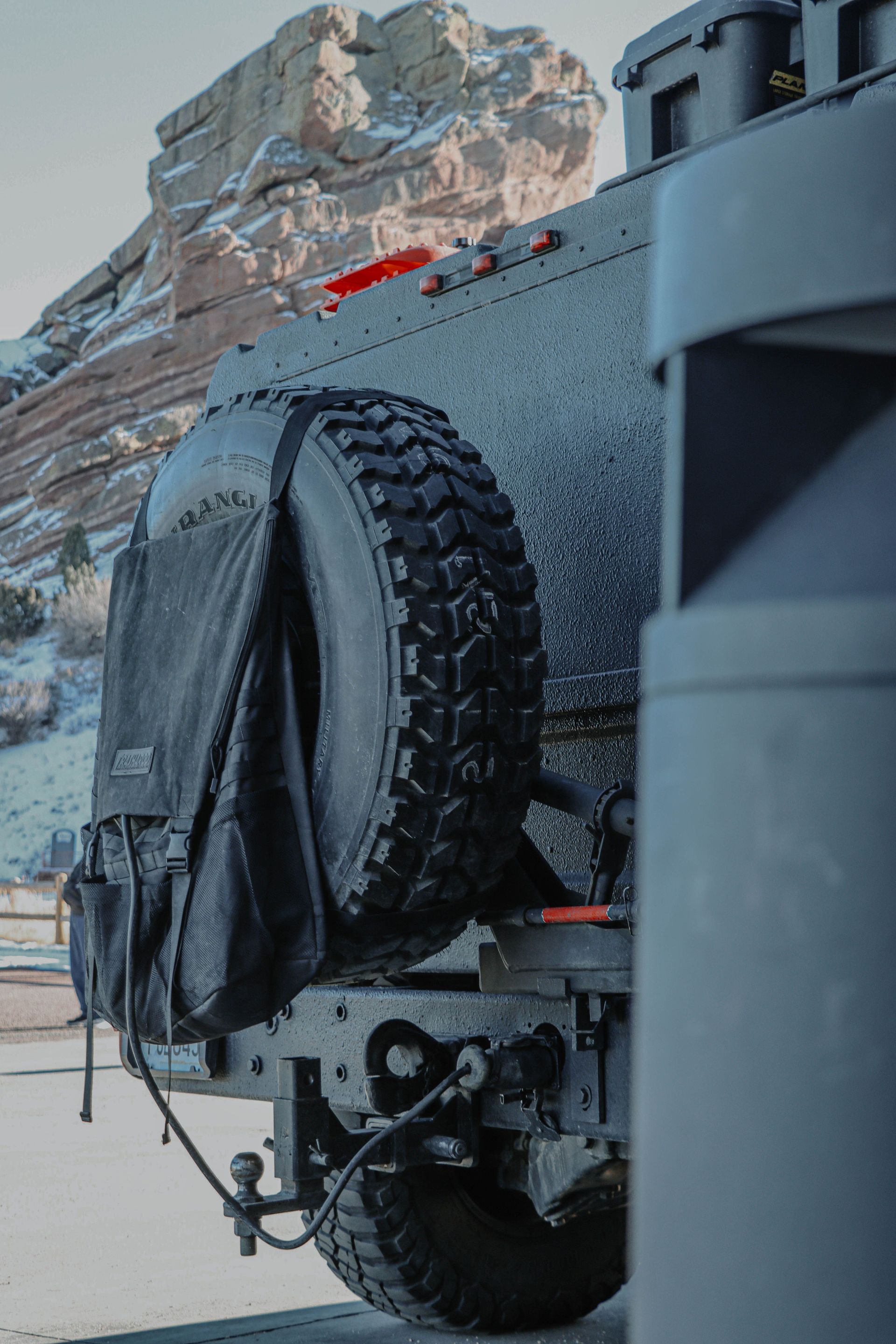
For off-road adventures, all-terrain tires are best for mixed use. Mud-terrain tires are for aggressive trails and rock crawling.


To make a final decision, use a tire selector by vehicle or size. Look at tread-life mileage data from Consumer Reports’ 16,000-mile tests. This can help estimate value. Always check wear patterns to ensure proper inflation and alignment.


Conclusion

Finding the perfect tire in Phoenix is a step-by-step journey. First, use a tire fitment guide to check size, load index, and speed symbol. These details are found on the door placard and owner’s manual.


Then, match the tire to your climate and region. For warm areas, choose summer or all-season tires. In cold zones, go for winter or 3PMS all-season tires. In snowy areas, use winter tires on all four wheels.


Next, consider your daily driving needs. City drivers need tires that brake well in wet and dry conditions. They also want long tread life and low rolling resistance.

For highway driving, focus on high-speed stability and comfort. If you drive on unpaved roads, choose durable, grippy tires. For towing and work, select tires with higher load ratings.


If you love spirited driving, ultra-high-performance or summer tires are great. For a smooth ride, touring tires with S, T, or H ratings are good. They add comfort while meeting OEM minimums.


Use independent testing to make your choice. Consumer Reports’ Tire Selector helps you find the best tire for your vehicle or size. It compares tested models, tread-life, and value scores.


Remember, UHP tires may sacrifice treadwear and ride quality. Winter tires should be removed in spring. All-terrain tires add noise and firmness on pavement.

EVs need EV-ready replacements for extra weight and torque. Staggered setups may cut mileage warranty coverage by half.


The path to choosing the best tire in Phoenix is clear. Confirm OEM specs, define your climate and usage, and shortlist categories. Then, pick a model with suitable UTQG and speed/load ratings backed by test data.


Maintain proper inflation and alignment to avoid wear and protect safety and value. With this approach, drivers in the United States can confidently move from research to road.


Contact LugWrench Heroes today for expert auto care and service, tire repair services, and wheel services!
man repairing tire
By Haley Thompson April 20, 2026
In today's fast world, saving time is key. Mobile tire services offer a convenient solution for busy car owners.
man grabbing tire from shelf
By Haley Thompson April 10, 2026
Replacing all four tires is a key maintenance task. It ensures your vehicle is safe, performs well, and is reliable. Knowing the cost is important for planning your budget.
By Haley Thompson March 20, 2026
Tire safety checks are key to keeping drivers safe on the road. Tires are the only part of a car that touches the ground. They are critical for safe travel. Not checking tires can lead to serious problems. Experts say smaller vehicles rolled over about 25% of the time due to pre-crash tire issues .This shows how important it is to check tire conditions regularly. Regular checks also make your car run better. They help you drive smoothly and safely. Plus, they make your tires last longer, saving you money. They also help the environment by reducing emissions and saving fuel. Taking care of your tires is good for your car and the planet. Key Takeaways Ensuring regular tire safety checks is essential to driving safety and vehicle reliability. Adhering to a complete tire condition checklist can help find problems before they cause accidents. Right tire maintenance boosts your car's performance in Phoenix, AZ. Preventative tire checks save money and help the environment. Checking tires is a must for responsible car ownership. Tire care is a big part of keeping your car in good shape. Understanding the Importance of Regular Tire Inspections in Phoenix, AZ The importance of regular tire checks is huge for keeping your vehicle safe and running well. Checking tires often has many benefits of tire inspection . It makes the roads safer, your car performs better, and helps the environment too. Safety on the Road Keeping your tires in top shape is key for road safety. The right tread depth and air pressure help your car grip the road well. This is a big reason for tire inspection , as it stops your car from skidding, even in bad weather. Prevention of Accidents One major benefit of tire inspection is stopping accidents. Regular checks spot wear and tear early. This means you can avoid blowouts and flats, making the roads safer for everyone. Improved Vehicle Performance Regular tire checks make sure your tires are just right. They're inflated and balanced, which makes your car handle better. Even wear from proper tire rotation means your tires last longer. This makes regular tire checks a must for Phoenix car owners. Cost Savings and Environmental Benefits in Phoenix But there's more to it than just safety and performance. Regular tire checks also save money and help the planet. Good tires use less fuel, saving you cash and cutting down on pollution. Plus, they last longer, which means less waste and fewer new tires needed. It's all about being kind to our planet. Key Elements of a Complete Tire Inspection Keeping your vehicle in top shape means checking your tires often. A full tire check looks at important parts to see if your tires are safe and ready. By doing regular checks, you can spot problems early, avoid accidents, and drive smoothly. Tread Depth Measurement It's key to measure your tire's tread depth to keep a good grip on the road. Make sure the tread is at least 2/32 of an inch deep to meet safety standards. You can use a coin to check tread depth; if you see part of the coin, it's time to think about new tires. Tire Pressure Check Right tire pressure is important for your tires to last long, save fuel, and drive smoothly. Check tire pressure monthly with a good gauge. Always follow the maker's advice, remembering that temperature changes affect pressure. Visual Inspection for Damage and Wear Patterns A close look can spot damage like cuts, punctures, or bulges that could harm the tire. Regular checks also show wear patterns that mean your tires might be off or out of balance. This helps avoid bigger problems. Examination of Sidewalls and Valve Stems Looking at the sidewalls for cracks, cuts, or wear is vital to avoid blowouts. Also, check the valve stems for damage or leaks. This keeps tire pressure right, ensuring your tires perform well and safely. Using a detailed tire condition checklist during checks helps your tires last longer and work better. This careful approach to tire care keeps you safe on the road and keeps your vehicle in great shape. The Impact of Tire Inspections on Driving Safety and Vehicle Performance Regular tire safety checks are key for safe and efficient driving. Knowing the importance of checking tires helps drivers control their vehicles better. These inspections also boost a vehicle's performance. Enhanced Safety Measures Tire inspections find and fix problems, making driving safer. They check for tread depth, which is vital for traction. This ensures stability and responsive steering, important for improved vehicle handling . Effective Braking Performance A vehicle's brakes work best with good tires. Checking tires for inflation and tread depth is critical. It helps stop faster and more safely, which is vital in emergencies. Increased Fuel Efficiency Regular checks also keep tires at the right pressure. This cuts down on fuel use and saves money. It also helps the environment by reducing CO2 emissions. Properly inflated and aligned tires last longer and need less frequent replacement. Consistent tire inspections detect problems early, preventing accidents. Well-maintained tires meet safety standards, avoiding legal trouble. Regular care ensures better road contact, improving safety and performance. Conclusion: The Vital Role of Tire Inspections in Phoenix Vehicle Maintenance The safety of every journey starts with the condition of the vehicle's tires. Checking tires is vital, as it ensures safer and more efficient driving. Tire inspections are not just routine checks; they are essential for the car's performance and the driver's peace of mind. Regular tire inspections prevent accidents and improve the car's handling and braking. They help avoid sudden blowouts and ensure better fuel economy and steering. By following a tire inspection checklist, drivers take a proactive step in Phoenix vehicle care. Tire safety checks are key to vehicle maintenance , showing a vehicle is ready for the road and the driver cares about safety. Regular inspections extend tire life and ensure the vehicle operates at its best. As drivers learn about tire inspection benefits, they help make driving safer and more responsible. Need tire repair services or an inspection in the Phoenix Metro? Call Lug Wrench Heroes at 602.932.0818 today for professional mobile tire services, repair, and replacement in Phoenix, AZ .
tire inspection
By Haley Thompson March 6, 2026
Tire safety checks are key to keeping drivers safe on the road. Tires are the only part of a car that touches the ground. They are critical for safe travel.
stack of tires
By Haley Thompson February 27, 2026
The quality of your tires is key for road safety and your vehicle's performance. It's not just about looking at them. You need to check the tread depth, sidewall structure, and design.
By lugwrenchheroes February 4, 2026
Cost of Tire Patchs in Phoenix AZ metro area, from the tire repair experts!
tire repair
By TJ Loftus January 23, 2026
When you think about getting a tire repaired, several things matter. The cost depends on the damage type and how bad it is. Also, what services you need.
flat tire
By TJ Loftus January 9, 2026
When a tire gets punctured, car owners often wonder how much it costs to fix it. It's important to act fast to avoid more damage and stay safe on the road.
man holding tire
By TJ Loftus December 19, 2025
Ever wondered how long you'll wait for a tire repair? Being stuck on the side of the road or in a repair shop can be frustrating.
car in field
By TJ Loftus December 5, 2025
Ever thought about how long a patched tire can last before it's dangerous? Many drivers worry about this. A quick fix might seem good, but it's vital to think about safety and performance.