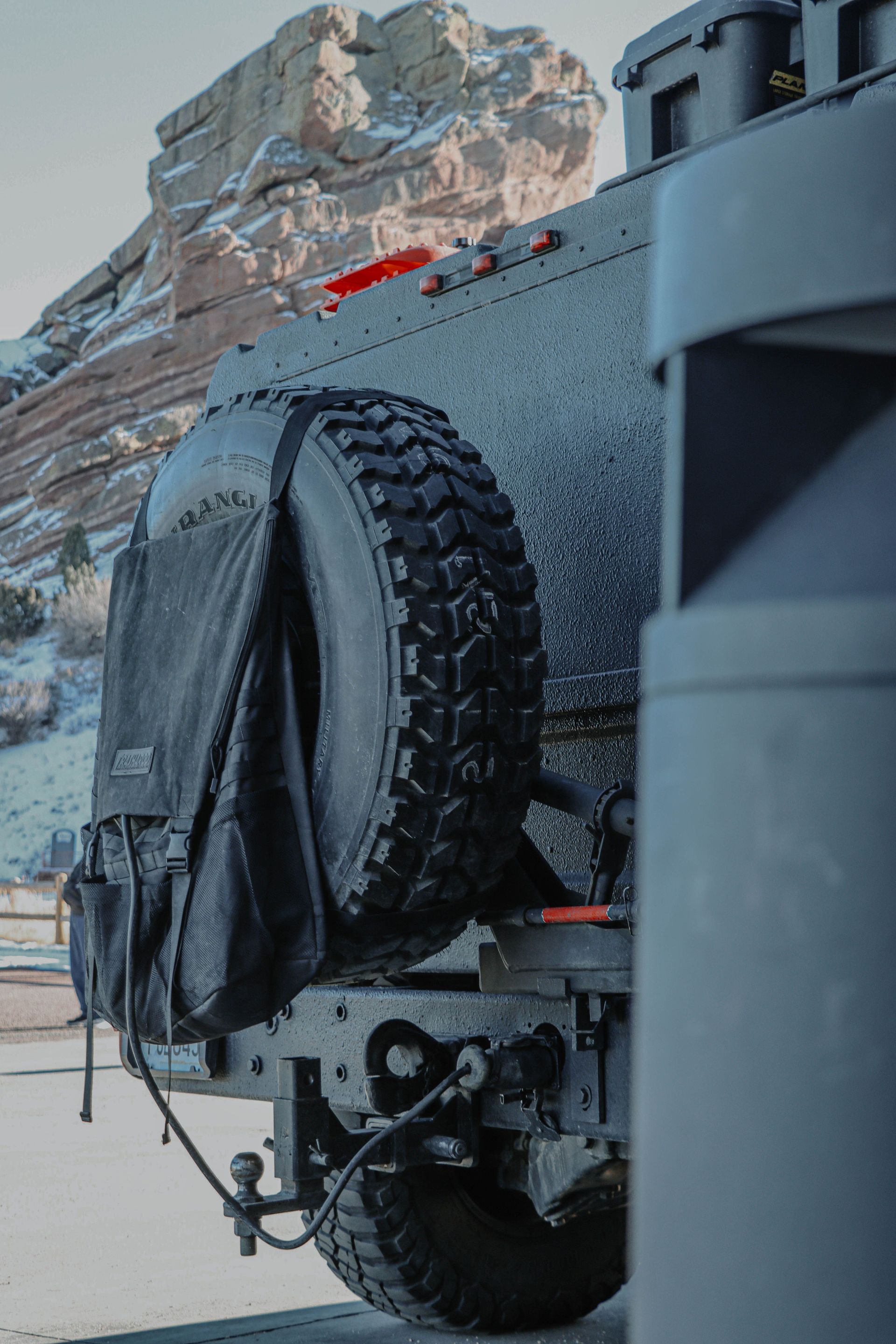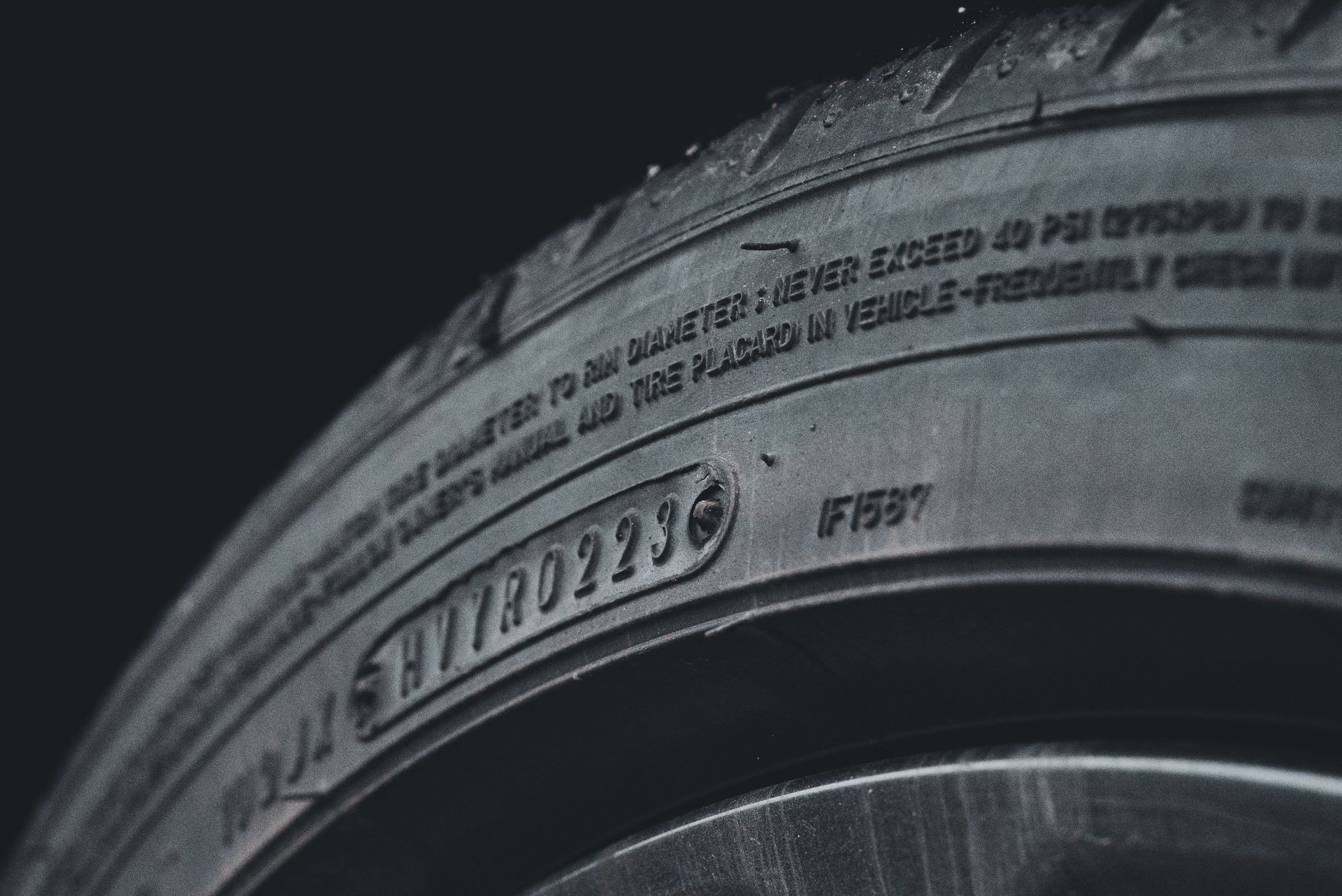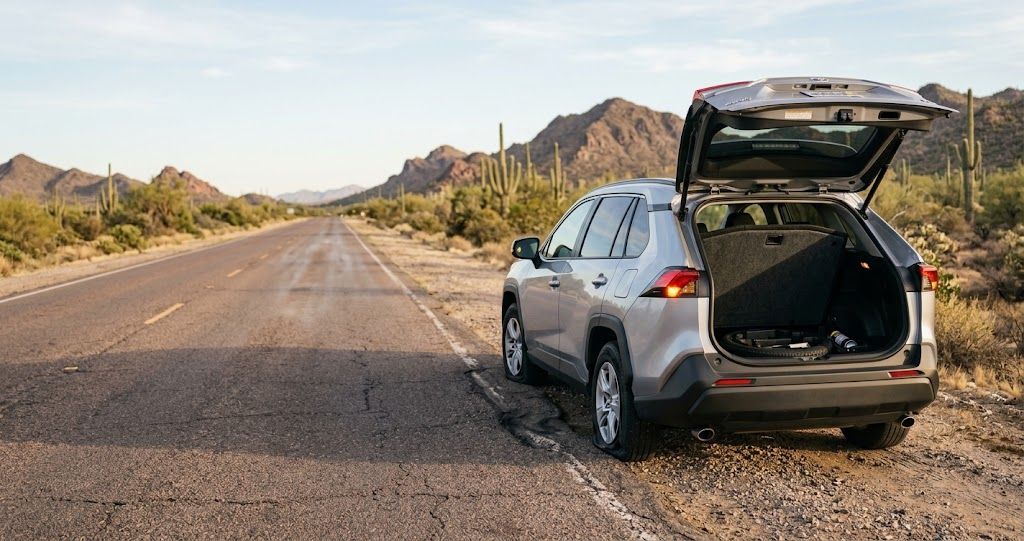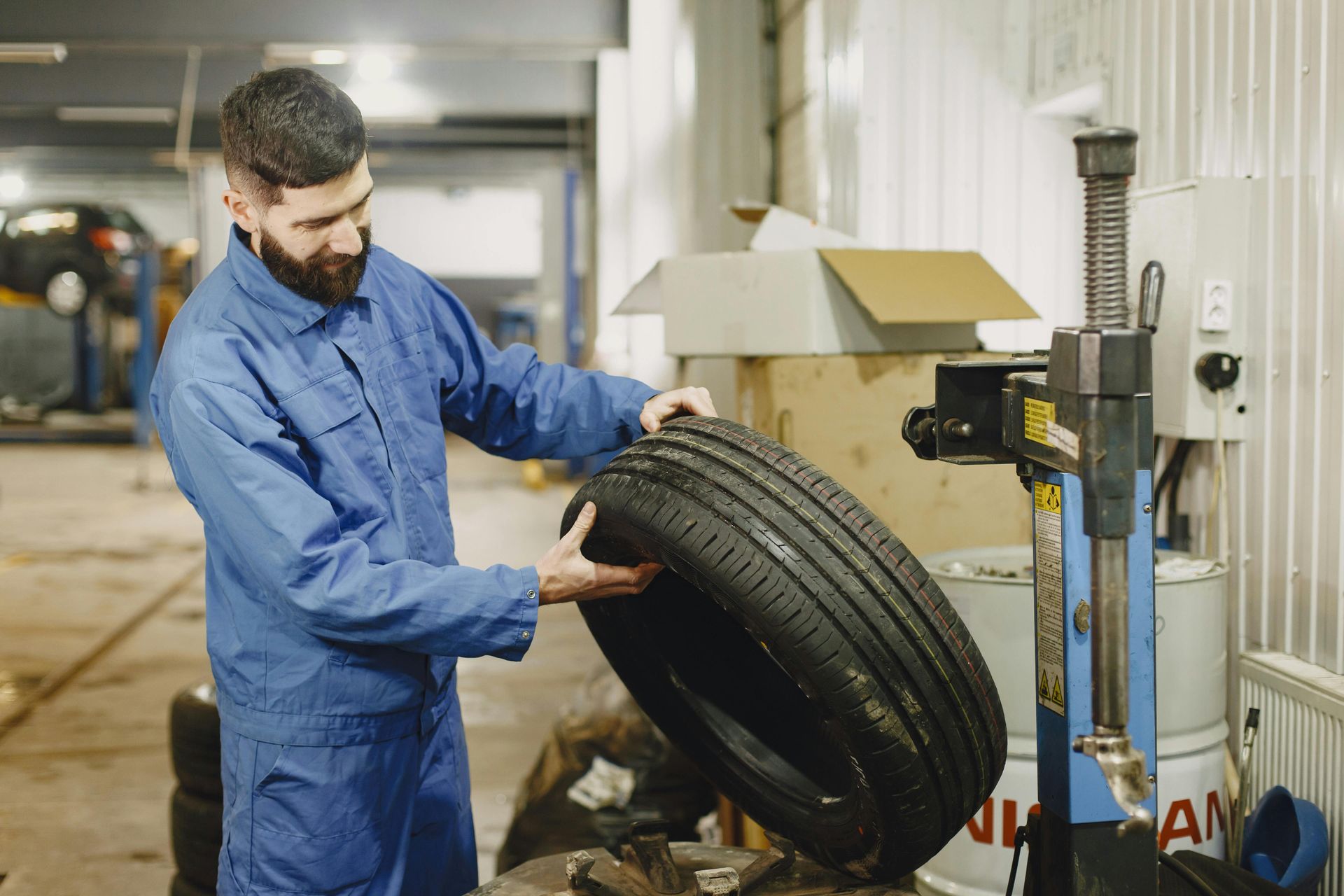


The United States has over 12 million RVs, campers, and motorhomes. This shows a huge need for top-notch RV tires. These big vehicles need tires that keep them stable, handle well, and work well in all kinds of weather.
Choosing the right RV tires is more than just looking for durability. It's about finding tires that fit your travel plans and RV type.
Key Takeaways
- The U.S. has over 12 million RVs on the road.
- High-quality RV tires are essential for safety and prolonged use.
- RVs require tires that provide stability and excellent handling.
- Tire selection should align with specific RV and travel requirements.
- Understanding tire specifications is key for the best performance.
Understanding Different Types of RV Tires
It's important to know about the different RV tires available. Each type is made for specific needs, ensuring safety and good performance on the road.
Light Truck (LT) Tires
Light Truck (LT) Tires are great for smaller RVs. They give better handling and a smoother ride than other tires. They're durable and have strong road grip, perfect for vehicles towed by cars.
Special Trailer (ST) Tires
Special Trailer (ST) Tires are made for trailers. They have strong sidewalls to prevent swaying and carry more weight. But, they should only be on trailers, not the driving axles of motorhomes.
Commercial Truck Tires
Commercial Truck Tires are for bigger Class A motorhomes. They're built for long trips and heavy loads, costing more but lasting longer. Their strong design is perfect for big RVs, making trips reliable.
What You Need to Know Before Shopping for RV Tires
Before buying RV tires, it's key to think about a few important things. These factors affect how well your tires perform and how safe you are on the road. Knowing these details makes every trip better and less stressful.
Load Rating
The load rating of a tire is very important. You should pick tires that can carry more than your RV's usual weight. This choice keeps you safe and makes your tires last longer. Tires that are too heavy can blow out and make it hard to control your RV.
Tread Design and Speed Rating
Tread design affects how well your tires grip the road and how much noise they make. You need to choose a pattern that fits where you usually drive. The speed rating must match the fastest speed you'll go. If they don't match, your tires will wear out faster and be less safe.
Seasonal Considerations
Seasonal considerations are also important. If you drive in different weather, you should get all-season or winter tires. These tires are safer and work better in different weather, making your trips smoother no matter the season.
Conclusion
Choosing the right RV tires is key to a great travel experience. RVs are both vehicles and homes on wheels. So, picking the right tires is very important for safety and comfort.
There are different types of tires for RVs, like Light Truck (LT), Special Trailer (ST), and Commercial Truck Tires. Each type has its own features, like load ratings and tread designs. Knowing this helps you make a better choice.
Always talk to tire experts and look for reputable brands. The right tires make your RV safe and comfortable. Whether you're going on a short trip or a long adventure, the right tires are essential.
Need tire repair services or an inspection in the Phoenix Metro?
Call Lug Wrench Heroes at
602.932.0818 today for
professional mobile tire services, repair, and replacement in Phoenix, AZ.