What do I do if I have a flat tire and no spare?

March 21, 2025

TJ Loftus

Driving down the highway and suddenly, you feel a jolt and hear a thump-thump-thump. You pull over, expecting to find a spare, but it's not there. Panic sets in, but don't worry. You're not alone.


About 30% of new cars sold in the last four years don't come with a spare tire. This is because makers want to save fuel by making cars lighter. So, what do you do if you have a flat tire and no spare?


Every driver should be ready for a flat tire emergency. You can use tire repair kits or run-flat tires. Gene Petersen from Consumer Reports says cars without spares are lighter, which helps with fuel efficiency. Carrying alternatives is now a must.


Key Takeaways

  • Around 30% of new cars in the last four years do not include a spare tire as a standard feature.
  • Run-flat tires can travel about 50 miles after a puncture at reduced speeds.
  • A tire repair kit costs between $10 to $30, making it a cost-effective alternative.
  • Excluding a spare tire can improve vehicle fuel efficiency by approximately 1-2%.
  • Only 10% of drivers change their own flat tires, while most rely on roadside assistance.
  • The likelihood of experiencing a flat tire is about 5% annually for drivers.


Using a Tire Repair Kit

Tire repair kits are great for fixing flat tires when you don't have a spare. About 30% of drivers get a flat tire at some point. And nearly 40% of newer cars don't come with a spare. So, a repair kit can really help with unexpected tire problems.


What is a Tire Repair Kit?

A tire repair kit has a sealant and an air compressor. The sealant fixes small punctures, and the compressor fills the tire back up. These kits are quick and easy to use for minor tire issues. But, they're not for big punctures or damage to the sidewall, as Gene Petersen from Consumer Reports notes.


How to Use a Tire Repair Kit

Using a tire repair kit is easy. Just follow these steps:

  1. Find the puncture and clean it.
  2. Put the sealant into the puncture with the kit's tools.
  3. Use the air compressor to fill the tire to the right pressure.


This method gives you a temporary fix to get you moving again. It's also a good way to avoid waiting for roadside help. Plus, these kits are cheaper than many spare tires, costing between $20 and $50.


But, about 60% of drivers don't have a tire repair kit in their car. And, the chance of getting a flat tire goes up by 10% in the summer. This is because hot weather can make tire pressure drop.


In short, a tire repair kit is a fast and simple way to fix flat tires. It lets drivers deal with small issues and get back on the road without needing roadside help.


Run-Flat Tires

Run-flat tires are a smart solution for flat tires. They let cars keep moving even after a puncture. Luxury brands like Mercedes-Benz, BMW, and Cadillac often use them. About 15% of new cars in the U.S. have them, says the National Highway Traffic Safety Administration (NHTSA).


Benefits of Run-Flat Tires

Run-flat tires are great because they support the car's weight and keep it stable for up to 50 miles at 50 mph after a puncture. This makes driving safer by letting you get to a safe spot without stopping. They also have thicker walls, making them more durable and improving steering.


Another plus is that they don't need spare tires or tools, which makes the car lighter. This improves fuel efficiency and gives more room for cargo. It's a smart move by car makers to make cars better and safer.


Considerations for Run-Flat Tires

But, there are downsides. Run-flat tires cost more than regular ones. They also ride harder and wear out faster. Some need to be replaced entirely if damaged, not just fixed.

It's important to check air pressure often with these tires. Their strong design makes it hard to tell if they're low. Without a spare or tools, a bad tire could leave you stranded, needing a new tire fast.


In short, run-flat tires are a good choice for safety and convenience. But, think about the cost, upkeep, and how you drive. The right choice keeps your car running well and safely.


What do I do if I have a flat tire and no spare?

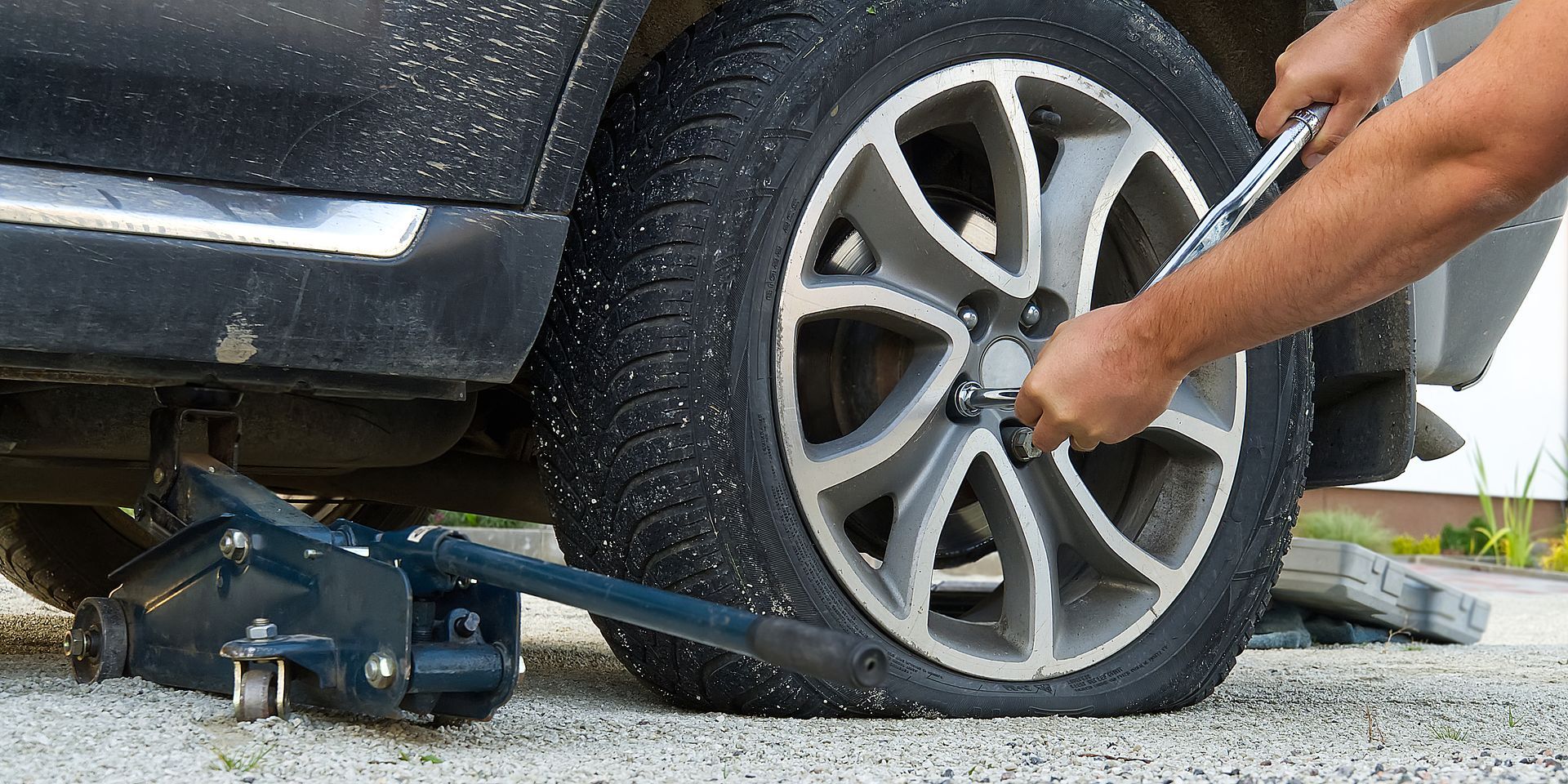
Drivers often feel stuck when they get a flat tire and no spare. Knowing what to do is key. If your car has a tire repair kit, you can try to fix it temporarily. But, these kits are rare, found in only about 15% of U.S. cars, and might not work for big damages.


If you can't fix it yourself or the kit doesn't work, call for roadside help. Local heroes like Lug Wrench Heroes of Phoenix can help. Flat tires are a big problem, making up about 30% of all service calls.


Some might think about driving on the flat tire, but it's risky. It can damage your car a lot, possibly costing up to 50% more to fix. Always think about safety and how well your car can move. Roadside help usually takes about 30 minutes to arrive. The cost of a tow for a flat tire can be between $75 to $125, based on how far and where you are.


When wondering what to do with a flat tire and no spare, remember that about 30 percent of new cars don't come with a spare. This means more people rely on roadside services or temporary kits. About 40% of drivers prefer to call for help instead of changing the tire themselves, showing a clear preference for professional assistance.


Regular tire care can make your tires last longer, by up to 20%. Most flat tires come from punctures or blowouts because of wrong tire pressure. Keeping your tires in good shape and checking the pressure can help avoid many flat tires.


Conclusion

A flat tire without a spare can be a big hassle and even dangerous. But, knowing what to do and being prepared can make it easier. Using run-flat tires or a tire repair kit can help you stay safe and manage the situation better.


About 75% of drivers don't have a spare tire. This shows how important it is to have other options ready. Regular tire checks and carrying a portable air compressor can also help prevent and fix small issues.


Tire repair kits are great for small punctures. Many cars now come with these kits as standard. This change shows how much the industry values them for car tire repair.

Knowing the pros and cons of your chosen solution is key in emergencies. Flat tires are a common reason for roadside calls, with over 33 million each year.


Being ready and informed can save you time and money. A simple tire repair might cost $10 to $30, while a full replacement can be up to $200. Regular maintenance and the right tools can cut down flat tire chances by up to 50%. With these steps, drivers can handle flat tires confidently, even without a spare.
car in field
By TJ Loftus December 5, 2025
Ever thought about how long a patched tire can last before it's dangerous? Many drivers worry about this. A quick fix might seem good, but it's vital to think about safety and performance.
mercedes
By TJ Loftus November 21, 2025
What if the secret to a quieter cabin, sharper steering, and shorter stops is not the car at all—but the rubber it rides on?
tires
By TJ Loftus November 7, 2025
What if the “right tire” isn’t the priciest brand, but the one that matches how and where they drive—down to speed rating, climate, and daily routine?
atv tire in sand
By TJ Loftus October 21, 2025
Are you curious about how long your ATV's tires will last? The life of ATV tires is a big deal for many riders in Phoenix, AZ.
trailer in open area
By TJ Loftus October 10, 2025
Are you using the right tires for your trailer? The type of tires you need depends on your trailer's kind. It's important to pick the right tires for your safety.
By TJ Loftus September 16, 2025
Getting a flat tire can be really stressful, even more so when it happens far from home. Whether you're driving on the highway or parked in a distant lot, a flat tire can leave you feeling stranded. You might not know what to do next. Knowing how to handle a flat tire is key for your safety and getting back on the road fast. This article will give you important tips and safety measures for dealing with a flat tire. It will help you handle this common roadside problem. Being ready with the right knowledge and tools can make a big difference. It can help you get back to your journey with little disruption. Key Takeaways Understand the basics of flat tire assistance and how to access it. Learn essential tire changing tips for a safe and successful experience. Discover the importance of flat tire safety precautions to prevent further issues. Find out how to prepare for a flat tire before it happens. Know what to do after changing a flat tire to ensure your vehicle is safe to drive. Safety First: Immediate Steps When You Have a Flat Tire When you find out you have a flat tire, your first step is to stay safe. If you're driving, act calmly and follow the right steps to avoid danger. Don't slam on the brakes It's natural to want to stop fast when you get a flat tire. But slamming on the brakes can make your car skid or lose control. This could lead to an accident. So, instead, slow down by easing off the gas pedal and keep a firm hold on the steering wheel. Let off the gas and keep the wheel steady. Turn on your hazard lights to alert other drivers. Steer your vehicle to a safe location, away from traffic. Avoid driving far on a flat tire to prevent further damage. If you're stuck with a flat tire, getting roadside help is a big relief. Many services are ready to help you get back on the road safely and quickly. What to do if you have a flat tire away from home? When a flat tire happens far from home, having a plan can make things better. First, make sure you're safe. If you see a flat tire while parked, look at the tire for damage. Check the sidewalls, tread, and for any objects that might have caused it. Contact a local mobile tire repair service if it is available. Expert services are key in preventing further damage and fixing your tire. Inspecting the Tire and Initial Actions Looking at the tire helps you decide what to do next. If it's too damaged, use a spare tire or call for help. Check if you have a spare tire and if it's in good shape. Think about using a tire inflator if the tire is not flat. If you're not sure about changing the tire, call for roadside help. A flat tire emergency kit in your car is very useful. It should have a spare tire, tire levers, and a car jack. Using a Spare Tire or Tire Inflator If you choose to use a spare tire, follow your car's instructions. Make sure you're in a safe spot, away from cars. A tire inflator can help if the tire is not flat. But remember, it's only a temporary fix. You should get the tire fixed or replaced soon. Following the flat tire repair steps carefully keeps you safe. If you're not sure about anything, get professional help. Being ready and knowing what to do makes handling a flat tire away from home easier. Conclusion: Being Prepared for Future Flat Tire Emergencies Being ready is essential for dealing with a flat tire safely and quickly . Make sure you have a spare tire, jack, lug wrench, tire inflator, flashlight, and reflective triangles in your car. These items can greatly help when you get a flat tire. Having a flat tire emergency kit in your car means you're set for repairs and changes. It's also important to know how to stay safe when you can't get help right away. If you get a flat tire, staying calm and following the right steps is key. With the right preparation and knowledge, you can quickly fix the issue and get moving again. Contact LugWrench Heroes today for professional tire services and inspections in the Phoenix area!
By TJ Loftus September 11, 2025
Buying new tires can be a complex process. It's essential to ask the right questions. This ensures you get the best tires for your car. With so many options available, it's easy to feel overwhelmed. Knowing what to inquire about helps you make an informed decision. You can then drive away with the best tires for your vehicle. Key Takeaways Understand your vehicle's tire requirements Research different tire brands and models Check the tire's tread depth and warranty Consider the tire's performance in various weather conditions Ask about installation and balancing services Essential Tire Selection Questions Getting new tires begins with checking your current ones. You need to find out what you're looking for in a new tire set . Checking Tread Depth First, look at your tires for tread depth and wear signs. To check tread depth, use the penny test. Place a penny in the tire groove with Lincoln's head down. If you see his head, your tread is too low and it's time for new tires. Knowing your vehicle's tire size is also key. The size is on the sidewall and helps pick the right tires. When picking new tires, consider these factors: Tire type (all-season, winter, performance) Tread pattern and depth Load-carrying capacity Speed rating Different tires are made for different conditions. Winter tires are for snow and ice, while all-season tires are for general use. What to Ask for When Getting New Tires? Purchase and Installation Considerations When buying new tires, several factors are important. The right tires can make your car safer, more fuel-efficient, and better to drive. It's key to ask the right questions when buying tires. This ensures they fit your car and driving style well. Here are some important things to consider: Understanding the different types of tires available, such as all-season, high-performance, or off-road tires. Knowing the correct tire size for your vehicle, as specified in your owner's manual or on the tire information placard on the driver's side doorjamb. Inquiring about tire warranty information and what it covers. Considering Your Driving Habits Your driving habits affect the right tires for your car. For example, if you drive in harsh weather, you might need special tires. If you drive mostly on highways, you might prioritize tires with good fuel efficiency and low noise levels. For those who frequently drive off-road or in rugged conditions, tires with enhanced durability and traction are advisable. Understanding your typical driving conditions will help you ask the right questions when purchasing new tires. It's also important to ask about the tire installation process. Proper installation ensures your tires work well and last long. Ask about the tire pressure recommendations and how often to check it. By considering these factors and asking the right questions, you can find the perfect tires. They will make your driving safe, comfortable, and enjoyable. Maintenance Questions for Long-Term Tire Performance Keeping your tires in good shape is essential for their longevity. It's all about asking the right questions. Regular care not only makes your tires last longer but also boosts your car's performance and safety. Checking Tire Pressure Checking tire pressure is a must. It affects fuel efficiency, handling, and safety. Here are some important tips: Check tire pressure at least once a month, and before long trips. Use a reliable tire pressure gauge. Refer to your vehicle's owner's manual for the recommended tire pressure. Tire rotation is also key. It helps wear out your tires evenly, making them last longer. Here's what to ask about tire rotation: Ask about the recommended tire rotation schedule for your vehicle. Understand the different tire rotation patterns (e.g., rearward cross, side-to-side). Find out if your tire rotation includes balancing. Tire balancing is vital. Unbalanced tires can cause uneven wear, vibrations, and poor fuel efficiency. Here are some questions to ask: What is the cost of tire balancing? How often should tires be balanced? Are there any signs that indicate my tires need balancing (e.g., vibrations while driving)? Lastly, asking about top tire brands can help you choose the right ones. Michelin, Goodyear, and Continental are known for quality and durability. Here's what to consider when asking about tire brands: The specific needs of your vehicle (e.g., all-season, off-road). The warranty and support offered by the manufacturer. Reviews and ratings from other customers. Conclusion Asking the right questions when buying new tires is key. It ensures your vehicle gets the best fit and keeps tires in top shape. Think about tire type, size, and tread pattern to boost your car's performance and safety. When you get new tires, ask about the right tire pressure, rotation, and balancing. This knowledge helps your tires last longer. Knowing what to ask can lead to better decisions and fewer problems later. Being informed and asking the right questions leads to a better driving experience. You'll enjoy a smoother ride, better fuel efficiency, and more. Whether you're an experienced driver or new, knowing what to ask is essential for your vehicle's tires. Contact LugWrench Heroes today for professional tire services and inspections in the Phoenix area!
By lugwrenchheroes August 22, 2025
Regular tire checks are key to keeping your vehicle safe and running well. If you ignore tire care, you might face problems like less grip, a higher chance of tire blowouts, and poor car handling. Tires are a vital part of your car, and their state affects your safety. By checking the air pressure, tread depth, and looking for damage, you can spot issues early. This helps avoid big problems later on. Key Takeaways Regular tire inspections are vital for vehicle safety. Tire inspections should be done once a month. Checks should be performed before long road trips. Tire pressure, tread wear, and signs of damage or wear should be monitored. Neglecting tire maintenance can lead to reduced traction and increased risk of tire failure. When Should a Tire Inspection Be Done? To keep your tires in top shape, knowing when to check them is key. Regular checks are vital for safe driving and avoiding accidents. Monthly Checks and Pre-Trip Inspections Experts say to check your tires monthly and before long trips. These checks spot issues early, like underinflation and uneven wear. Monthly, checking tire pressure is a must. The right pressure keeps your tires safe and efficient. Underinflated tires wear out faster and can fail. Also, check the tread depth. It should be above the minimum level. Check tire pressure when tires are cold. Use a tread depth gauge or the penny test to assess tread wear. Look for signs of damage, such as cracks, bulges, or uneven wear. Before long trips, do a detailed check. Look for wear, damage, and ensure the pressure is right. Good tire care boosts safety and performance. Regular inspections lower the risk of tire problems. It's part of caring for your vehicle. Knowing when to check your tires and sticking to a schedule is important. It keeps your vehicle safe and running well. It's all about being proactive. Critical Signs That Indicate Immediate Tire Inspection Knowing when to check your tires is key for your safety and car's performance. Tires are essential for your car's safety and how well it runs. Look for these signs to check your tire condition: Uneven tread wear, which can signal improper tire inflation or alignment issues. Cuts, scrapes, or punctures that can compromise the tire's integrity. Bulges or bumps on the tire surface, indicating possible weak spots. Cracks in the tire sidewall or tread, which can lead to tire failure. Use tread depth gauges to measure tread wear. Also, check for damage or wear with your eyes. These signs tell you when to check your tires. Implications of Neglecting Tire Inspection Ignoring these signs can lead to big problems. You might lose traction, have longer stops, and risk a tire blowout. Regular checks can stop these issues and keep your car safe. To keep your tires in top shape, check pressure often. Rotate tires as the maker suggests. Also, watch for damage or uneven wear. Knowing when to check your tires helps avoid dangers and keeps your car running well. Conclusion Regular tire checks are key for keeping vehicles safe and running well. Following the recommended inspection times helps spot problems early. This way, tires stay in top shape, cutting down on accident risks and extending their life. For those who care about road safety, tire upkeep is a must. Regular checks can catch wear and tear signs early. This makes driving safer and more enjoyable. Sticking to the right tire check schedule greatly improves vehicle safety and performance. It's important to check the car's manual for specific guidelines. This ensures tires stay in good condition. Contact LugWrench Heroes today for professional tire services and inspections in the Phoenix area!
tire repair phoenix
By TJ Loftus August 8, 2025
Need a flat tire changed at home in Phoenix? Learn how mobile tire services work, costs, and the fastest way to get a professional to your driveway.
By lugwrenchheroes July 29, 2025
Check out this comparision of Michelin Pilot Sport Tires vs Cup 2 Tires