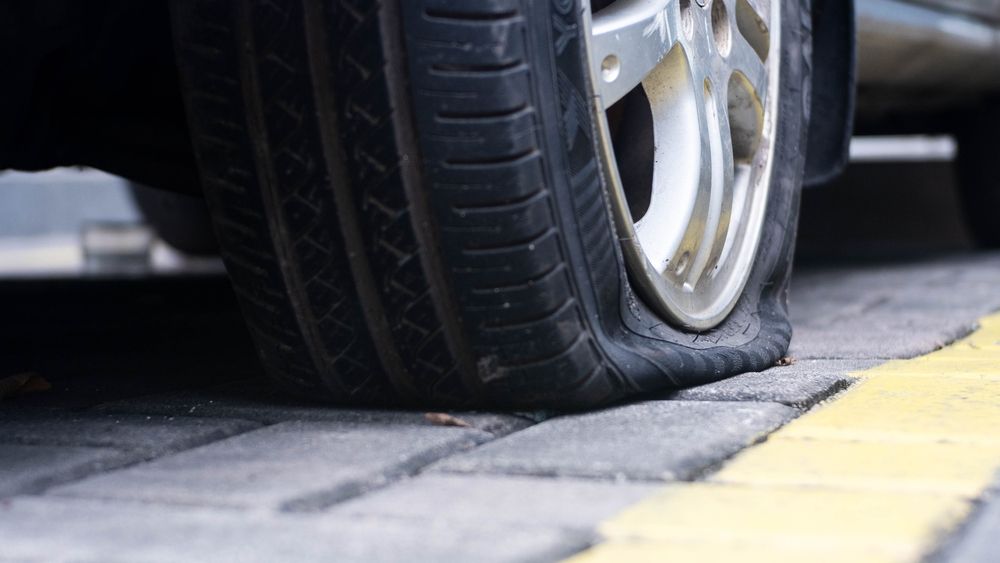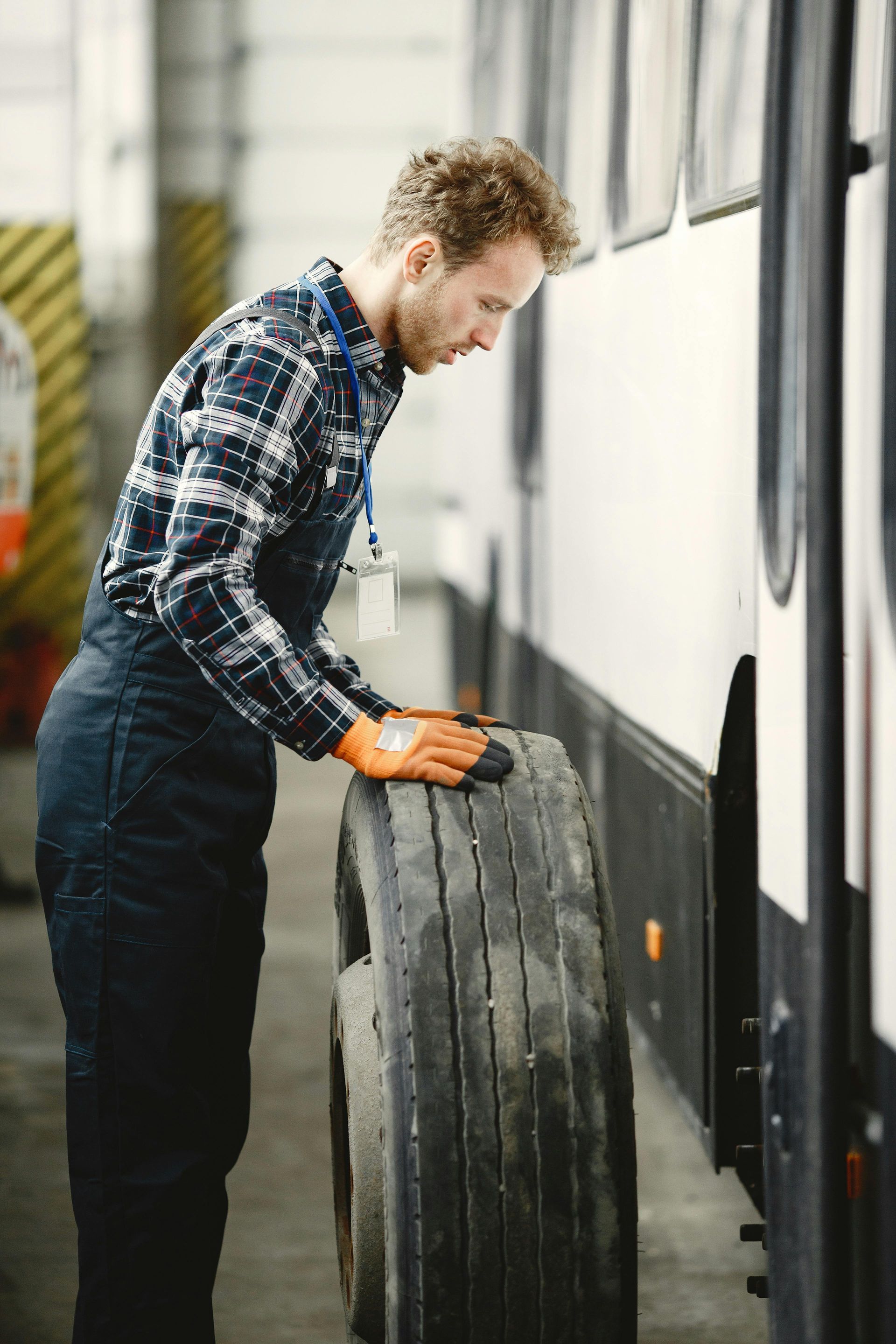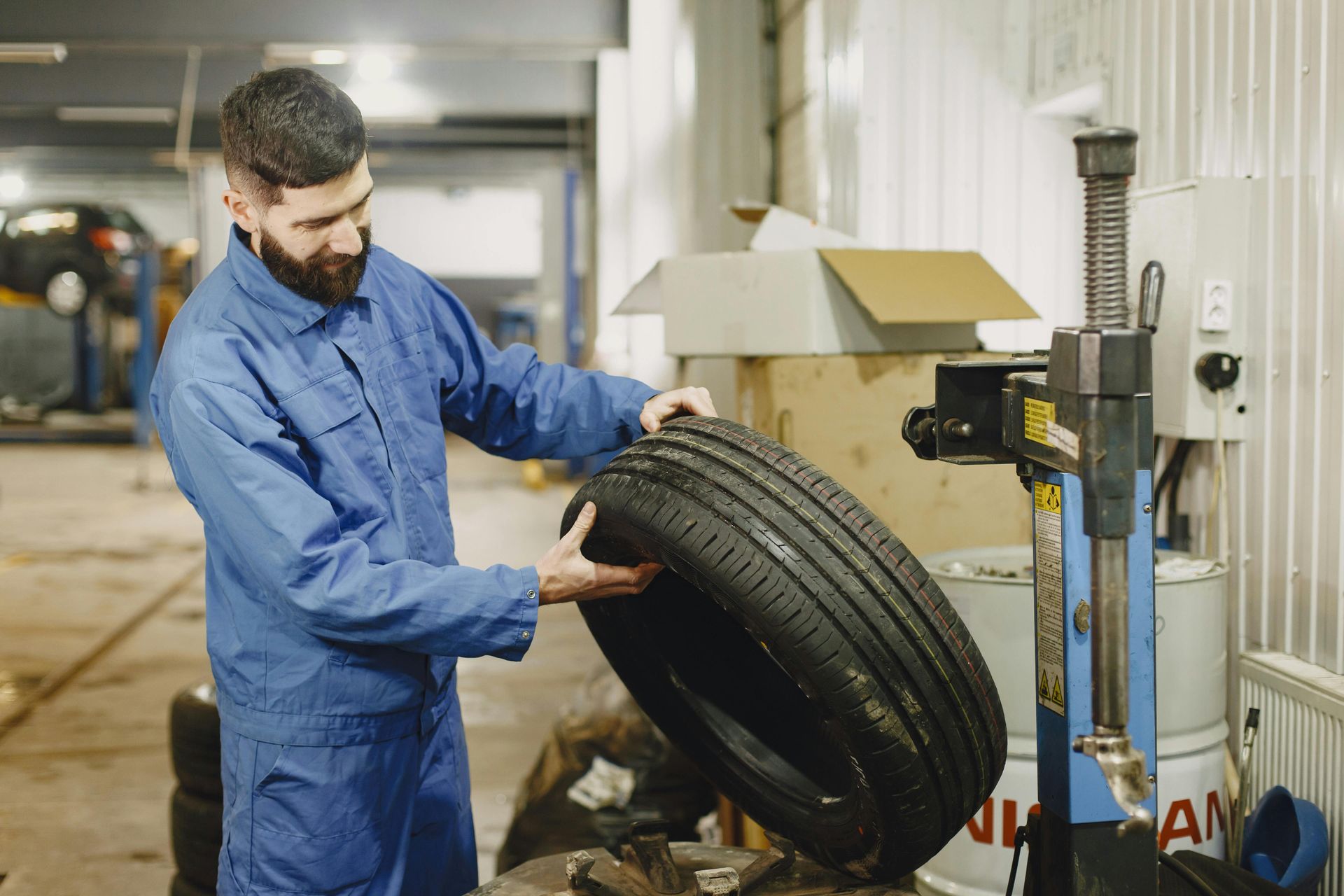


Driving down the highway and suddenly, you feel a jolt and hear a thump-thump-thump. You pull over, expecting to find a spare, but it's not there. Panic sets in, but don't worry. You're not alone.
About 30% of new cars sold in the last four years don't come with a spare tire. This is because makers want to save fuel by making cars lighter. So, what do you do if you have a flat tire and no spare?
Every driver should be ready for a flat tire emergency. You can use tire repair kits or run-flat tires. Gene Petersen from Consumer Reports says cars without spares are lighter, which helps with fuel efficiency. Carrying alternatives is now a must.
Key Takeaways
- Around 30% of new cars in the last four years do not include a spare tire as a standard feature.
- Run-flat tires can travel about 50 miles after a puncture at reduced speeds.
- A tire repair kit costs between $10 to $30, making it a cost-effective alternative.
- Excluding a spare tire can improve vehicle fuel efficiency by approximately 1-2%.
- Only 10% of drivers change their own flat tires, while most rely on roadside assistance.
- The likelihood of experiencing a flat tire is about 5% annually for drivers.
Using a Tire Repair Kit
Tire repair kits are great for fixing flat tires when you don't have a spare. About 30% of drivers get a flat tire at some point. And nearly 40% of newer cars don't come with a spare. So, a repair kit can really help with unexpected tire problems.
What is a Tire Repair Kit?
A tire repair kit has a sealant and an air compressor. The sealant fixes small punctures, and the compressor fills the tire back up. These kits are quick and easy to use for minor tire issues. But, they're not for big punctures or damage to the sidewall, as Gene Petersen from Consumer Reports notes.
How to Use a Tire Repair Kit
Using a tire repair kit is easy. Just follow these steps:
- Find the puncture and clean it.
- Put the sealant into the puncture with the kit's tools.
- Use the air compressor to fill the tire to the right pressure.
This method gives you a temporary fix to get you moving again. It's also a good way to avoid waiting for roadside help. Plus, these kits are cheaper than many spare tires, costing between $20 and $50.
But, about 60% of drivers don't have a tire repair kit in their car. And, the chance of getting a flat tire goes up by 10% in the summer. This is because hot weather can make tire pressure drop.
In short, a tire repair kit is a fast and simple way to fix flat tires. It lets drivers deal with small issues and get back on the road without needing roadside help.
Run-Flat Tires
Run-flat tires are a smart solution for flat tires. They let cars keep moving even after a puncture. Luxury brands like Mercedes-Benz, BMW, and Cadillac often use them. About 15% of new cars in the U.S. have them, says the National Highway Traffic Safety Administration (NHTSA).
Benefits of Run-Flat Tires
Run-flat tires are great because they support the car's weight and keep it stable for up to 50 miles at 50 mph after a puncture. This makes driving safer by letting you get to a safe spot without stopping. They also have thicker walls, making them more durable and improving steering.
Another plus is that they don't need spare tires or tools, which makes the car lighter. This improves fuel efficiency and gives more room for cargo. It's a smart move by car makers to make cars better and safer.
Considerations for Run-Flat Tires
But, there are downsides. Run-flat tires cost more than regular ones. They also ride harder and wear out faster. Some need to be replaced entirely if damaged, not just fixed.
It's important to check air pressure often with these tires. Their strong design makes it hard to tell if they're low. Without a spare or tools, a bad tire could leave you stranded, needing a new tire fast.
In short, run-flat tires are a good choice for safety and convenience. But, think about the cost, upkeep, and how you drive. The right choice keeps your car running well and safely.
What do I do if I have a flat tire and no spare?
Drivers often feel stuck when they get a flat tire and no spare. Knowing what to do is key. If your car has a tire repair kit, you can try to fix it temporarily. But, these kits are rare, found in only about 15% of U.S. cars, and might not work for big damages.
If you can't fix it yourself or the kit doesn't work, call for roadside help. Local heroes like Lug Wrench Heroes of Phoenix can help. Flat tires are a big problem, making up about 30% of all service calls.
Some might think about driving on the flat tire, but it's risky. It can damage your car a lot, possibly costing up to 50% more to fix. Always think about safety and how well your car can move. Roadside help usually takes about 30 minutes to arrive. The cost of a tow for a flat tire can be between $75 to $125, based on how far and where you are.
When wondering what to do with a flat tire and no spare, remember that about 30 percent of new cars don't come with a spare. This means more people rely on roadside services or temporary kits. About 40% of drivers prefer to call for help instead of changing the tire themselves, showing a clear preference for professional assistance.
Regular tire care can make your tires last longer, by up to 20%. Most flat tires come from punctures or blowouts because of wrong tire pressure. Keeping your tires in good shape and checking the pressure can help avoid many flat tires.
Conclusion
A flat tire without a spare can be a big hassle and even dangerous. But, knowing what to do and being prepared can make it easier. Using run-flat tires or a tire repair kit can help you stay safe and manage the situation better.
About 75% of drivers don't have a spare tire. This shows how important it is to have other options ready. Regular tire checks and carrying a portable air compressor can also help prevent and fix small issues.
Tire repair kits are great for small punctures. Many cars now come with these kits as standard. This change shows how much the industry values them for car tire repair.
Knowing the pros and cons of your chosen solution is key in emergencies. Flat tires are a common reason for roadside calls, with over 33 million each year.
Being ready and informed can save you time and money. A simple tire repair might cost $10 to $30, while a full replacement can be up to $200. Regular maintenance and the right tools can cut down flat tire chances by up to 50%. With these steps, drivers can handle flat tires confidently, even without a spare.