

- BBB A+ Accredited
- 20+ Years in Tires
- 45-Day Ride Guarantee
- Mobile Across the Valley Since 2020
- Updated July 9, 2026
Tire dry rot is cracking and rubber breakdown caused by heat, UV, and age — and Arizona accelerates all three. Phoenix typically sees more than 100 days at or above 100°F every year, with summer pavement surfaces climbing past 150°F, so tires here can show replacement-level cracking years before the same tire would in a milder climate. Here's how to spot dry rot, how to check your tire's real age, and when replacement is the only safe call.
Key Takeaways
- Dry rot cannot be repaired. Once the rubber is cracking, no patch, plug, or sealant restores its strength — replacement is the fix.
- Arizona sun and heat are the main accelerants. UV exposure, 100°F+ days, and vehicles that sit unused all speed up rubber breakdown.
- Check the DOT date code, not just the tread. Tires can dry rot with plenty of tread left, especially on RVs, trailers, and low-mileage vehicles.
- Don't drive a badly cracked tire across town. A mobile tire installation brings the new tires to your driveway instead.
What Is Tire Dry Rot?
Tire dry rot is the visible cracking, fading, and brittleness that develops as a tire's rubber compounds break down from age, heat, sunlight, and ozone exposure. Despite the name, nothing is actually rotting — it's chemical degradation, so it can't spread from one tire to another, but it also can't be reversed. You'll usually see it first as fine cracks along the sidewall or between the tread blocks, sometimes with the rubber fading from black to gray. Tire makers also call it sidewall weathering, weather checking, or ozone cracking. A dry-rotted tire loses the flexibility that lets it hold air and absorb road impacts, which is why it's a leading path to slow leaks and sudden blowouts — the NHTSA reported 622 deaths in tire-related crashes in 2021 alone.
Why Arizona Tires Dry Rot Faster
Arizona tires dry rot faster because the Valley combines the three biggest accelerants — intense UV, extreme heat, and long stretches of sitting — nearly year-round. Rubber ages through oxidation, and heat speeds that chemical reaction up; every summer month a tire spends baking on 150°F pavement or parked in direct Sonoran sun does outsized damage compared to a mild climate. The National Weather Service in Phoenix issues extended excessive-heat warnings most summers, and that same heat is working on your sidewalls.
Three Valley-specific patterns show up again and again on the tires we replace:
- Uncovered outdoor parking. Cars without garage or shade parking — common at apartment complexes and office lots — take constant UV on the same two sidewalls.
- Snowbird and second vehicles. Vehicles that sit from May through October age fast: the rubber isn't flexing, its protective waxes never redistribute, and the sun keeps working. If your car sits for months, read our guide on how long a car can sit before the tires go bad.
- Trailers, RVs, and toys. Trailer tires and RV tires often age out from sun exposure long before the tread wears out — dry rot, not mileage, is what usually kills them here.
The practical upshot: national guidance of a 6–10 year tire lifespan is the outer boundary, not a promise, and Arizona tires frequently need attention at the early end of that range. See how climate changes the math in how long tires should last in Phoenix.
How to Spot Dry Rot: 5 Warning Signs
You can spot dry rot in a two-minute walk-around — look for cracking, fading, brittleness, chronic pressure loss, and vibration. Check all four tires plus the spare, in good light, including the inner sidewalls if you can see them.
- Cracks on the sidewall. Fine, web-like cracking anywhere on the sidewall — even in one isolated patch — is the classic first sign.
- Cracks in or between the tread blocks. Cracking down in the tread grooves means the compound is failing where the tire does its work, and handling can suffer even with legal tread depth.
- Faded, gray, or chalky rubber. Healthy tires are deep black; dry rot bleaches them dull gray as the protective oils leach out.
- Brittle or flaky texture. If the rubber feels hard, or small pieces flake away when you rub it, the compound has lost its flexibility.
- A tire that won't hold pressure. If your TPMS light keeps returning and there's no puncture, micro-cracks may be letting air seep out.
Not sure what you're looking at? A mobile tire inspection puts a technician's eyes on all four tires and the spare at your home or office.
Check the DOT Date Code: How Old Are Your Tires, Really?
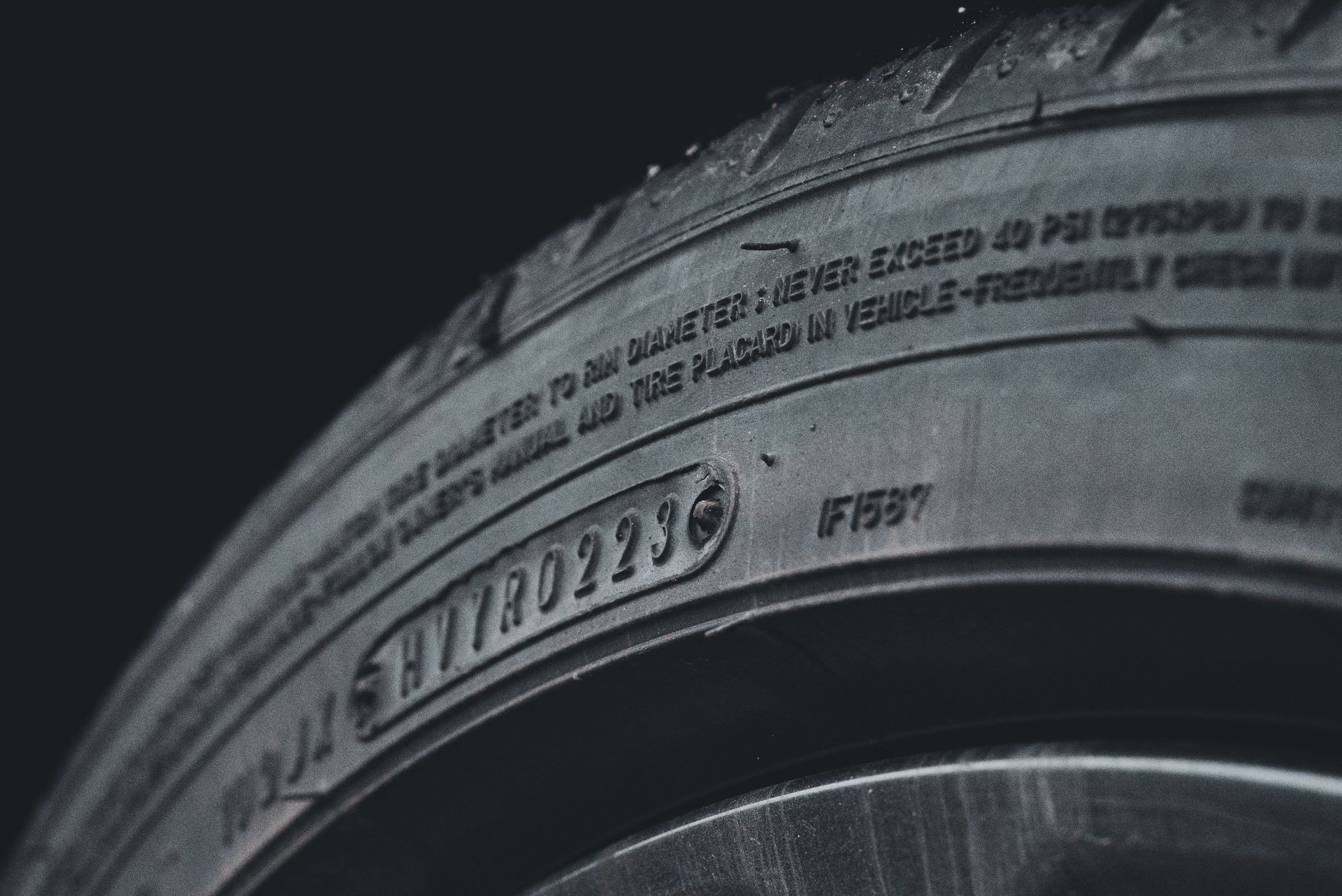
Every tire carries its birth date on the sidewall — the last four digits of the DOT code tell you the week and year it was built. Find the characters that begin with "DOT," then read the final four digits: the first two are the week, the last two are the year. A tire stamped 3523 was built in the 35th week of 2023. In Arizona, this number matters more than tread depth on low-mileage vehicles, because a tire can look barely used and still be seven Valley summers old. As a rule of thumb we give every customer: once a tire passes five years old here, inspect it closely every few months, and treat industry maximum-age guidance (10 years) as an absolute ceiling, not a target. If the date code faces the inside of the wheel, check the other side of the vehicle — tires are stamped on one sidewall.
Can Dry Rot Be Repaired?
No — dry rot cannot be repaired, sealed, or reversed, because the damage is in the rubber compound itself, not at a single puncture point. A patch or plug fixes one hole in otherwise healthy rubber; it can do nothing for a sidewall that is failing everywhere at once. Tire-shine products and "rejuvenator" sprays don't restore strength either — petroleum-based shines can actually pull more oils out of the rubber and make cracking worse. Cracked rubber falls in the same category as sidewall punctures and run-flat damage: structural, and off-limits for repair. Our breakdown of what tire damage cannot be repaired covers the full list.
Early vs. Advanced Dry Rot: When to Replace
Replace a dry-rotted tire when cracks are deep enough to catch a fingernail, appear in the tread, or come with fading and brittleness — surface-level hairline checking on a newer tire can be monitored. Use this table as your field guide:
| What you see | What it means | What to do |
|---|---|---|
| Faint surface hairlines on a tire under ~5 years old, black color intact | Early cosmetic weathering | Monitor monthly, keep pressure at spec, park in shade when possible |
| Cracks that catch a fingernail, spreading patches, gray fading | Compound breakdown underway | Professional inspection now — plan replacement soon |
| Cracking in the tread grooves, brittle or flaking rubber, chronic air loss | Structural integrity compromised | Replace before highway driving — blowout risk in summer heat |
| Any visible cord, deep splits, or chunks missing | Tire failure in progress | Do not drive on it — have new tires installed where the vehicle sits |
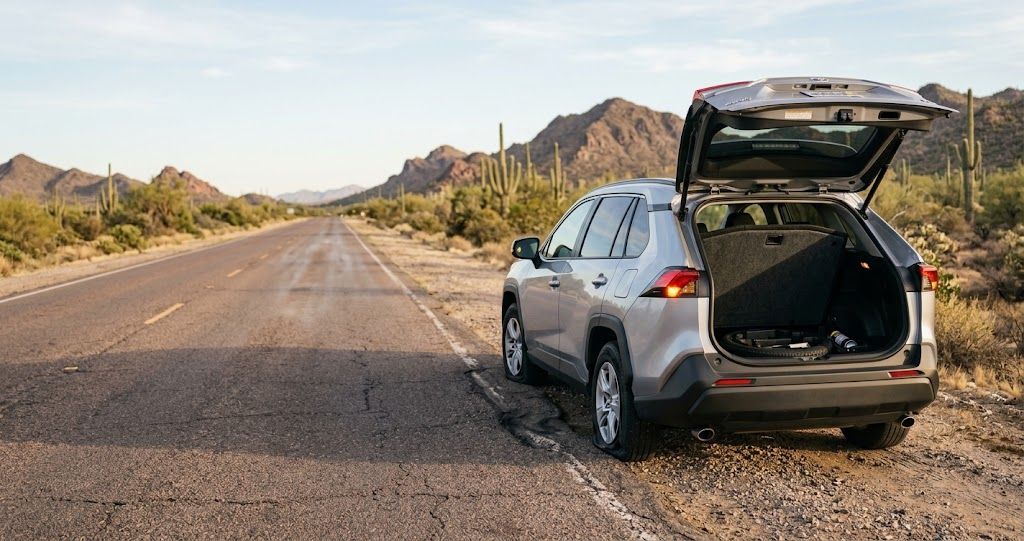
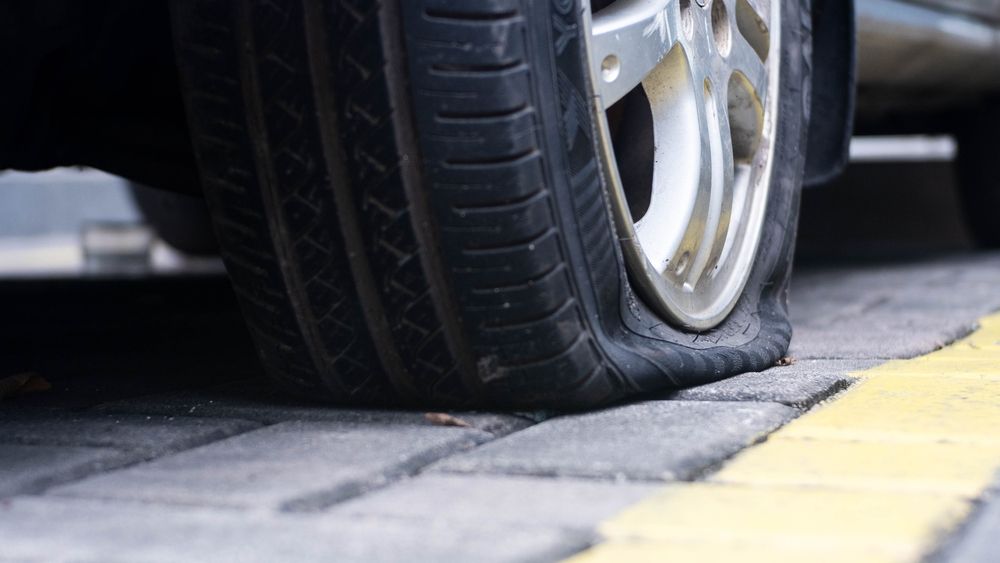
The mobile advantage: a badly cracked tire is exactly the tire you shouldn't drive across Phoenix on — especially on 110°F asphalt, where heat pushes weak rubber toward blowout. Because LugWrench Heroes is 100% mobile, the van comes to your driveway, office, or storage lot with your new tires, mounts them with touchless equipment that never contacts the wheel face, balances them on precision equipment in the van, resets your TPMS, and torques every lug to spec — backed by our 45-day ride guarantee. The vehicle never has to move on a compromised tire. More on when replacement makes sense in when to replace tires.
How to Slow Dry Rot in the Phoenix Heat
You can't stop rubber from aging, but you can take years of stress off your tires with a few habits suited to desert life:
- Park in shade or a garage whenever you can. Blocking direct UV is the single biggest thing a Valley driver controls.
- Keep pressure at the door-placard spec. Underinflation builds internal heat that cooks the rubber from the inside; check monthly and after big temperature swings.
- Drive vehicles that sit. A short monthly drive flexes the rubber and redistributes its protective compounds — critical for snowbird cars, RVs, and trailers parked May through October.
- Use covers on stored tires and trailers. UV-blocking tire covers are cheap insurance for anything parked outdoors long-term.
- Wash with mild soap and water only. Skip petroleum-based tire shines, which strip the oils that keep rubber flexible.
- Get eyes on them twice a year. A spring check before blowout season and a fall check before snowbird season catch problems early — a tire inspection takes minutes.
Frequently Asked Questions
What does dry rot look like on tires?
Dry rot looks like a web of small cracks on the sidewall or between the tread blocks, often with the rubber fading from black to dull gray. In advanced cases the rubber feels brittle, flakes when rubbed, and the cracks deepen enough to catch a fingernail or expose inner layers.
How long does it take for tires to dry rot in Arizona?
There's no fixed timeline, but Arizona sits at the fast end of the range. Industry guidance puts tire service life at roughly 6–10 years; with Phoenix-level UV and heat — over 100 days at 100°F+ each year — tires that live outdoors or sit unused can show replacement-level cracking well before the 10-year ceiling. Check the DOT date code and inspect closely once a tire passes five years old here.
Is it safe to drive on dry-rotted tires?
No. Cracked, brittle rubber can't reliably hold air or absorb impacts, and Phoenix summer pavement heat pushes weakened tires toward sudden blowout. If cracking is more than faint surface hairlines, have the tire professionally inspected — and if it's advanced, replace it where the vehicle sits rather than driving on it.
Should I replace all four tires if one has dry rot?
Usually, yes — dry rot comes from age and exposure, and all four tires (plus the spare) have lived the same life. If one shows real cracking, the others are typically close behind even if it's less visible. An inspection of all five tires tells you whether a full set or a partial replacement makes sense.
Can you put tire shine or sealant on dry rot to fix it?
No product restores strength to cracked rubber. Sealants only address air loss at a puncture point, and petroleum-based tire shines can accelerate dry rot by stripping the rubber's protective oils. Once structural cracking appears, replacement is the only safe fix.
Cracked, Faded, or Just Not Sure?
The tire store at your door — we inspect, mount touchless, balance, and torque to spec at your home or office anywhere in the Phoenix metro, backed by a 45-day ride guarantee.
Call or Text (602) 492-8495 Book Online