

Updated July 21, 2026
Most summer tire blowouts in Arizona come down to three things: low tire pressure, extreme heat, and old rubber. When Phoenix pavement runs 140–160°F, an underinflated or aging tire can build enough internal heat to fail at freeway speed. The good news: nearly every heat-season blowout is preventable, and if one does happen, a few calm moves keep you safe.
Key Takeaways
- Underinflation is the #1 cause. A soft tire flexes more, overheats, and comes apart — heat makes it worse.
- Arizona summer multiplies the risk. Pavement surface temps of 140–160°F and years of UV exposure age tires fast.
- Check pressure cold, to the door-jamb number. Don't lower pressure in summer — that's a common and dangerous myth.
- If it blows out, don't slam the brakes. Grip the wheel, ease off the gas, and steer straight before pulling over.
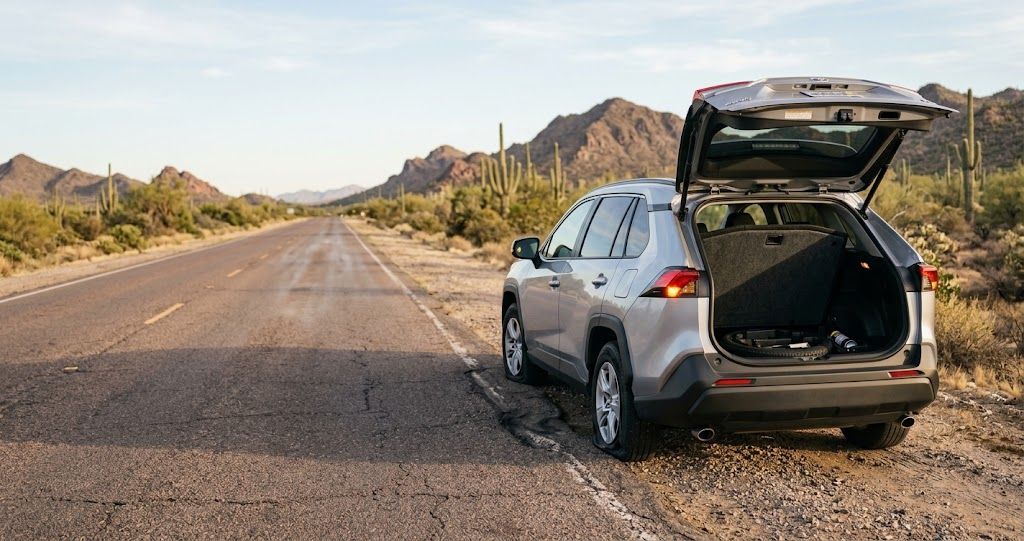
- Stranded in the Valley? A mobile tire replacement can come to you instead of a tow to a shop.
What Causes a Tire Blowout in Arizona's Heat?
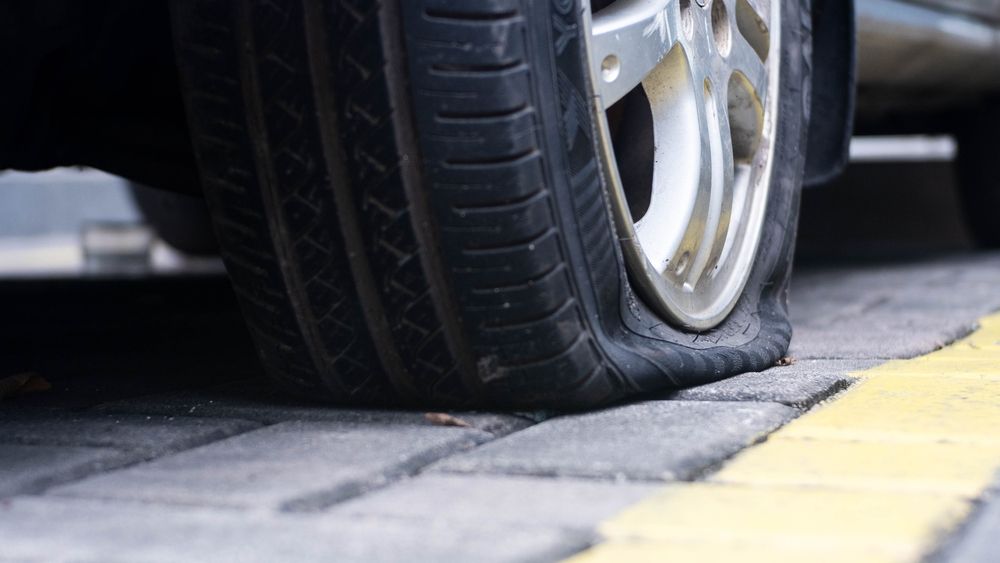
A tire blowout is a sudden loss of air pressure caused by the tire structure failing, not a slow leak. The most common causes are underinflation, excessive heat buildup, tire age and dry rot, overloading, and impact damage from road debris. In Arizona, heat amplifies every one of them. According to the National Highway Traffic Safety Administration's tire safety guidance, underinflation is a leading contributor to tire failure because a low tire flexes excessively and overheats.
These are the triggers we see most often on Valley roads during summer:
- Low pressure — even 20% under spec generates dangerous heat at highway speed.
- Age and dry rot — UV and heat crack the rubber; see our guide to dry rot on tires in Arizona.
- Debris impact — construction and monsoon-storm debris on I-10, US-60, and the Loops, which is a big reason Phoenix sees so many flats.
- Overloading — exceeding the tire's load index, common with loaded trucks, trailers, and RVs.
Why Summer Heat Makes Blowouts Worse in Phoenix
Heat is the accelerant. Tire pressure rises roughly 1 PSI for every 10°F increase in temperature, and a tire rolling on 150°F asphalt runs far hotter inside than the air temperature suggests. That heat softens aging rubber and pushes weak spots past their breaking point. Phoenix records some of the most extreme pavement temperatures in the country, and the National Weather Service issues excessive-heat warnings across the Valley for much of the summer — conditions detailed in the NWS heat-safety resources.
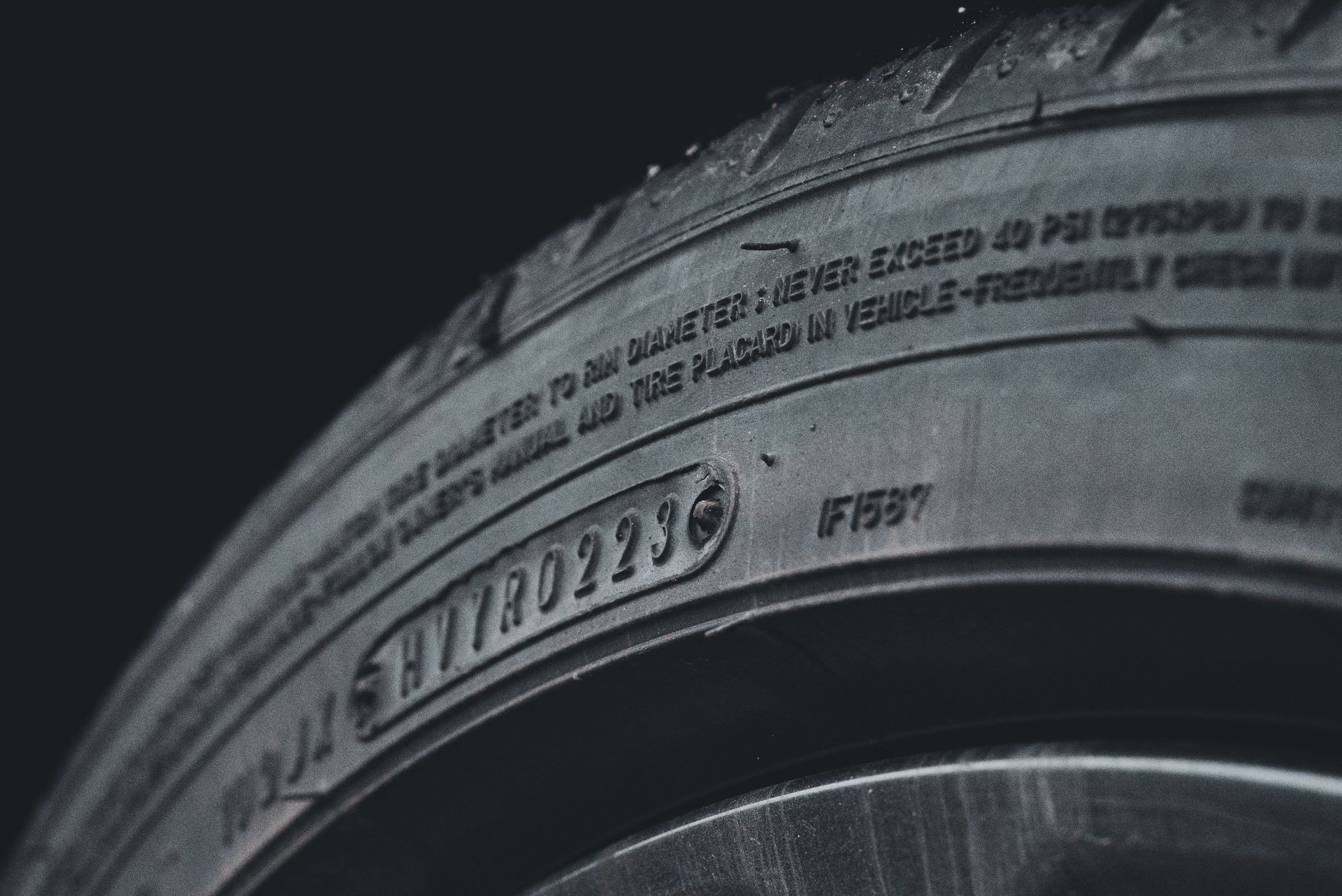
Tire age matters just as much as tread in this climate. Rubber degrades on a calendar, not just an odometer, so a tire with plenty of tread can still be unsafe if it's old and sun-baked. The tire industry's care guidance from the U.S. Tire Manufacturers Association recommends checking the DOT date code and having tires inspected as they age. In Arizona, a garage-kept car and a car parked outside can be years apart in real tire life.
How to Prevent a Tire Blowout This Summer
Prevention comes down to pressure, age, and inspection. Set your tires to the pressure on the driver's-side door-jamb placard, check them when cold (before driving), and don't drop below spec thinking it helps in heat — it does the opposite. Replace tires that are cracking, bulging, or past their service life regardless of tread depth.
A quick summer routine:
- Check pressure monthly and before road trips — always cold, always to the placard number.
- Read the DOT date code — the last four digits are the week and year the tire was built.
- Look for dry rot — sidewall cracks, a chalky surface, or bulges mean it's time.
- Book a seasonal inspection — our mobile tire inspection checks pressure, tread, age, and TPMS at your home or office.
Blowout risk factors at a glance
| Risk Factor | Warning Sign | What to Do |
|---|---|---|
| Underinflation | TPMS light, soft-looking tire, poor mileage | Inflate cold to the door-jamb PSI |
| Tire age / dry rot | Sidewall cracks, chalky rubber, 6+ years old | Replace regardless of tread depth |
| Extreme heat | Pressure swings, hot-pavement driving | Keep pressure correct; avoid worn tires in summer |
| Overloading | Loaded truck, trailer, or RV; squatting stance | Stay within the tire's load index rating |
| Debris impact | Bulge or "bubble" in the sidewall after a hit | Stop driving on it — a bulge is unrepairable |
What to Do if Your Tire Blows Out on a Phoenix Freeway
If a tire blows out at speed, do not brake hard and do not jerk the wheel — that's how a blowout becomes a crash. Hold the wheel firmly, ease off the accelerator, let the car slow gradually, and steer straight until you can move safely to the shoulder. On busy corridors like I-10, US-60, or Loop 101/202, get the vehicle as far right as possible and everyone behind the guardrail.
- Grip the wheel with both hands and keep the car pointed straight.
- Ease off the gas — let speed bleed off naturally instead of braking hard.
- Signal and steer to the shoulder once you're under control.
- Turn on hazards and exit away from traffic; stand behind a barrier.
- Call for help — a mobile tire service can replace the tire where you are.
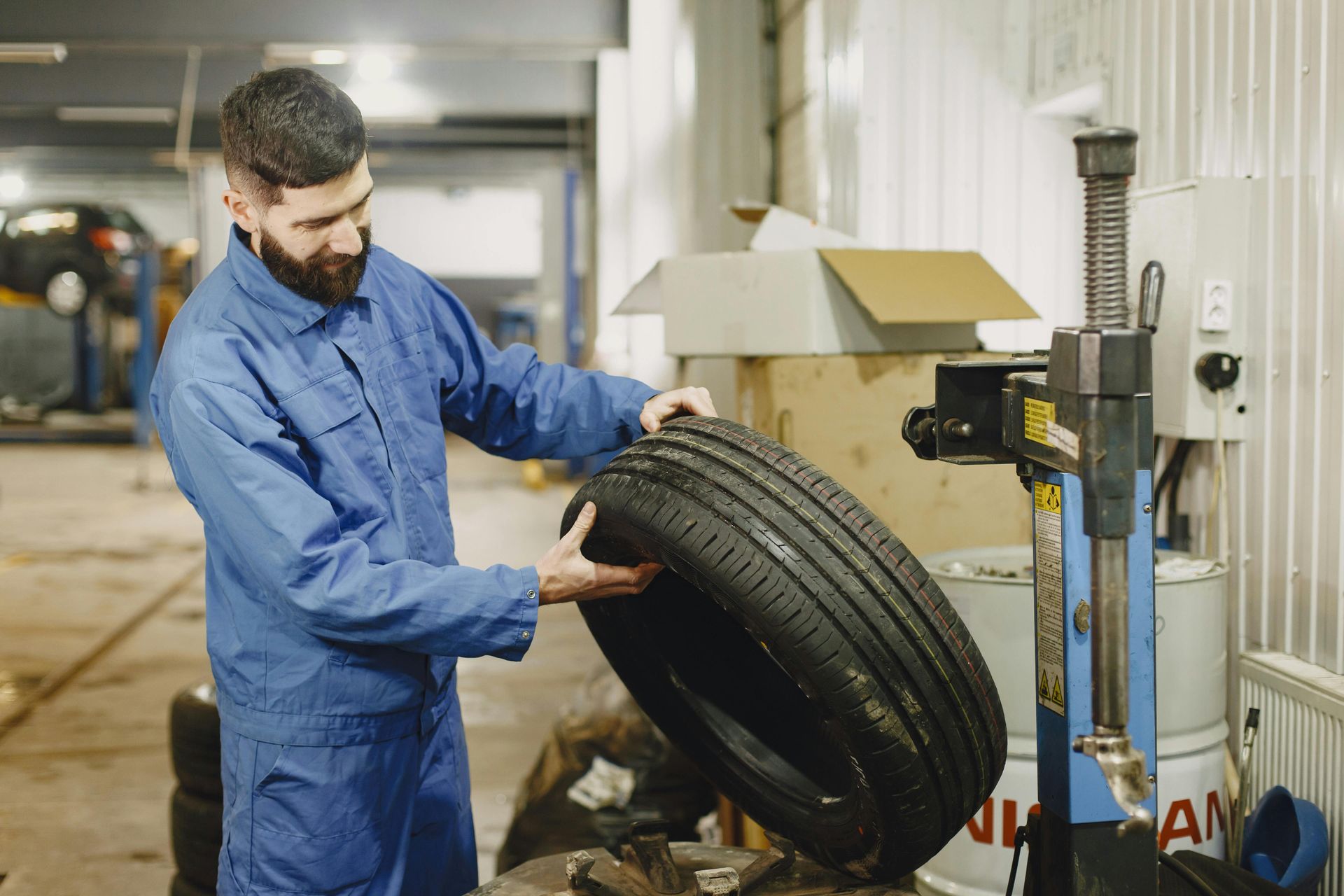
If you don't have a usable spare — or the wheel is damaged — you don't need a tow to a shop. Mobile tire repair and replacement brings the tire and the tools to your location anywhere in the Phoenix metro, so you're back on the road without leaving your car on the shoulder.
Frequently Asked Questions
Can heat alone cause a tire to blow out?
Heat rarely blows out a healthy, properly inflated tire on its own. It's the combination that fails — heat plus low pressure, old rubber, or damage. Arizona's extreme pavement temperatures push already-weak tires past their limit, which is why blowouts spike in summer.
What tire pressure should I run in Arizona summer?
Use the pressure listed on your driver's-side door-jamb placard, measured when the tires are cold. Don't lower it for summer heat — underinflation is the leading cause of blowouts. If your TPMS light comes on in the morning, that's your cue to add air, not to ignore it.
How hot does pavement get in Phoenix?
On summer afternoons, Phoenix asphalt surface temperatures commonly reach 140–160°F even when the air is around 110–115°F. That heat transfers into your tires as you drive, raising internal pressure and stressing aging rubber.
Should I lower my tire pressure in the summer?
No. Lowering pressure increases sidewall flex and heat buildup — the exact conditions that cause blowouts. Keep tires at the manufacturer's recommended cold pressure year-round and check them more often in summer.
Who can replace a blown tire where I'm stranded in Phoenix?
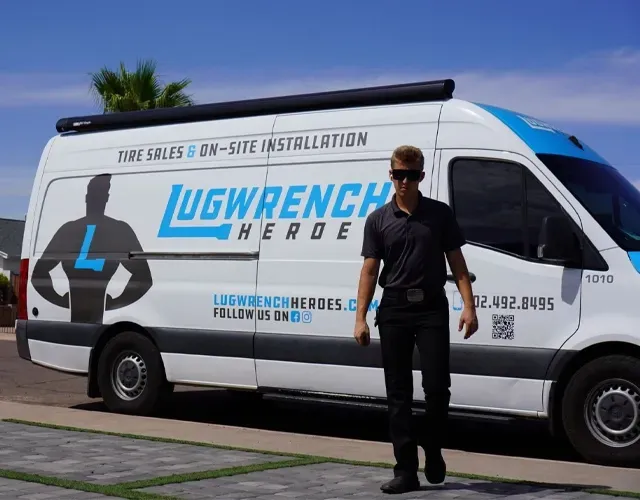
LugWrench Heroes is a 100% mobile tire shop — we come to your location with the tire and equipment. Call or text (602) 492-8495 or book online, and we'll handle the replacement at your home, office, or the roadside, backed by our 45-day ride guarantee.
Blowout or Flat in the Valley? We Come to You.
The tire store at your door — home, office, or roadside. Call or text and we'll bring the tire.
Call or Text (602) 492-8495 Book OnlineSources: NHTSA Tire Safety; National Weather Service Heat Safety; U.S. Tire Manufacturers Association Tire Care. Guidance is general — have tires inspected for your specific vehicle and conditions.