What is the tire rule?

June 21, 2024

Are you aware that nearly 11,000 tire-related accidents happen each year in the US? This fact highlights the vital role of tire safety rules. The tire rule is a guideline monitored and established by groups like the Department of Transportation (DOT). It aims to ensure safety and good driving conditions.

These standards cover various aspects, from the proper thickness of tire treads to the correct air pressures. They even ban tires showing any signs of wear or damage. All these rules are in place to keep drivers and passengers safe.

The Federal Motor Carrier Safety Administration (FMCSA) and the Commercial Vehicle Safety Alliance (CVSA) are tasked with making sure these rules are followed. For instance, tires need a specific tread depth to be deemed safe enough for use. If these requirements aren’t met, the consequences can be severe, like fines or being pulled off the road.

In this discussion, we will explore what the tire rule means for those who drive for work, or even those in racing. Let's see how it affects both commercial and high-speed vehicles.

Key Takeaways

  • The tire rule is a set of guidelines made to keep tires safe.
  • It requires specific tread depths, like 4/32 inches for steer tires and 2/32 inches for regular tires.
  • Using tires that are worn out, damaged, or not inflated correctly is against the law.
  • The FMCSA makes sure drivers follow these rules, with help from the CVSA.
  • Breaking these tire safety rules can lead to big fines and being stopped from driving further.

Overview of Tire Regulations

In the United States, tire regulations are there to keep commercial vehicles safe and working well. The Department of Transportation (DOT) makes detailed rules for tires. These rules help make sure that truck tires are reliable and safe.

Truck tires must have a certain amount of tread depth to be legal. Steer tires must have 4/32 inches of tread, according to 49 CFR 393.75(b). Other tires, including those on trailers, should at least have 2/32 inches of tread. This rule is key for good grip and less chance of accidents, especially when the weather is bad.

Under DOT rules, retreaded or recapped tires can't be used on the front wheels of buses. This is a big part of keeping buses safe to drive. These rules also cover how much weight tires can carry. Following the manufacturer's load limits helps prevent tire problems and big accidents.

For trailers, their tires need to match what the manufacturer says and carry appropriate weight. It's important that tires are not over or under-inflated. This can really affect how the vehicle drives and its fuel use. Knowing the correct speed and usage of tires is crucial for them to work well and stay safe.

Truck drivers must know and follow these tire regulations. It's not just for safety but also to avoid getting in trouble during DOT checks. At weigh stations, tire issues often show up during Level 1 and 2 checks. This tells us how critical it is to stick to the tire safety rules.

The Tire Rule in Motorsports

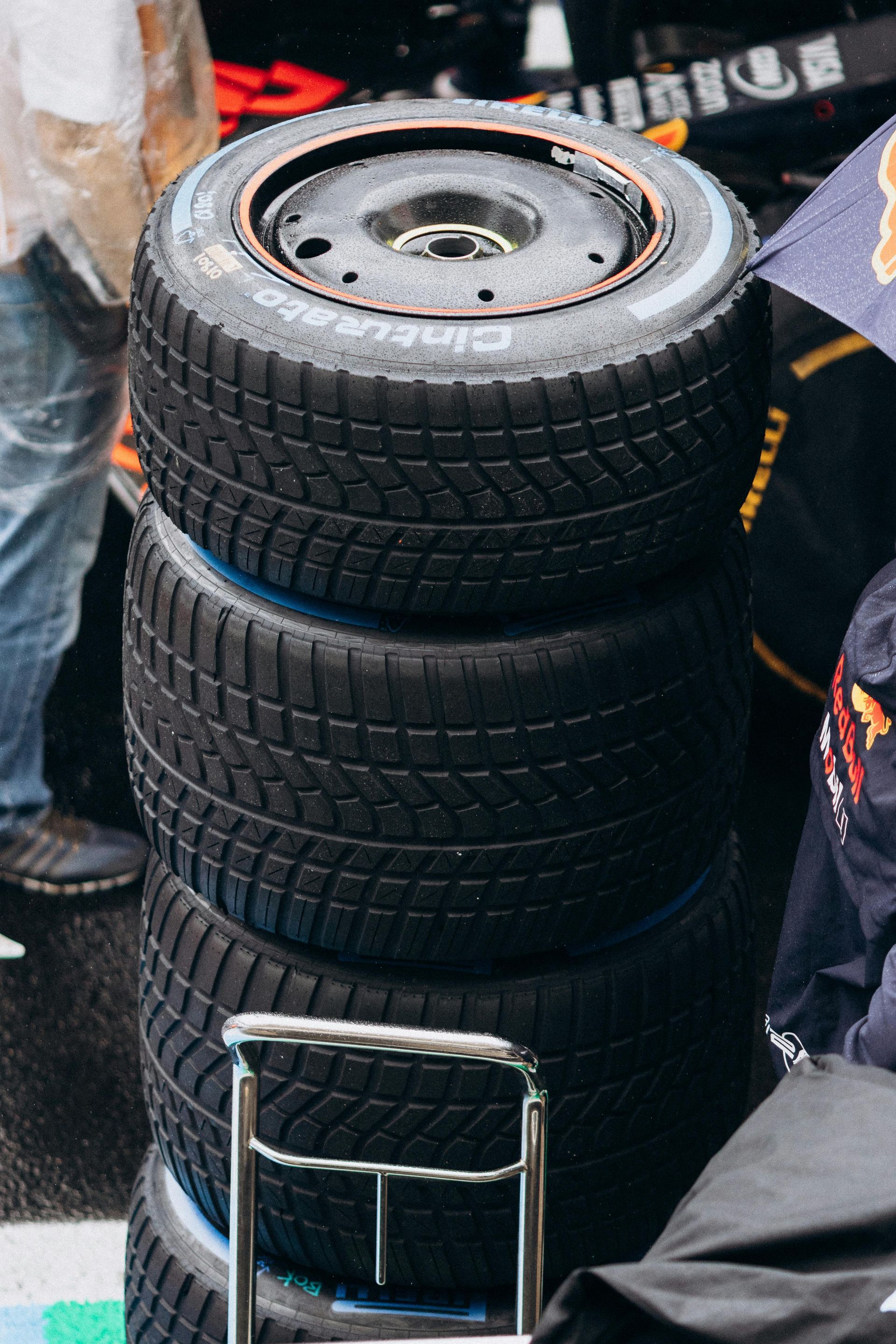
In the world of motorsports, tire rules are key. They make sure competitions are fair and safe. Big events like the Johnny Appleseed Classic and Eldora Million follow these rules closely. Racers have to use the same set of tires for everything on the track, from qualifying to the main race.

The tire rules cover how tires can be used and changed. Changing the tires' original form is against the rules. If a racer breaks these rules, they face serious penalties. This shows how important these rules are.

Places like Eldora Speedway and DIRTcar Racing work hard to enforce the tire rules. It shows how important fair play is in motorsports. The integrity of these events is kept strong through these strict regulations.

What is the tire rule?

The tire rule is important in both commercial trucking and motorsports. It focuses on vehicle performance, driver safety, and fairness in competition. It's enforced by groups like the Department of Transportation (DOT) and motorsport organizations. These rules make sure tires are at their best, which is essential for safety.

So,  why do racing cars have tire rules ? This is to stop accidents caused by tire problems. Having the same rules for everyone makes sure the competition is fair. Tires are key to a good race, affecting grip, speed, and driver safety. By following set rules on tire condition, risks are reduced, and the competition stays fair.

Understanding the  importance of tire rules  shows they are vital. They make races safer and more fair for all. These rules matter for the safety and fairness of not just racing, but also commercial driving.

Conclusion

The tire rule is key in trucking and racing. It’s shown through strict tread depth rules from the DOT and detailed standards in racing. These roles reduce the danger of tire blowouts. They set a standard for safety and quality. This keeps the roads and tracks safe and fair.

Sticking to these rules shows how important maintenance is. Checking pressure and tread often is required. But it also helps tires last longer and keeps cars safe. Keeping up with maintenance helps avoid trouble and boosts car performance.

In trucking or racing, the tire rule is essential. It ensures vehicles are safe and work well. This supports fair play and follows rules to keep everyone safe. It's a must for all driving conditions, bringing benefits to drivers and communities.

If you ever need help with tire repair, replacement or a new set of tires in the Phoenix, AZ metro area contact our tire experts at LugWrench Heroes for help!

FAQ

What is the tire rule?

A set of rules exists to keep tires safe and working well on vehicles. These are set by groups like the Department of Transportation (DOT) and racing officials.

What are the DOT tire regulations for commercial trucks?

Commercial trucks must follow DOT rules outlined in 49 CFR 393.75. The steer tires need at least 4/32 inches of tread. Other tires must have 2/32 inches of tread at least.

Tires should not show ply, have tread coming off, be too flat, or leak. Violating these rules can lead to trouble.

Why do racing cars have tire rules?

Tire rules in racing ensure safety and a level playing field. They aim to avoid accidents from tires failing. They also make sure all racers start with the same tire performance.

What are the consequences of not complying with tire regulations?

Breaking tire rules can get truck drivers penalties. The Federal Motor Carrier Safety Administration (FMCSA) and the Commercial Vehicle Safety Alliance (CVSA) enforce this.

What are some of the specific tire regulations in motorsports?

Motorsports require using approved tires without changes and follow specific rules. Races like the Johnny Appleseed Classic and Eldora Million have strict tire rules.

How can tire regulations affect a commercial vehicle inspection?

At weigh stations, inspectors check tires in detail during Level 1 and Level 2 inspections. Not meeting the DOT tire rules can lead to fines.

What is the importance of maintaining proper tire inflation levels?

Keeping tires properly inflated is key for vehicle safety and performance. It prevents wear, blowouts, and saves fuel. Proper inflation helps tires last longer and work better.

How do tire rules benefit the overall safety of both commercial and racing vehicles?

Tire rules lessen the chance of accidents and car troubles by focusing on safety. By creating standards for tire wear and inflation, these rules make vehicles safer.

What proactive measures can be taken to comply with tire regulations?

Regular tire checks, including tread and pressure, are vital to follow tire rules. This practice helps avoid violations and increases tire life.
By Haley Thompson March 20, 2026
Tire safety checks are key to keeping drivers safe on the road. Tires are the only part of a car that touches the ground. They are critical for safe travel. Not checking tires can lead to serious problems. Experts say smaller vehicles rolled over about 25% of the time due to pre-crash tire issues .This shows how important it is to check tire conditions regularly. Regular checks also make your car run better. They help you drive smoothly and safely. Plus, they make your tires last longer, saving you money. They also help the environment by reducing emissions and saving fuel. Taking care of your tires is good for your car and the planet. Key Takeaways Ensuring regular tire safety checks is essential to driving safety and vehicle reliability. Adhering to a complete tire condition checklist can help find problems before they cause accidents. Right tire maintenance boosts your car's performance in Phoenix, AZ. Preventative tire checks save money and help the environment. Checking tires is a must for responsible car ownership. Tire care is a big part of keeping your car in good shape. Understanding the Importance of Regular Tire Inspections in Phoenix, AZ The importance of regular tire checks is huge for keeping your vehicle safe and running well. Checking tires often has many benefits of tire inspection . It makes the roads safer, your car performs better, and helps the environment too. Safety on the Road Keeping your tires in top shape is key for road safety. The right tread depth and air pressure help your car grip the road well. This is a big reason for tire inspection , as it stops your car from skidding, even in bad weather. Prevention of Accidents One major benefit of tire inspection is stopping accidents. Regular checks spot wear and tear early. This means you can avoid blowouts and flats, making the roads safer for everyone. Improved Vehicle Performance Regular tire checks make sure your tires are just right. They're inflated and balanced, which makes your car handle better. Even wear from proper tire rotation means your tires last longer. This makes regular tire checks a must for Phoenix car owners. Cost Savings and Environmental Benefits in Phoenix But there's more to it than just safety and performance. Regular tire checks also save money and help the planet. Good tires use less fuel, saving you cash and cutting down on pollution. Plus, they last longer, which means less waste and fewer new tires needed. It's all about being kind to our planet. Key Elements of a Complete Tire Inspection Keeping your vehicle in top shape means checking your tires often. A full tire check looks at important parts to see if your tires are safe and ready. By doing regular checks, you can spot problems early, avoid accidents, and drive smoothly. Tread Depth Measurement It's key to measure your tire's tread depth to keep a good grip on the road. Make sure the tread is at least 2/32 of an inch deep to meet safety standards. You can use a coin to check tread depth; if you see part of the coin, it's time to think about new tires. Tire Pressure Check Right tire pressure is important for your tires to last long, save fuel, and drive smoothly. Check tire pressure monthly with a good gauge. Always follow the maker's advice, remembering that temperature changes affect pressure. Visual Inspection for Damage and Wear Patterns A close look can spot damage like cuts, punctures, or bulges that could harm the tire. Regular checks also show wear patterns that mean your tires might be off or out of balance. This helps avoid bigger problems. Examination of Sidewalls and Valve Stems Looking at the sidewalls for cracks, cuts, or wear is vital to avoid blowouts. Also, check the valve stems for damage or leaks. This keeps tire pressure right, ensuring your tires perform well and safely. Using a detailed tire condition checklist during checks helps your tires last longer and work better. This careful approach to tire care keeps you safe on the road and keeps your vehicle in great shape. The Impact of Tire Inspections on Driving Safety and Vehicle Performance Regular tire safety checks are key for safe and efficient driving. Knowing the importance of checking tires helps drivers control their vehicles better. These inspections also boost a vehicle's performance. Enhanced Safety Measures Tire inspections find and fix problems, making driving safer. They check for tread depth, which is vital for traction. This ensures stability and responsive steering, important for improved vehicle handling . Effective Braking Performance A vehicle's brakes work best with good tires. Checking tires for inflation and tread depth is critical. It helps stop faster and more safely, which is vital in emergencies. Increased Fuel Efficiency Regular checks also keep tires at the right pressure. This cuts down on fuel use and saves money. It also helps the environment by reducing CO2 emissions. Properly inflated and aligned tires last longer and need less frequent replacement. Consistent tire inspections detect problems early, preventing accidents. Well-maintained tires meet safety standards, avoiding legal trouble. Regular care ensures better road contact, improving safety and performance. Conclusion: The Vital Role of Tire Inspections in Phoenix Vehicle Maintenance The safety of every journey starts with the condition of the vehicle's tires. Checking tires is vital, as it ensures safer and more efficient driving. Tire inspections are not just routine checks; they are essential for the car's performance and the driver's peace of mind. Regular tire inspections prevent accidents and improve the car's handling and braking. They help avoid sudden blowouts and ensure better fuel economy and steering. By following a tire inspection checklist, drivers take a proactive step in Phoenix vehicle care. Tire safety checks are key to vehicle maintenance , showing a vehicle is ready for the road and the driver cares about safety. Regular inspections extend tire life and ensure the vehicle operates at its best. As drivers learn about tire inspection benefits, they help make driving safer and more responsible. Need tire repair services or an inspection in the Phoenix Metro? Call Lug Wrench Heroes at 602.932.0818 today for professional mobile tire services, repair, and replacement in Phoenix, AZ .
tire inspection
By Haley Thompson March 6, 2026
Tire safety checks are key to keeping drivers safe on the road. Tires are the only part of a car that touches the ground. They are critical for safe travel.
stack of tires
By Haley Thompson February 27, 2026
The quality of your tires is key for road safety and your vehicle's performance. It's not just about looking at them. You need to check the tread depth, sidewall structure, and design.
By lugwrenchheroes February 4, 2026
Cost of Tire Patchs in Phoenix AZ metro area, from the tire repair experts!
tire repair
By TJ Loftus January 23, 2026
When you think about getting a tire repaired, several things matter. The cost depends on the damage type and how bad it is. Also, what services you need.
flat tire
By TJ Loftus January 9, 2026
When a tire gets punctured, car owners often wonder how much it costs to fix it. It's important to act fast to avoid more damage and stay safe on the road.
man holding tire
By TJ Loftus December 19, 2025
Ever wondered how long you'll wait for a tire repair? Being stuck on the side of the road or in a repair shop can be frustrating.
car in field
By TJ Loftus December 5, 2025
Ever thought about how long a patched tire can last before it's dangerous? Many drivers worry about this. A quick fix might seem good, but it's vital to think about safety and performance.
mercedes
By TJ Loftus November 21, 2025
What if the secret to a quieter cabin, sharper steering, and shorter stops is not the car at all—but the rubber it rides on?
tires
By TJ Loftus November 7, 2025
What if the “right tire” isn’t the priciest brand, but the one that matches how and where they drive—down to speed rating, climate, and daily routine?