

In Arizona, keeping the right tire tread depth is key to staying safe and following the law. Tires need at least 4/32 of an inch on the steering axle and 2/32 on others. This rule is in place to help your vehicle grip the road securely. It's part of the Arizona vehicle tire tread regulations.
Not following these rules can lead to fines. This happens when tires show their threads, are less than fully inflated, or break other guidelines. Sometimes,
local officials might issue special permissions for some vehicles. This lets them travel on highways even if their tread doesn't meet the usual standards.
If you're asking what is the legal tread on a tire in Arizona , it's important to remember these rules. Doing so will help you avoid trouble and keep the roads safer for everyone.
Understanding Arizona Tire Tread Depth Requirements
Arizona requires specific tire tread depths for safety and law compliance. Following these rules helps keep drivers safe and avoid fines.
Minimum Tread Depth Standards
Arizona's minimum tread depth requirements are crucial for safe driving. The law says tires on the front must have 4/32 of an inch. Rear tires and the rest need a minimum of 2/32 of an inch. These rules aim to lower the chance of tire-related accidents.
Tread Depth for Steering Axle Tires
Steering tires must have at least 4/32 of an inch tread depth in Arizona. This ensures good grip and control, even in the rain or snow. It's key to meeting Arizona's safety standards and avoiding accidents.
Tread Depth for Other Tires
Non-steering tires should also have a decent grip, with 2/32 of an inch as the minimum. This helps them operate safely on the pavement. Checking and meeting these standards is part of regular vehicle checks, important for safety and staying away from fines.
Arizona Tire Tread Laws and Regulations
In Arizona, laws on tire tread aim to make our roads safer. These regulations are covered by the Arizona Revised Statutes. They describe the right kind of tires for safe driving. They also talk about when it's okay to use metal studs or tire chains.
Key Provisions of Arizona Revised Statutes
Solid rubber tires on vehicles must have rubber over their entire outer surface. This rubber must be at least one inch thick, above the edge of the flange all around. Technically, an unsafe tire is one that's too worn, damaged, badly repaired, or older than seven years. It’s very important to keep your tires in line with the arizona tire tread depth requirements for safety checks and overall road safety.
Prohibited Tire Features
Arizona’s tire laws ban certain tire types. For example, tires can’t have things like blocks, studs, flanges, cleats, or spikes that stick out and aren’t made of rubber. There are special cases for uses like tire chains in the snow or ice, and on farm equipment.
Permissible Uses of Metal Studs and Tire Chains
From October 1 to May 1 each year, you can use metal studs in pneumatic tires. But they can't be more than three percent of the area that touches the road. This rule from the az tire tread guidelines makes winter driving safer. Special permissions are available for traction engines and other machinery when needed.
What is the Legal Tread on a Tire in Arizona?
In Arizona, laws are very clear about how much tire tread your car must have. This is to keep everyone safe on the road. It aims to reduce accidents caused by bad tires.
Arizona’s rules say a tire must have at least a one-inch thick, solid rubber surface. It measures from the tire's edge to the flange. Tires must also have certain depths of tread grooves.
These standards are closely watched to make sure roads are safe for all. You can learn more about az tire tread depth regulations online.
Between October 1 and May 1, tires can have metal studs if they meet certain limits. These limits help prevent damage to roads. Tire chains can also be used under specific safety rules.
Legal tire tread depth in Arizona also means no tires can have extra bits sticking out. This includes dangerous objects like studs or spikes. Yet, there are some exceptions for farm equipment and using chains for safety.
If your tires do not meet Arizona’s rules, you could face legal action. It’s important to keep an eye on your tires. Arizona car tire tread standards are there to keep you safe and following them keeps you out of legal trouble.
Consequences of Non-Compliance with Tire Tread Laws
It's critical to make sure your tires have enough depth. Not following tire tread laws in Arizona can cause big problems. Knowing about the penalties helps drivers stay away from the dangers of bad tires.
Penalties for Operating with Unsafe Tires
Arizona is serious about tire safety. They often check if tires are in good shape. During the CVSA Roadcheck, 19% of vehicles pulled over had tire problems. This can lead to tickets and maybe having your car taken away. The fines for bad tires in Arizona can be high, especially for big trucks.
Impact on Vehicle Safety
Bad tires can cause serious accidents. In 2019, there were 612 deaths in tire-related crashes. Tires that are worn down can make driving dangerous. They can cause skids, loss of control, or even blowouts. These risks threaten the safety of everyone in the vehicle.
It's very important to follow tire laws. Doing so can stop accidents and make your car work better. Check your tires often, at least once a month or before a long trip. This simple step can keep your tires safe and your driving worry-free.
How to Measure Tire Tread Depth
It's vital to keep your tire tread depth right, particularly with Arizona's tough rules. Knowing how to check your tire tread is key to avoid trouble. There are easy ways to do this:
- Tire Tread Depth Gauge: Use this tool for a precise check. Just stick the probe in the groove and look at the scale. You'll know if you pass Arizona's tread check.
- Penny Test: A simple way to tell. Put a penny in the groove with Lincoln's head facing down. If you see the top of his head, your tires might need changing.
- Visual Inspection: Always look for tire wear. Uneven wear can show issues like wrong air pressure or alignment.
Checking tread depth often is a must. The NHTSA says tire problems led to 612 deaths in 2019. Keeping your tires right also follows FMCSA and DOT rules.
Use these steps to make sure your tires are safe and legal. Checking often in Arizona could keep you, and others safe on the road too.
Tips for Maintaining Adequate Tire Tread
Keeping your tire tread in good shape is key for staying safe on the road. It also helps meet Arizona's rules for driving. Follow these tire care tips if you're a driver in Arizona.
Regular Tire Inspections
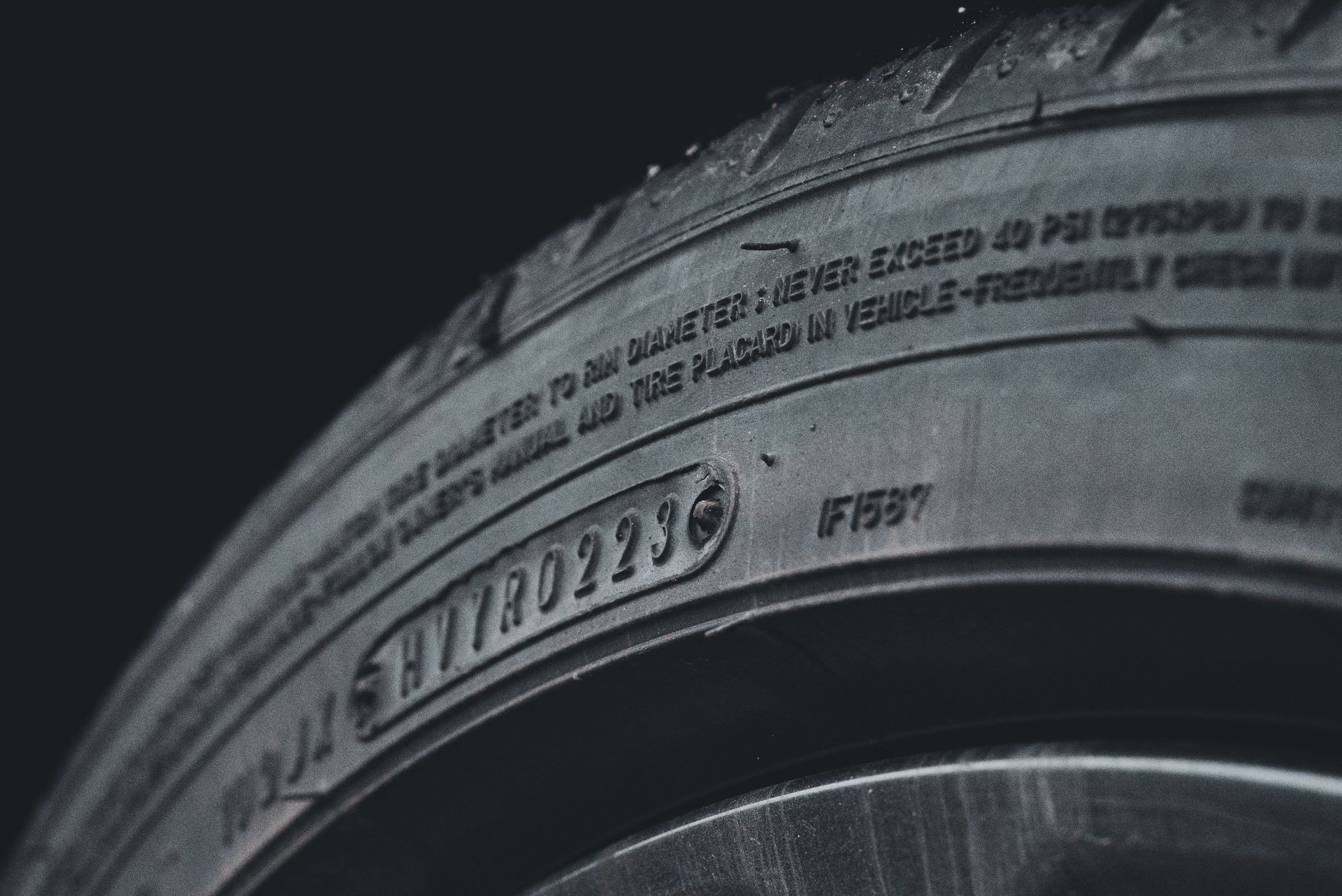
Make sure to check your tires often to spot problems early. It's wise to look for damage, foreign objects, and how much the tread has worn down each month. For checking the tread depth, use a penny. If you can see the top of Lincoln's head, it's time for replacements. Tires below the 2/32 inch tread depth are illegal and unsafe.
Proper Tire Inflation
Keeping the right air pressure in your tires makes them last longer and keeps you safer. In Arizona, aim to keep your tires between 32 and 35 PSI. Check their pressure when they’re cold for the most accurate results. This action makes your tires work better and your car use less fuel.
Tire Rotation and Alignment
Rotating your tires and making sure they're aligned well is important. Rotate your tires every 5,000 to 7,000 miles to keep the wear even. Proper alignment stops your car from pulling to one side or shaking the steering wheel. Remember to check the Camber, Caster, and Toe angles when aligning. This ensures your tires last as they should.
Conclusion
It's crucial for drivers in Arizona to know the state's tire tread laws. They require a certain amount of tread on tires to stay safe. For the main steering tires, there should be at least 4/32 of an inch of tread depth. For all other tires, there needs to be at least 2/32 of an inch. These rules make sure cars can grip the road well, especially in bad weather.
Famous tire brands like B.F. Goodrich and Goodyear might be responsible for tire-related accidents. If the tire wasn't made right, like if it wasn't glued properly or the materials were bad, it could be a defect. In cases like these, proving the tire was faulty can help the victim get money for the harm they suffered.
In the case of "Torres v. Goodyear Tire & Rubber Company, Inc.," the issue was tire quality. A Goodyear tire tread separated, causing an accident. This case showed the importance of making sure tires are in good shape. Checking tire pressure, swapping their positions, and looking at their treads can prevent similar accidents.
Knowing about Arizona's tire tread laws can help drivers stay safe. Regular checks and understanding the rules can avoid big problems. It's not just about avoiding fines. It's about keeping everyone safe on the road.
If you need more information about Tire treads in Arizona contact our tire experts at LugWrench Heroes