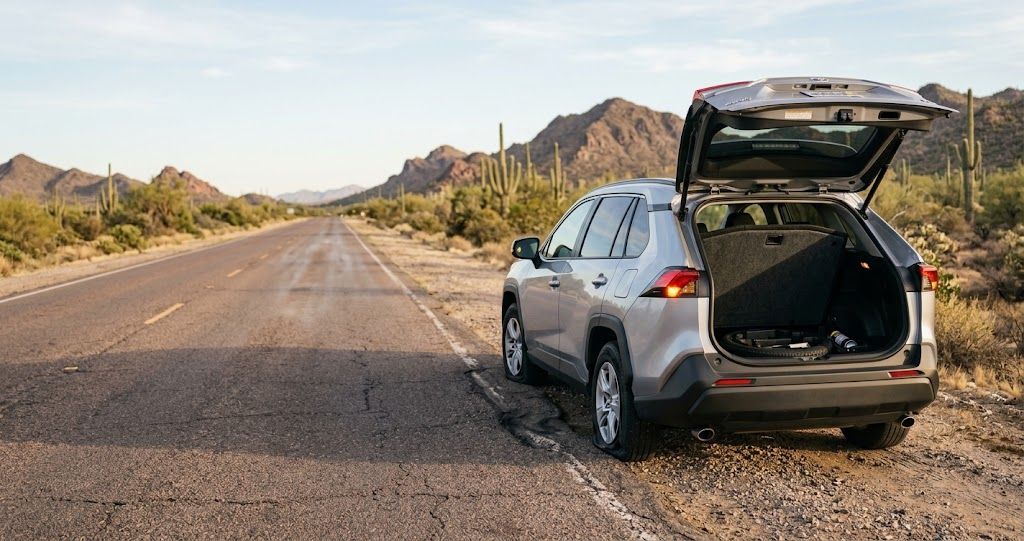


When it comes to the lifespan of tires in Phoenix, there are a few factors to consider. The hot and dry weather, combined with the rough road conditions, can cause tires to degrade faster compared to other areas. So, how long should tires last in Phoenix ?
Key Takeaways:
- Tires in Phoenix typically last around 3-4 years or 40,000 miles.
- The hot and dry weather in Phoenix can cause rubber compounds in tires to degrade faster.
- Tires worn down below 2/32" of tread depth may need to be replaced earlier.
- Tucson's bad roads and stop-and-go city driving can reduce tire lifespan to 2-3 years.
- Cooler climates like Prescott and Flagstaff may extend tire longevity, but all-season or winter tires are necessary for snow and harsh weather conditions.
Factors Affecting Tire Lifespan in Arizona
When it comes to the durability of tires in Phoenix and throughout Arizona, there are several factors that can impact their lifespan. Understanding these factors and taking appropriate measures can help increase the longevity of your tires and ensure optimal performance on the road.
Hot and Dry Weather
The hot and dry weather in Phoenix is one of the main factors that can affect tire durability. The high temperatures and intense sunlight can cause the rubber compounds in tires to degrade faster. It is important to choose tires that are designed to withstand such conditions and provide enhanced heat resistance.
Tire Maintenance
Regular tire maintenance is crucial for prolonging the lifespan of your tires. This includes tire rotations and balancing to ensure even wear and extend tread life. Additionally, maintaining proper tire inflation is essential to prevent under inflation or overloading, which can lead to premature wear. Regularly checking the tire pressure and adjusting it as necessary is important for tire longevity.
Driving Habits and Road Conditions
Your driving habits and the conditions of the roads you frequently travel on can also impact tire durability. Rough roads, excessive braking, and aggressive driving can accelerate tire wear. It is advisable to drive carefully, avoid sudden stops, and navigate rough roads with caution to minimize the strain on your tires.
| Factors | Impact on Tire Lifespan |
|---|---|
| Hot and Dry Weather | Accelerated rubber degradation |
| Tire Maintenance | Even wear and proper inflation |
| Driving Habits and Road Conditions | Excessive wear due to rough roads or aggressive driving |
By considering these factors and implementing proactive tire maintenance practices, you can significantly increase the lifespan of your tires in Phoenix and enjoy safer and more efficient drives. Remember to choose tires that are suitable for the local climate and road conditions, and consult with a professional if you have any concerns about tire durability.
Best Tires for Phoenix's Unique Driving Conditions
When it comes to choosing tires for Phoenix's unique driving conditions, it's important to consider factors such as the hot and dry weather, rough road conditions, and high temperatures. To ensure optimal performance and longevity, here are some tire options to consider:
Summer Tires
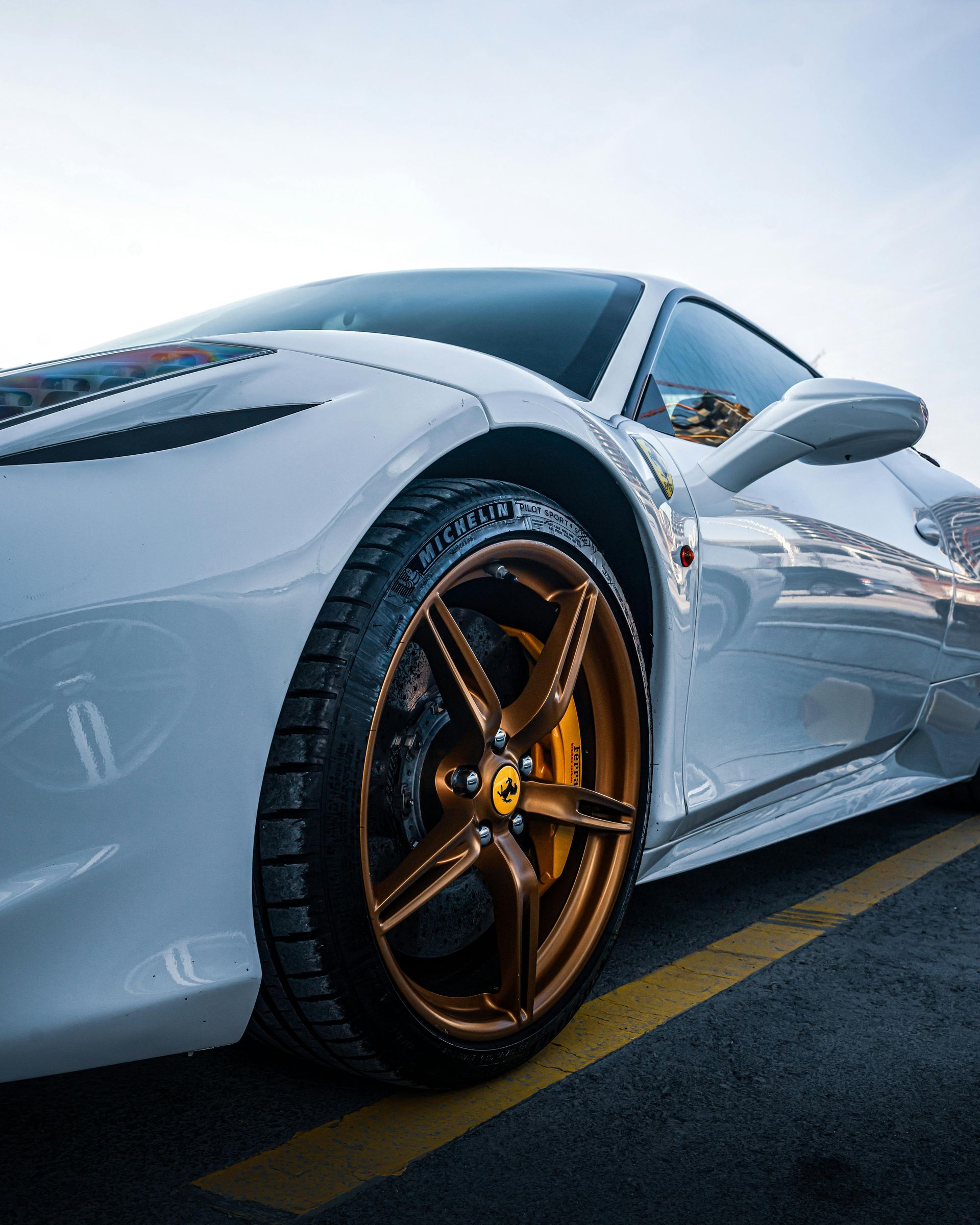
Summer tires are specifically designed to handle hot temperatures and provide excellent grip on both dry and wet roads. They are recommended for high-speed vehicles and can withstand temperatures above 110 degrees Fahrenheit. These tires have specialized rubber compounds that offer enhanced traction and handling, making them ideal for the scorching weather in Phoenix.
All-Season Tires
All-season tires are versatile and suitable for areas with moderate snow and light rain. They provide good traction on both dry and wet roads, making them a popular choice for drivers in Phoenix. These tires have tread patterns that allow for efficient water evacuation, reducing the risk of hydroplaning during occasional rain showers. However, in areas with heavy snowfall, it's important to switch to winter tires for better performance.
All-Terrain Tires
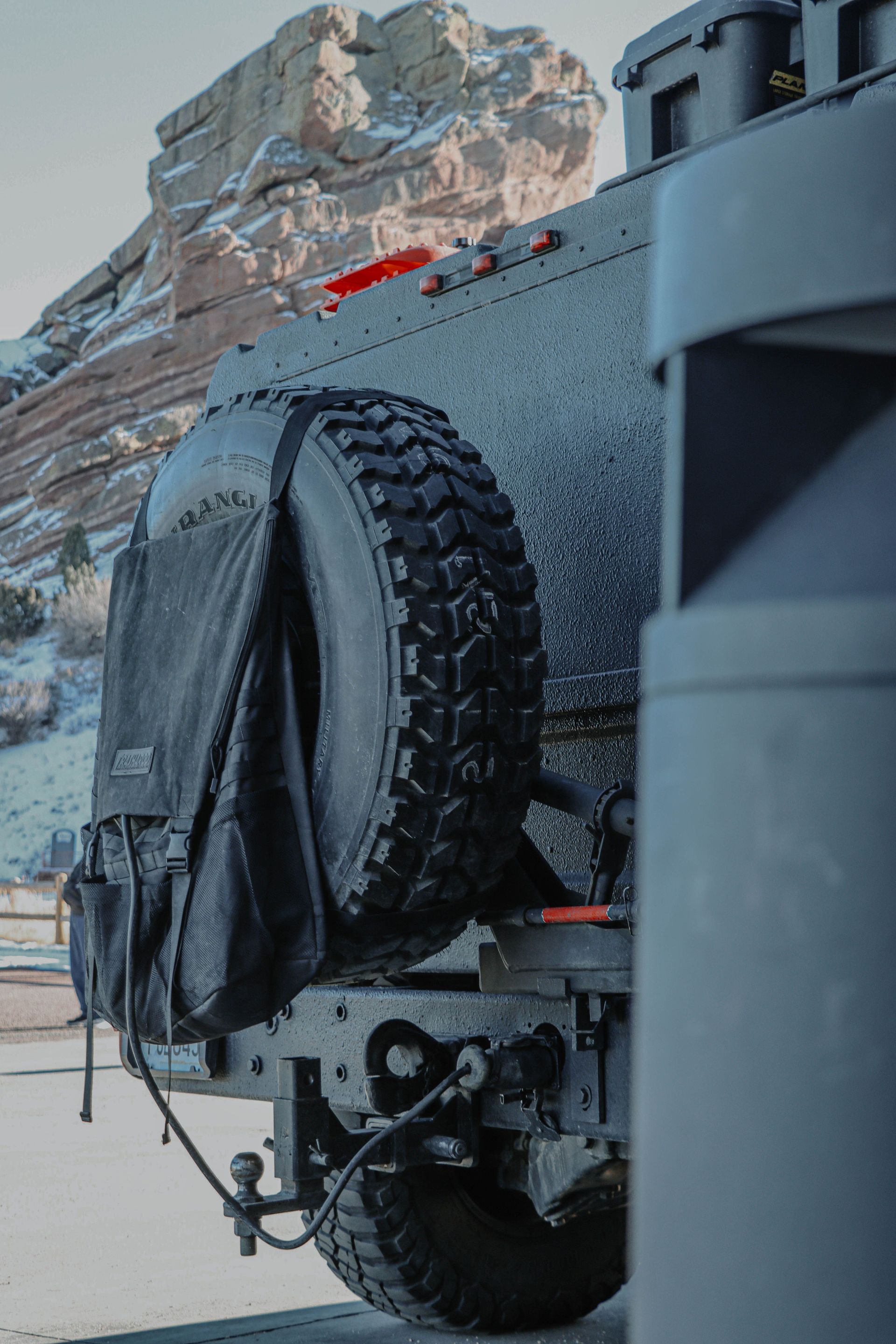
If you frequently drive off-road or own an SUV, all-terrain tires are worth considering. These tires are designed to handle rough terrains and provide excellent traction on both paved and unpaved surfaces. With their durable construction and aggressive tread patterns, all-terrain tires can handle the demanding road conditions often encountered in Arizona.
Winter Tires
For areas in Arizona that experience snow, such as Flagstaff and Prescott, winter tires are essential for safe and reliable driving. Winter tires have specialized rubber compounds that remain flexible in cold temperatures, ensuring improved traction on snowy and icy roads. These tires also have unique tread patterns that enhance grip and channel away slush for better control.
| Tire Type | Features | Best Suited For |
|---|---|---|
| Summer Tires | Optimal grip on dry and wet roads High-speed performance Designed for hot temperatures |
Hot climates like Phoenix |
| All-Season Tires | Good traction on dry and wet roads Efficient water evacuation Versatile for different seasons |
Areas with mild winters and occasional rain |
| All-Terrain Tires | Excellent traction on paved and unpaved surfaces Durable construction Aggressive tread patterns for off-road driving |
Off-road enthusiasts and SUV owners |
| Winter Tires | Improved traction in cold temperatures Enhanced grip on snowy and icy roads Specialized tread patterns for slush evacuation |
Areas with heavy snowfall |
Importance of checking tire manufacturing dates
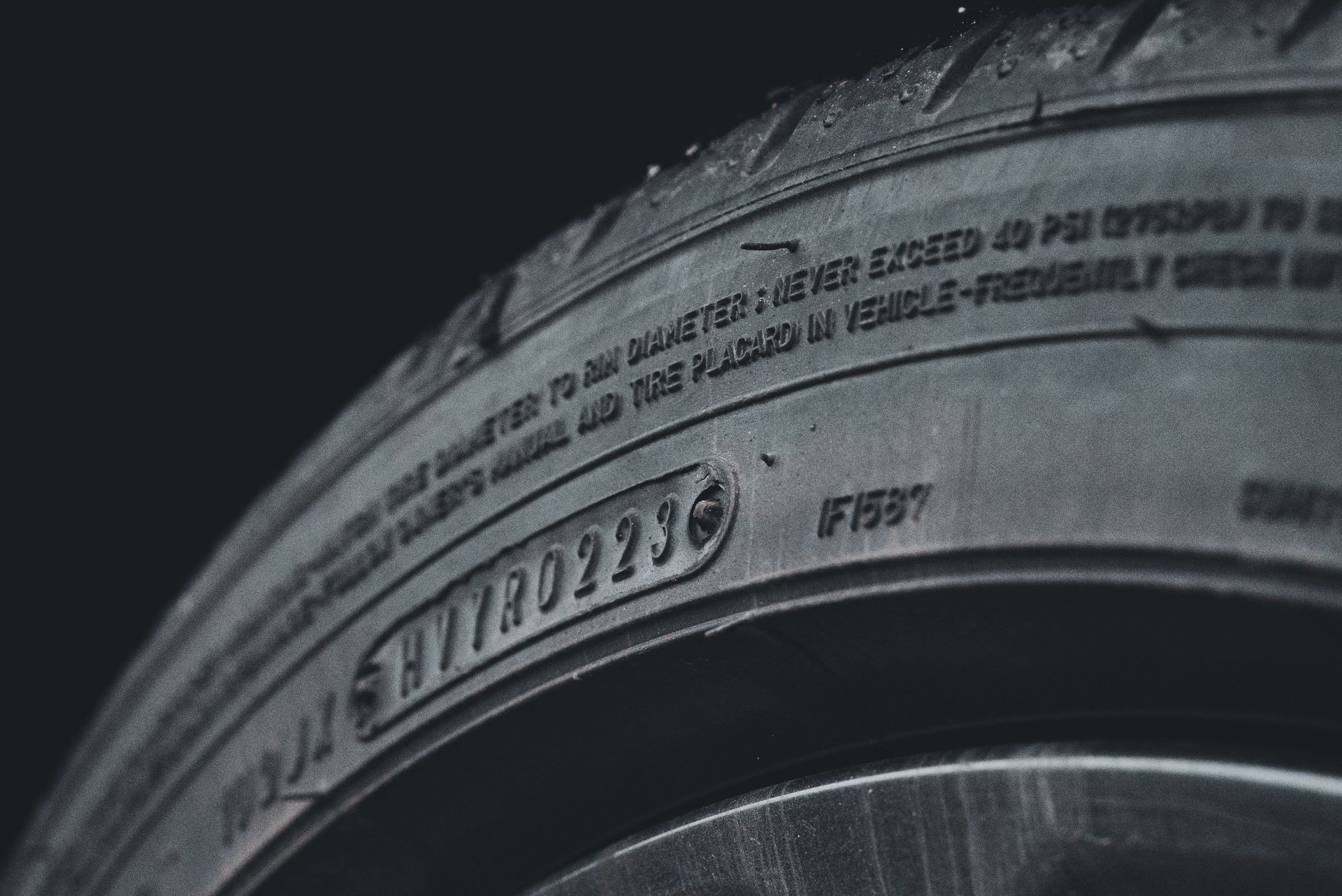
Checking the manufacturing dates of tires is crucial for ensuring safety and increasing their lifespan. Tires can degrade over time, especially if they have been stored in warehouses for an extended period. In Arizona's heat, the rubber in tires can deteriorate more quickly. The Department of Transportation (DOT) code on the side of each tire indicates the week and year of manufacture. Experts recommend not purchasing tires that are more than six years old. Although there are no specific laws or regulations in Arizona regarding the sale of older tires, it is essential to check the dates to avoid purchasing tires that may already be nearing their expiration date.
Regularly checking the tread depth and maintaining proper inflation can also help prolong the life of tires in Phoenix. Tires that are properly inflated have better fuel efficiency, improved traction, and increased durability. Under inflated tires can cause uneven wear and reduce their lifespan, while overinflated tires can lead to a harsher ride and potential damage. It is recommended to check the tire pressure at least once a month, using a reliable tire gauge, and inflate the tires to the manufacturer's recommended levels. This simple maintenance task can significantly contribute to prolonging the life of your tires in Phoenix.
Benefits of Regular Tire Maintenance:
- Increased safety on the road by improving traction and handling
- Optimal fuel efficiency by reducing rolling resistance
- Extended tire lifespan and cost savings by avoiding premature wear
- Improved vehicle performance and comfort
In addition to checking the manufacturing dates and maintaining proper inflation, it is also important to regularly inspect your tires for any signs of damage or wear. Look for any bulges, cracks, or punctures that could compromise the tire's integrity. Uneven wear patterns may indicate improper tire alignment or suspension issues, which should be addressed promptly to prevent further damage. By taking proactive measures and prioritizing tire maintenance in Phoenix , you can maximize the lifespan of your tires, ensure optimal performance, and contribute to a safer driving experience.
| Tire Maintenance Tips | Frequency |
|---|---|
| Check tire pressure | At least once a month |
| Tire rotation | Every 6,000 to 8,000 miles or as recommended by the vehicle manufacturer |
| Wheel alignment | Annually or if you notice uneven tire wear |
| Tire balancing | Along with tire rotation or as recommended by the vehicle manufacturer |
| Tire inspection | Regularly, visually check for damage or signs of wear |
Ideal tire types for different seasons in Arizona
When it comes to choosing the ideal tire types for different seasons in Arizona, it's important to consider the specific weather conditions and road conditions in each region. Having the right tires can not only improve your vehicle's performance but also maximize tire longevity and durability.
Summer Tires
For the hot and dry climate of Phoenix, summer tires are highly recommended. These tires are specifically designed to handle high temperatures and provide optimal grip on hot pavements. With shallower treads, they can effectively push away water during light rain, ensuring better traction on both wet and dry surfaces. Summer tires are suitable for high-speed vehicles and perform exceptionally well in temperatures above 110 degrees.
All-Season Tires
Areas in Arizona with normal seasonal patterns, where snowfall is moderate and temperatures don't drop below 45 degrees, are well-suited for all-season tires. These tires are designed to provide good traction on both dry and wet roads. They offer a versatile balance between performance and longevity, making them a popular choice for many drivers in Phoenix.
All-Terrain Tires
Off-road enthusiasts and SUV owners who frequently drive on rough terrains can benefit from all-terrain tires. These tires are specifically engineered to provide durability and traction in challenging off-road conditions. With their aggressive tread patterns and reinforced sidewalls, all-terrain tires can handle a variety of terrains while providing a longer lifespan compared to other tire types.
Winter Tires
In areas of Arizona that experience snowfall, such as Flagstaff and Prescott, winter tires are essential for safe driving in cold and snowy conditions. Winter tires are designed with unique rubber compounds and tread patterns that enhance traction on icy and snowy roads. They provide superior grip and perform well in temperatures below 45 degrees, ensuring stability and control during winter months.
| Tire Type | Season | Features |
|---|---|---|
| Summer Tires | Hot and dry climate (e.g., Phoenix) | Optimal grip on hot pavements, shallower treads, good traction on wet and dry roads, suitable for high-speed vehicles |
| All-Season Tires | Normal seasonal patterns, moderate snowfall, temperatures above 45 degrees | Good traction on dry and wet roads, versatile balance between performance and longevity |
| All-Terrain Tires | Off-road driving, rough terrains, SUVs | Durable, aggressive tread patterns, reinforced sidewalls, suitable for various terrains |
| Winter Tires | Snowy conditions, temperatures below 45 degrees | Enhanced traction on icy and snowy roads, superior grip, stability and control in winter months |
Choosing the right tire type for each season in Arizona is crucial for ensuring optimal performance and safety. By selecting the appropriate tires based on the specific weather and road conditions, you can maximize tire longevity and durability, providing a safer and more enjoyable driving experience throughout the year.
Conclusion
In conclusion, tires in Phoenix typically last around 3-4 years or 40,000 miles due to the hot and dry weather, rough road conditions, and high temperatures. The rubber compounds in tires degrade faster in this area compared to other regions. It is important to regularly check your tires and replace them if they are worn down below 2/32" of their tread depth to ensure optimal performance and safety.
Taking proper care of your tires can help extend their lifespan. Regular tire maintenance, such as rotations, balancing, and checking tire pressure, is crucial. It is also recommended to check the manufacturing dates when purchasing tires and avoid buying ones that are already nearing their expiration date. By implementing these maintenance practices, you can maximize the longevity of your tires in Phoenix.
Choosing the right tire type for different seasons is also important. Summer tires are designed for hot climates and provide optimal grip on dry and wet roads. All-season tires are suitable for areas with normal seasonal patterns, while all-terrain tires are ideal for off-road driving. Winter tires are necessary for areas that experience snow. By using the appropriate tire type for each season, you can ensure safer driving and prolong the life of your tires.
By considering these factors and implementing good tire maintenance practices, drivers in Phoenix can maximize the lifespan and durability of their tires, ensuring a safer and more enjoyable driving experience. Remember to regularly inspect your tires, maintain proper inflation, and choose the appropriate tire type for the weather and road conditions. Keep these tips in mind to make the most out of your tires in Phoenix and throughout Arizona.
Contact LugWrench Heroes Mobile Tire Shop for help with tires if you are in the Phoenix, AZ metro area. We offer reliable mobile tire service!
FAQ
How long should tires last in Phoenix?
Tires in Phoenix typically last around 3-4 years or 40,000 miles.
What factors affect tire lifespan in Arizona?
The hot and dry weather, rough road conditions, and high temperatures in Phoenix can cause tires to degrade faster. Regular maintenance, proper inflation, and careful driving can help extend tire lifespan.
What are the best tires for Phoenix's driving conditions?
Summer tires are recommended for hot climates like Phoenix, all-season tires are suitable for areas with normal seasonal patterns, all-terrain tires are ideal for off-road driving, and winter tires are necessary for snowy conditions in areas like Flagstaff and Prescott.
Why is it important to check tire manufacturing dates?
Tires can degrade over time, especially in Arizona's heat. Checking the manufacturing dates helps ensure safety and avoid purchasing tires that may already be nearing their expiration date.
What are the ideal tire types for different seasons in Arizona?
Summer tires are recommended for hot climates, all-season tires are suitable for normal seasonal patterns, all-terrain tires are ideal for off-road driving, and winter tires are necessary for snowy conditions.