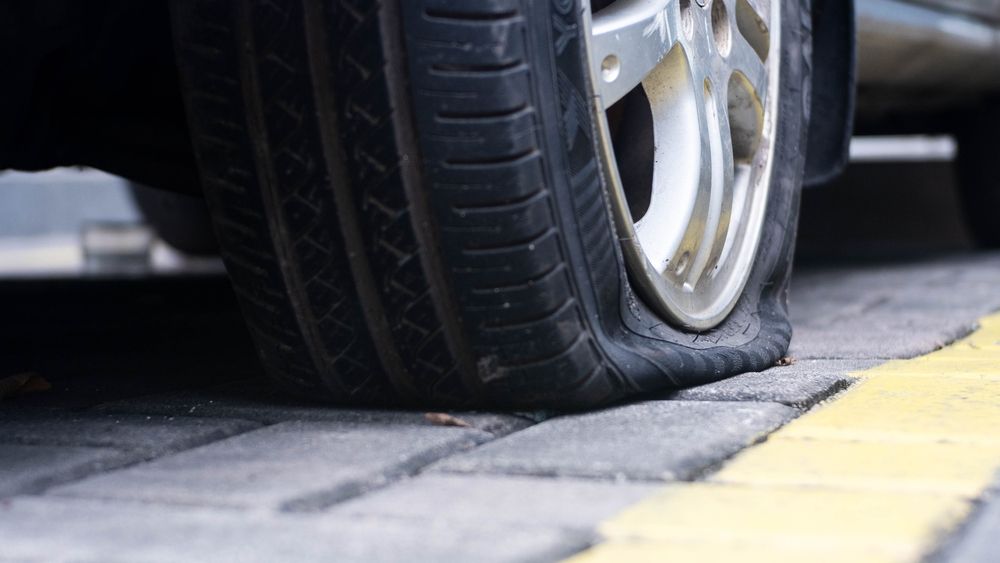


When your car sits unused for an extended period, it's important to consider the impact on your tires. Neglecting tire maintenance during prolonged inactivity can lead to various problems, including flat spotting, tire bubbles, and deterioration.
Flat spotting, which causes vibrations while driving, can occur in as little as thirty days of inactivity. Tire bubbles, which can be a safety hazard and increase the risk of a blowout, can also develop. Additionally, extended periods of inactivity can lead to tire deterioration and dry rot due to the weight of the vehicle and exposure to the sun.
Key Takeaways:
- Neglecting tire maintenance during prolonged inactivity can result in flat spotting, tire bubbles, and deterioration.
- Flat spotting, causing vibrations while driving, can occur within thirty days of inactivity.
- Tire bubbles can be dangerous and increase the risk of a blowout.
- Extended periods of inactivity can lead to tire deterioration and dry rot.
Why is tire maintenance important when a car is not in use?
Tire maintenance plays a vital role in ensuring the longevity and performance of your tires, even when your car is not in use. Neglecting tire maintenance during periods of inactivity can lead to various issues, including tire aging , tire rot , and deterioration. To avoid these problems, it is essential to prioritize proper tire care and storage. At Lug Wrench heroes our tire specialists in the Phoenix, Scottsdale, and Tempe area can help you if you need new tires.
Unused tires are prone to developing flat spots, becoming heavily deflated, warped, or even rotten. Over time, the compounds within the tires can degrade, leading to dry rotting and cracking. This deterioration can compromise the structural integrity of the tires and pose safety risks when they are eventually used again.
To prevent these issues, regular tire maintenance is crucial. Start by checking the air pressure in your tires regularly, as low or fluctuating pressure can accelerate tire aging and deterioration. Rolling your vehicle in the driveway periodically helps prevent flat spots from forming, as the constant movement disperses the weight and pressure on the tires. Additionally, using tire covers to protect against weather conditions and UV damage can significantly extend their lifespan.
By implementing these preventive measures, you can mitigate the risks associated with tire aging and ensure that your tires remain in optimal condition, even during extended periods of inactivity. Remember that seeking professional help for tire maintenance and inspections is always recommended to ensure safe driving conditions and to address any potential tire-related concerns.
How can you prevent tire problems when a car sits unused?
Tire maintenance is essential to prevent problems caused by prolonged inactivity. By following these steps, you can help ensure your tires stay in good condition even when your car is not being used:
- Regularly check tire pressure: Even when a vehicle is not in use, tire pressure can decrease over time. Use a tire pressure gauge to check the air pressure and add air as necessary to maintain the recommended levels.
- Roll the vehicle: If your car is parked for an extended period, roll it back and forth in the driveway every few weeks. This helps prevent flat spots from forming on the tires, which can cause vibrations while driving.
- Use jack stands: To alleviate some of the weight on the tires, consider using jack stands or a similar device to lift part of the car off the ground. This can help prevent faster tire deterioration.
- Inspect for signs of deterioration: Regularly inspect the tires for any signs of deterioration, such as discoloration, cracking, flaking, or bulging. If you notice any of these issues, it may be time to replace the tires.
- Invest in tire covers: Protect your tires from excessive exposure to the elements by using tire covers. They can shield the tires from sunlight, rain, and other environmental factors that can contribute to aging and deterioration.
By following these preventive measures, you can help prolong the lifespan of your tires and ensure they are in optimal condition when you're ready to hit the road again.
Table: Tire Maintenance Checklist
| Task | Frequency |
|---|---|
| Check tire pressure | Every 2 weeks |
| Roll the vehicle | Every 2 weeks |
| Use jack stands | When parked for extended periods |
| Inspect for signs of deterioration | Every month |
| Invest in tire covers | When parked outdoors |
Can tires develop flat spots in a short period of time?
Flat spots on tires can develop in as little as thirty days of inactivity. When a car sits unused for an extended period, the weight of the vehicle compresses the tires against the flat ground, creating rigid areas that damage tire functionality. Along with the weight of the car, temperature fluctuations also contribute to the development of flat spots as they cause changes in air pressure within the tires. These flat spots can cause vibrations while driving and make steering difficult, compromising the overall performance and safety of the vehicle.
To prevent flat spots, it is important to regularly inspect and address the issue if your car has been sitting idle for some time. One way is to roll the vehicle in the driveway to prevent the tires from remaining stationary in one position for too long. This helps distribute the weight across different areas of the tire, reducing the likelihood of flat spots forming. Additionally, checking and adjusting tire pressure to the manufacturer's recommended levels can help minimize the risk of flat spots. Maintaining proper tire inflation ensures that the tires are better equipped to handle the weight of the vehicle.
In cases where flat spots have already developed, you may be able to remedy the issue by driving the car for a sufficient period. The movement and friction generated while driving can help reshape the tires and reduce the flat spots. However, severe flat spotting may require professional intervention or even tire replacement. It's crucial to address the issue promptly to prevent further damage and maintain optimal tire performance.
| Causes | Prevention | |
|---|---|---|
| Weight of the Vehicle | The weight of the car compresses the tires against the ground, creating flat spots. | Rolling the vehicle regularly and using tire covers to distribute weight and protect against excessive exposure |
| Temperature Fluctuations | Changes in temperature lead to changes in air pressure within the tires, contributing to flat spot development. | Checking and adjusting tire pressure to recommended levels can help minimize the risk of flat spots. |
Do Different Tire Types Have Different Flat Spot Tendencies?
When it comes to tire maintenance, it's important to consider the potential for flat spots, especially when a car sits unused for an extended period. But do different tire types have varying tendencies to develop flat spots? Let's take a closer look at the characteristics of different tire types and their susceptibility to flat spotting.
Radial Tires vs. Bias-Ply Tires
Modern radial tires are less likely to develop flat spots compared to older bias-ply tires. Radial tires have steel belts under the tread, which helps maintain tire shape and minimize the formation of flat spots. On the other hand, bias-ply tires have plies that run diagonally across the tire, making them more prone to developing flat spots over time.
Tread Thickness and Tire Composition
Tire types with thicker tread or made of softer compounds may also be more susceptible to flat spotting. Thicker tread provides more cushioning, reducing the likelihood of flat spots. Softer tire compounds, while offering better grip and traction, may be more prone to developing flat spots due to their conforming nature.
Additional Factors
It's worth noting that flat spot tendencies can be influenced by factors such as ambient temperature and tire pressure. Colder temperatures can cause tires to become stiffer, increasing the likelihood of flat spotting. Additionally, underinflated tires are more susceptible to developing flat spots compared to properly inflated ones.
Understanding the characteristics of different tire types can help you make informed decisions when it comes to tire maintenance. While modern radial tires are generally less prone to flat spotting, it's still essential to regularly check tire pressure, inspect for signs of deterioration, and take preventive measures such as rolling the vehicle or using jack stands. By staying proactive with tire maintenance, you can help minimize flat spot tendencies and ensure safer driving conditions.
Conclusion
Maintaining the health of your car tires is crucial, even when your vehicle is not in use for an extended period. Neglected tires can develop flat spots, tire bubbles, and deteriorate faster, which can lead to safety hazards on the road.
To prevent these issues and prolong the lifespan of your tires, it is important to prioritize regular tire maintenance. This includes checking the air pressure to ensure optimal performance, rolling the vehicle in the driveway to prevent flat spots, and using jack stands or similar devices to reduce tire weight and minimize deterioration.
Additionally, make it a habit to regularly inspect your tires for signs of degradation, such as discoloration, cracking, flaking, or bulging. By identifying these issues early on, you can address them promptly and avoid potential hazards while driving.
Lastly, investing in tire covers can provide protection against excessive exposure to the elements, helping to prevent premature aging and damage. To ensure the safety of yourself and your passengers, it is recommended to seek professional assistance for tire maintenance and inspections.
FAQ
How long does a car have to sit before tires go bad?
Neglecting tire maintenance can lead to problems such as flat spotting, tire bubbles, and deterioration. Flat spotting can occur in as little as thirty days of inactivity, causing vibrations while driving. Extended periods of inactivity can lead to tire deterioration and dry rot due to the weight of the vehicle and exposure to the sun.
Why is tire maintenance important when a car is not in use?
Neglected tires can develop flat spots, become heavily deflated, warped, or rotten. The compounds in tires can degrade over time, leading to dry rotting and cracking. Proper upkeep, such as regularly checking air pressure, rolling the vehicle to prevent flat spots, and using tire covers to protect against weather and UV damage, can help prolong the lifespan of tires.
How can you prevent tire problems when a car sits unused?
Regularly checking tire pressure and adding air if necessary can help maintain optimal performance. Rolling the vehicle in the driveway can prevent flat spots from forming. Using a jack stand or similar device to take some weight off the tires can help prevent faster deterioration. Regularly inspecting tires for signs of deterioration, such as discoloration, cracking, flaking, or bulging, is important. Investing in tire covers can protect against excessive exposure to the elements.
Can tires develop flat spots in a short period of time?
Flat spotting can occur in as little as thirty days of inactivity. Unused tires pressed against the flat ground can create rigid areas that damage tire functionality. It is important to address this issue as flat spots can cause vibrations while driving and make steering difficult.
Do different tire types have different flat spot tendencies?
Different tire types may have varying tendencies to develop flat spots. Some tires, particularly those with thicker tread or made of softer compounds, may be more prone to flat spotting. However, modern radial tires are less likely to develop flat spots compared to older bias-ply tires. Factors such as ambient temperature and tire pressure can also affect the likelihood of flat spots forming.
Conclusion
Maintaining tire health is crucial, even when a car is not in use for an extended period. Regular tire maintenance, including checking air pressure, rolling the vehicle, using jack stands, inspecting for signs of deterioration, and using tire covers, can help prevent tire problems and prolong tire lifespan. Seek professional help for tire maintenance and inspections to ensure safe driving conditions.