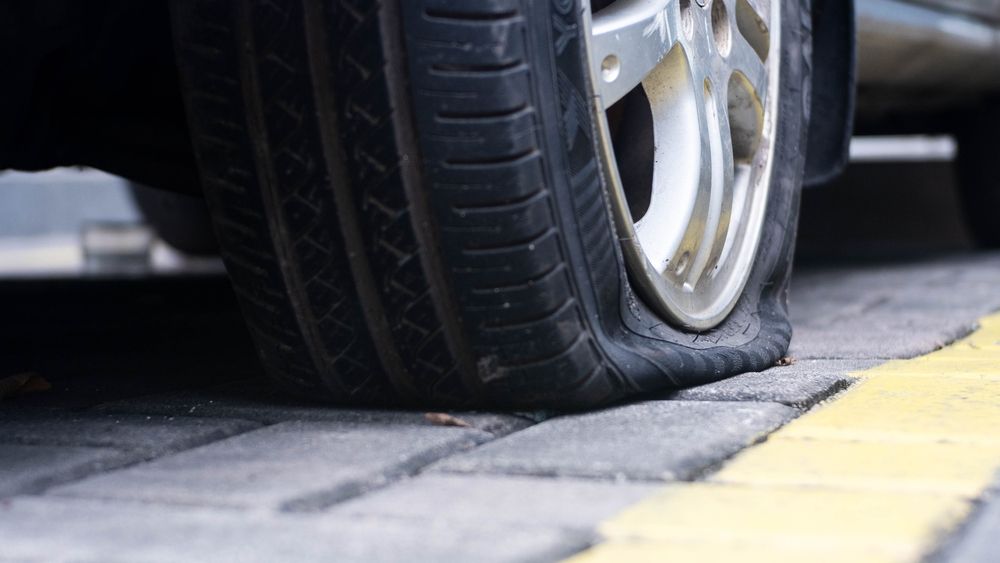


Tires are an essential component of your vehicle and ensuring their proper maintenance and replacement is crucial for your safety and the performance of your vehicle. But how often do you actually need to replace your tires in Phoenix? Factors such as climate, road conditions, and tire maintenance all play a role in determining the lifespan of your tires in this particular region. In this article, we will explore the frequency of tire replacement in Phoenix and provide you with helpful information to make informed decisions about your tires.
Key Takeaways:
- The climate in Phoenix can impact the lifespan of your tires due to extreme heat and UV exposure.
- Rough and poorly maintained roads in Phoenix can contribute to accelerated tire wear.
- Proper tire maintenance, including regular rotations, alignments, and inspections, can help extend tire life.
- Signs that indicate it's time for tire replacement include worn-out tread depth, visible cracks or bulges, frequent punctures, and uneven wear.
- Choosing the right tires for Phoenix's unique driving demands is essential for optimal performance and safety.
Tire Replacement Frequency in Phoenix: Understanding the Climate Impact
The climate in Phoenix has a significant impact on the lifespan of your tires. The extreme heat in the region can cause the rubber compounds in tires to degrade faster, leading to reduced durability and performance. The prolonged exposure to UV radiation from the sun can also result in tire sidewall degradation. Additionally, the road conditions in Phoenix, including rough and poorly maintained roads, can contribute to accelerated tire wear. Understanding these climate-related factors is crucial in determining the frequency of tire replacement in Phoenix.
The Heat Factor and Your Tires:
The scorching heat in Phoenix takes a toll on your tires. The excessive heat causes the rubber compounds to break down quickly, leading to premature tire wear. When tires become worn, your vehicle's handling and performance may be compromised, putting your safety at risk. It is essential to monitor your tire's tread depth and replace them when they wear beyond the recommended threshold.
UV Exposure and Tire Sidewall Degradation:
Phoenix's abundant sunshine exposes your tires to harmful UV radiation. Over time, exposure to UV rays can lead to tire sidewall degradation, making them more susceptible to cracking and damage. Regularly inspecting your tires for cracks or bulges and replacing them promptly can help ensure your safety on the road.
Phoenix's Road Conditions and Tire Durability:
The road conditions in Phoenix can be challenging for tires. Rough surfaces, potholes, and debris on the road can accelerate tire wear and increase the chances of tire damage. Regularly checking your tires for any signs of wear and tear caused by road conditions and replacing them when necessary will help maintain optimal tire performance and safety.
Maintaining Your Tires for Longer Life in Phoenix
Proper tire maintenance is essential for maximizing the lifespan of your tires in Phoenix. By following a tire maintenance schedule and implementing best practices for tire care, you can significantly extend the life of your tires and ensure optimal performance and safety on the road.
Here are some important tire maintenance tips to keep in mind:
- Regular tire rotations: Rotate your tires regularly to ensure even tire wear. This helps prevent premature replacement and extends the lifespan of your tires.
- Wheel alignments and balancing: Regular wheel alignments and balancing can help maintain proper tire alignment and balance. This reduces uneven tire wear and extends tire life.
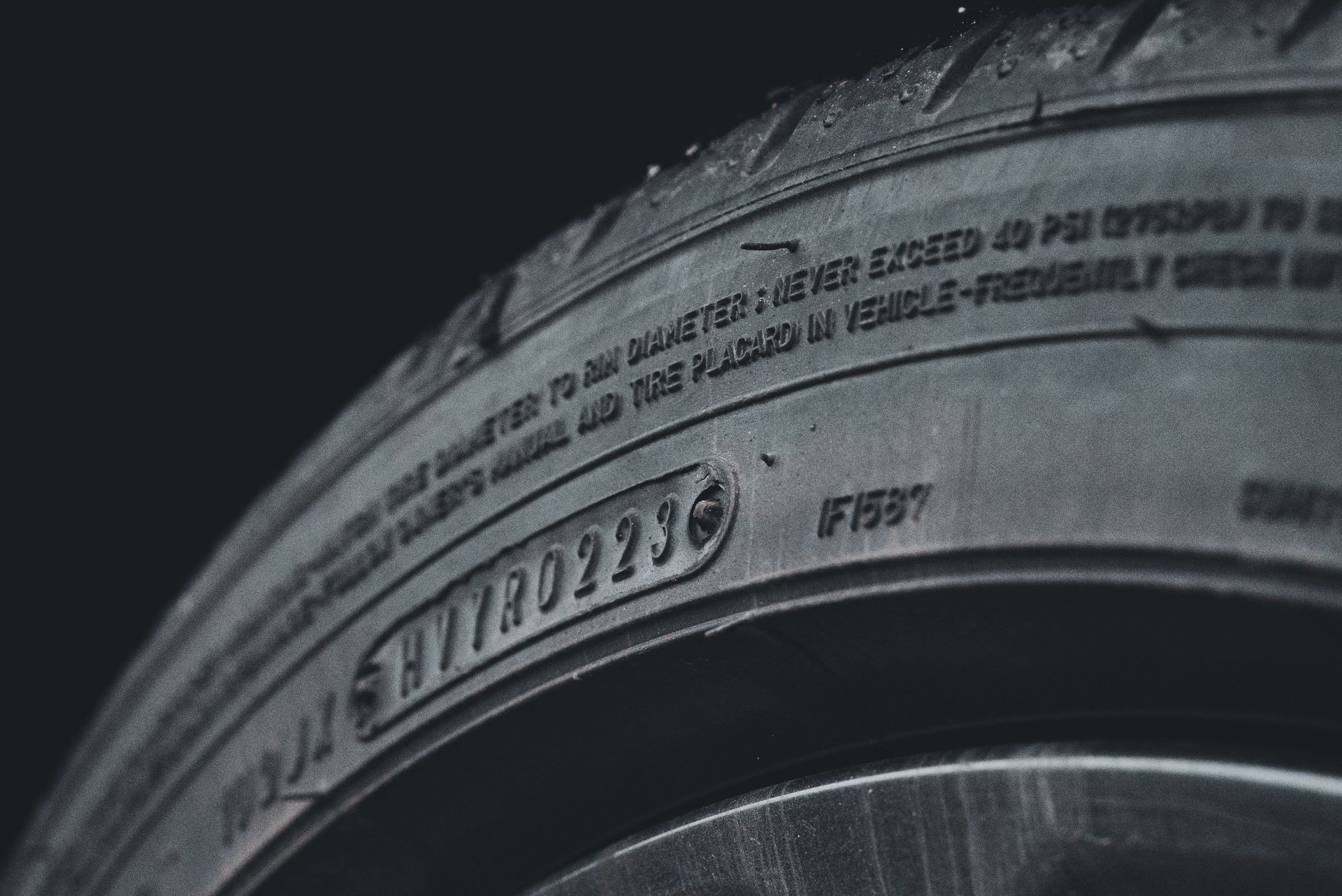
- Maintain recommended tire pressure: It is crucial to maintain the recommended tire pressure to prevent underinflation or overinflation. Incorrect tire pressure can lead to uneven tire wear and decrease tire lifespan.
- Inspect your tires regularly: Regularly inspect your tires for any signs of damage or wear. Look for cuts, bulges, or uneven tread wear. Address any issues promptly to prevent further damage and ensure tire longevity.
By following these tire maintenance tips and incorporating them into your routine, you can maximize the life of your tires in Phoenix and ensure safe and efficient driving.
How often do you need to replace tires in Phoenix?
In Phoenix's unique conditions, the average lifespan of tires typically ranges from 3 to 4 years or approximately 40,000 miles. However, it's important to remember that several signs indicate when it's time to replace your tires. Pay attention to the following signs:
- Worn-out tread depth: Check your tire's tread depth regularly. If the tread is worn down to 2/32 of an inch or less, it's time for replacement.
- Visible cracks or bulges on the tire sidewall: Inspect your tires for any signs of cracking or bulging on the sidewall. These can indicate structural damage and require immediate replacement.
- Frequent tire punctures: If you find yourself dealing with frequent tire punctures, it may be a sign that your tires are no longer able to provide proper protection and should be replaced.
- Uneven tire wear: Uneven wear patterns on your tires can indicate alignment issues or improper inflation. If you notice significant uneven wear, it's time to replace your tires.
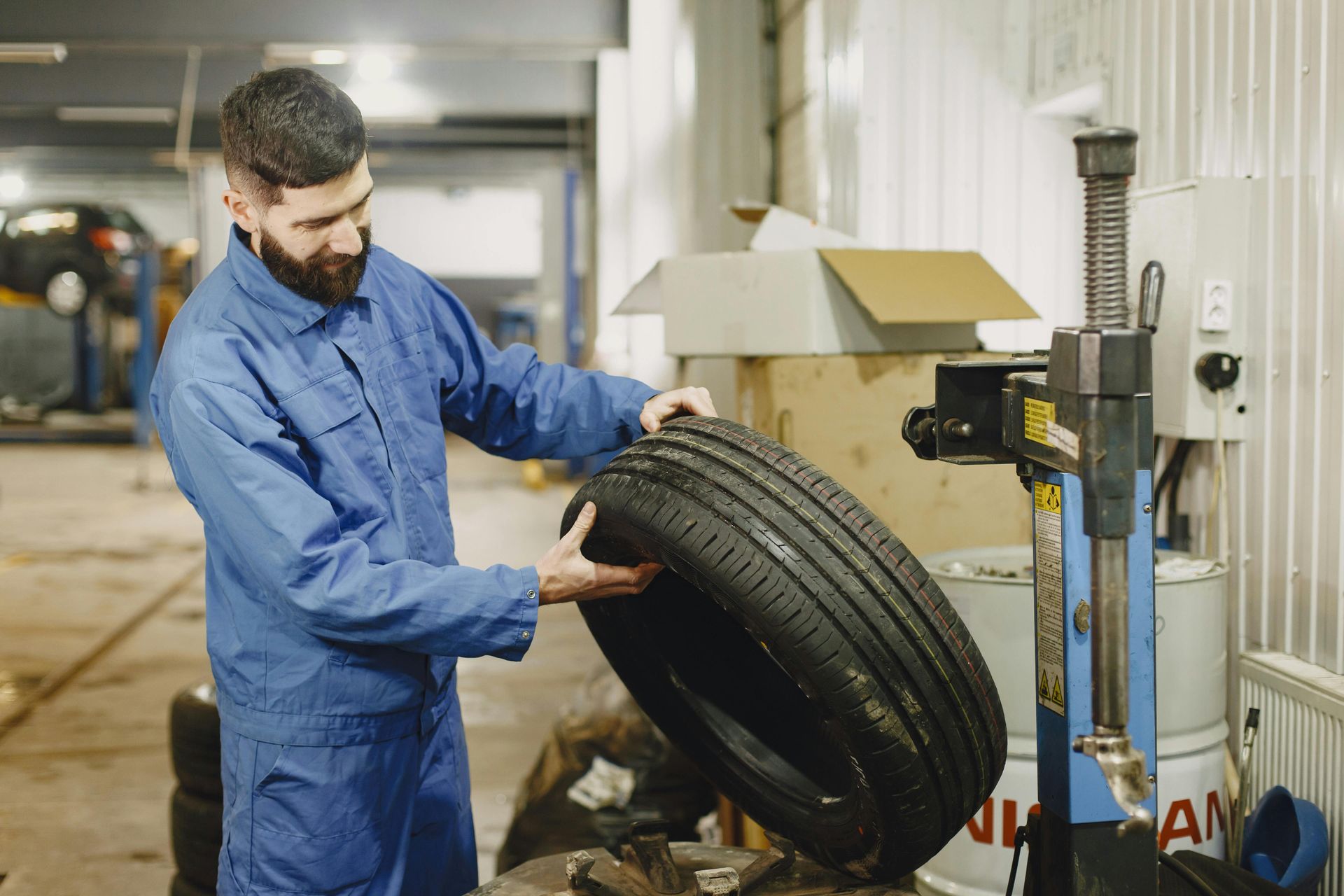
To maximize the life of your tires and ensure optimal performance and safety, it's recommended to work with professionals for regular tire maintenance. Professional maintenance services can include tire rotations, wheel alignments, and balancing, which help promote even tire wear. By following these practices, you can extend the lifespan of your tires and enjoy a smooth and safe driving experience in Phoenix.
Choosing the Right Tires for Phoenix's Driving Demands
Selecting the right tires for Phoenix's unique driving demands is crucial for optimal performance and safety. When choosing tires, consider factors such as the climate, road conditions, and your specific driving needs.
For the extreme heat of Phoenix, summer tires are designed to provide excellent grip on both dry and wet roads, ensuring enhanced safety during hot weather conditions. If you encounter moderate snow and light rain, all-season tires offer versatility and are suitable for year-round driving in Phoenix.
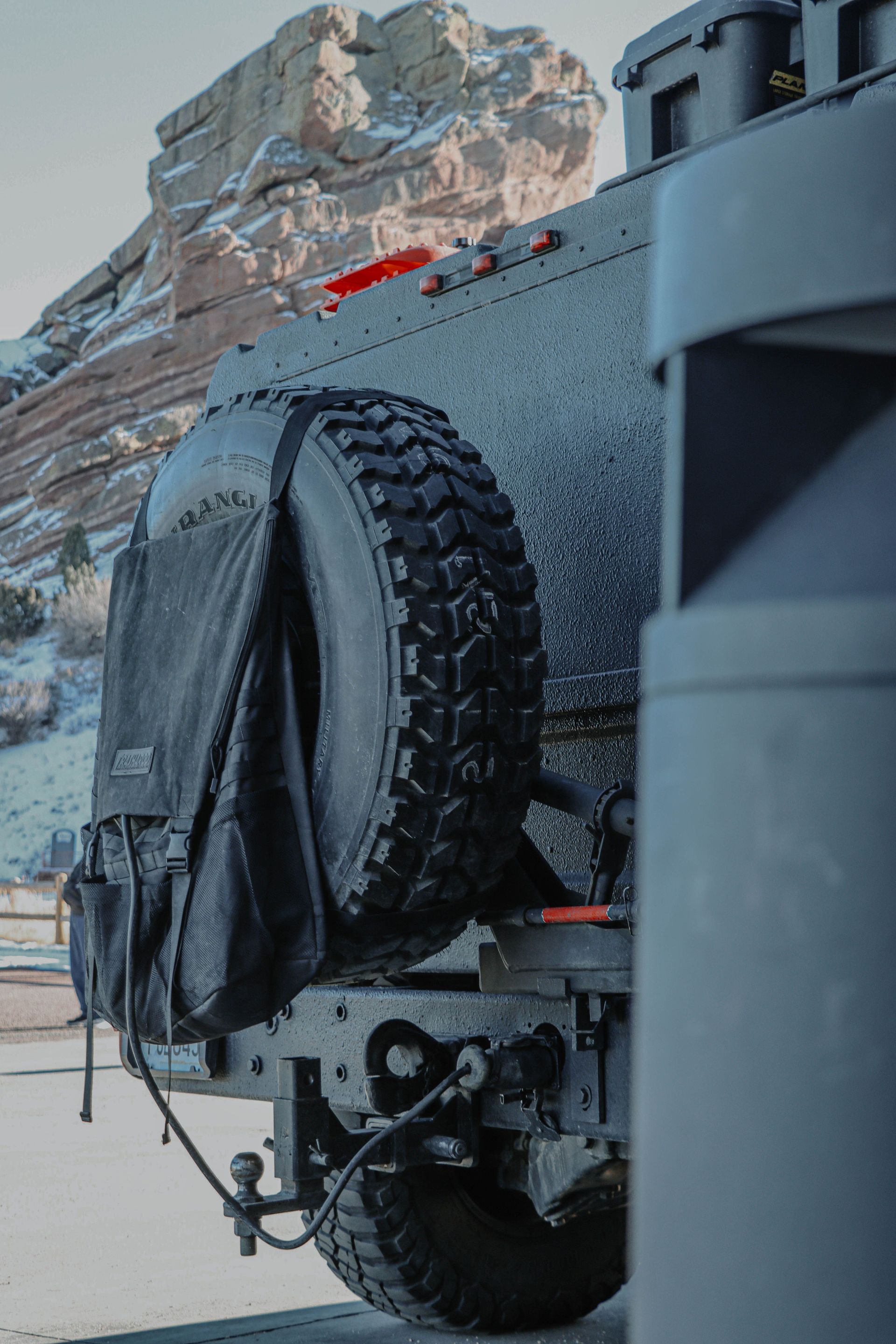
For off-road driving and rough terrains, all-terrain tires are ideal, providing the necessary durability and traction. In areas with heavy snowfall, winter tires are a must to ensure maximum safety and control.
Consulting with tire experts like our team at LugWrench Heroes who are familiar with the unique driving conditions in Phoenix can provide valuable guidance. Additionally, carefully considering tire specifications and ratings can help you make informed decisions and choose the most suitable tires for your vehicle and driving needs.
Conclusion
The Importance of Staying Informed on Tire Health
Being knowledgeable about tire wear and maintenance is crucial for the safety and longevity of your tires in Phoenix. By understanding the impact of the climate, road conditions, and tire maintenance on tire lifespan, you can make informed decisions about when to replace your tires.
Regular maintenance and proper tire care play a significant role in extending the life of your tires. Scheduling regular tire rotations, wheel alignments, and balancing can ensure even wear and prevent premature replacement. Also, don't forget to regularly inspect your tires for signs of damage or wear.
Making the Right Tire Choices for Safety and Efficiency
Selecting the right tires for Phoenix's unique driving demands is essential for optimum performance and safety. Take into consideration factors such as the climate, road conditions, and your specific driving needs when choosing tires. Summer tires are designed to handle the extreme heat, providing excellent grip on dry and wet roads. All-season tires are versatile and suitable for moderate snow and light rain.
By staying informed and making the right tire choices, you can ensure the safety and efficiency of your vehicle on Phoenix's roads. Remember, your tires are the only contact point between your vehicle and the road, so investing in quality tires that are appropriate for your driving environment is essential.
FAQ
How often do you need to replace tires in Phoenix?
The average lifespan of tires in Phoenix's unique conditions is typically around 3-4 years or 40,000 miles. However, several signs indicate it's time for tire replacement. These signs include worn-out tread depth, visible cracks or bulges on the tire sidewall, frequent tire punctures, and uneven tire wear.
What factors impact the frequency of tire replacement in Phoenix?
The climate, road conditions, and tire maintenance all play a role in determining the lifespan of your tires in Phoenix. The extreme heat in the region can cause the rubber compounds in tires to degrade faster, leading to reduced durability and performance. The prolonged exposure to UV radiation from the sun can also result in tire sidewall degradation. Additionally, the rough and poorly maintained roads in Phoenix can contribute to accelerated tire wear.
How can I maximize the lifespan of my tires in Phoenix?
Proper tire maintenance is essential for maximizing the lifespan of your tires in Phoenix. Regular tire rotations, wheel alignments, and balancing can help ensure even tire wear and prevent premature replacement. Maintaining the recommended tire pressure is crucial to prevent underinflation or overinflation, which can lead to uneven tire wear. Inspecting your tires regularly for any signs of damage or wear is also important. Following a tire maintenance schedule and implementing best practices for tire care can significantly extend the life of your tires.
What are the best tires for Phoenix's driving demands?
When choosing tires for Phoenix, consider factors such as the climate, road conditions, and your specific driving needs. Summer tires are designed to handle the extreme heat of Phoenix and provide excellent grip on both dry and wet roads. All-season tires are versatile and suitable for moderate snow and light rain. All-terrain tires are ideal for off-road driving and rough terrains. Winter tires are necessary for areas with heavy snowfall. Consulting with tire experts and considering the tire specifications and ratings can help you make informed decisions.
Why is it important to stay informed about tire health and make the right tire choices in Phoenix?
Staying informed about tire health and maintenance is crucial for the safety and longevity of your tires in Phoenix. Understanding the impact of the climate, road conditions, and tire maintenance on tire lifespan can help you make informed decisions about tire replacement. Regular maintenance and proper tire care can significantly extend the life of your tires. Choosing the right tires for Phoenix's driving demands is essential for optimal performance and safety.