

Did you know the average driver in the United States changes their tires every 50,000 miles? This might seem like a lot, but it's key for safety and performance. Knowing when to replace tires and spotting wear signs can help a lot.
Key Takeaways
- The average tire lifespan is about 50,000 miles.
- Regular inspections are essential to identify tire wear indicators.
- Factors like driving habits and road conditions affect tire replacement frequency.
- Proper tire maintenance can extend the lifespan of your tires.
- Knowing when to change tires can prevent safety hazards.
Tire Replacement Frequency and Lifespan
Knowing when to replace your tires is key. It depends on the tire's tread depth, age, and the environment. These factors affect how long your tires last and how well they perform.
Tire Tread Depth and Safety: For safe driving, tires must have at least 2/32 inches of tread. If the tread gets lower than this, the tire can't grip the road well. This increases the chance of accidents.
Tools like tread wear indicators and the penny test help check tread depth. If the tread is too low, stopping on wet roads becomes much harder. This is very dangerous for everyone in the car.
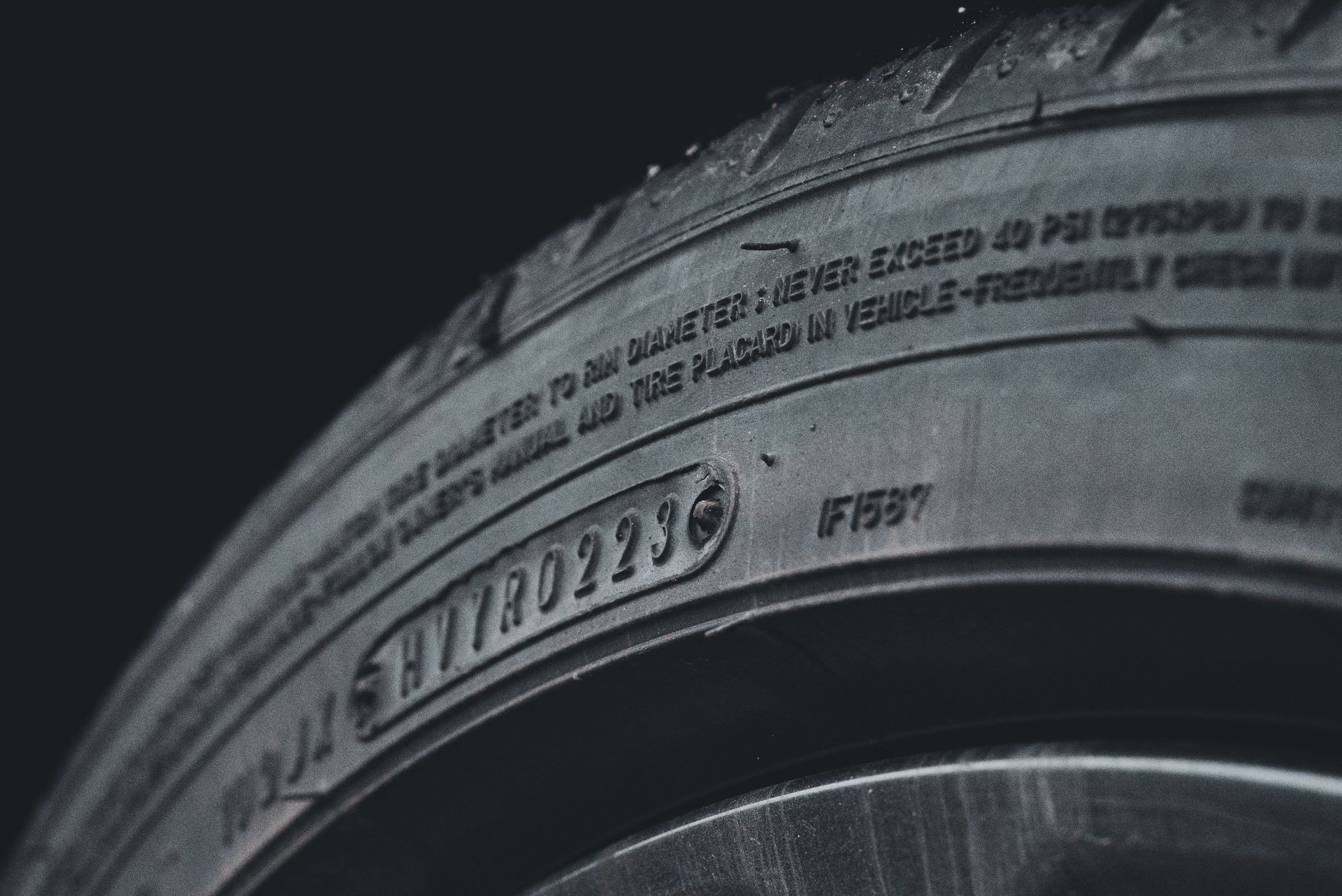
Tire Age and Environmental Factors: Tires get worse over time, even if they're not driven much. Extreme temperatures and sun can make them wear out faster. It's recommended to replace tires that are over ten years old.
Storing tires properly can help slow down aging. But, it's important to keep an eye on them closely.
Telltale Signs of Worn-Out Tires: Look out for worn tread, cracks, and bulges on the sidewall. If your car stops farther than usual or doesn't push water away in the rain, your tires are wearing out. Regular checks and paying attention to how your car handles can help keep you safe.
How often should tires be replaced?
Keeping up with a tire maintenance schedule is key for safety and performance. Many drivers wonder how often they should replace their tires. The answer depends on driving habits, road conditions, and the tire's quality.
Most tires are made to last 50,000 to 60,000 miles. But, it's important to check your tires often for wear or damage. Things like temperature changes, road debris, and misalignment can wear them down faster.
It's also important to follow a tire maintenance schedule. This not only keeps your tires in top shape but also makes them last longer.
Conclusion
Knowing when to replace tires is key for safety, performance, and saving money. The frequency of tire replacement varies based on driving habits, tire quality, and road conditions. Most tires should be replaced every 6 years, but checking them regularly can give a better idea of when to do so.
For all drivers, understanding when to replace tires is critical. Keeping up with tire maintenance, like checking tread and pressure, can make tires last longer. Also, knowing the signs of tire aging helps replace them on time, avoiding safety risks.
In short, knowing when to replace tires is more than just following the manufacturer's advice. It's about being proactive for your vehicle's safety and performance. Regular checks and careful driving can help you get the most from your tires, ensuring a safe and smooth ride.