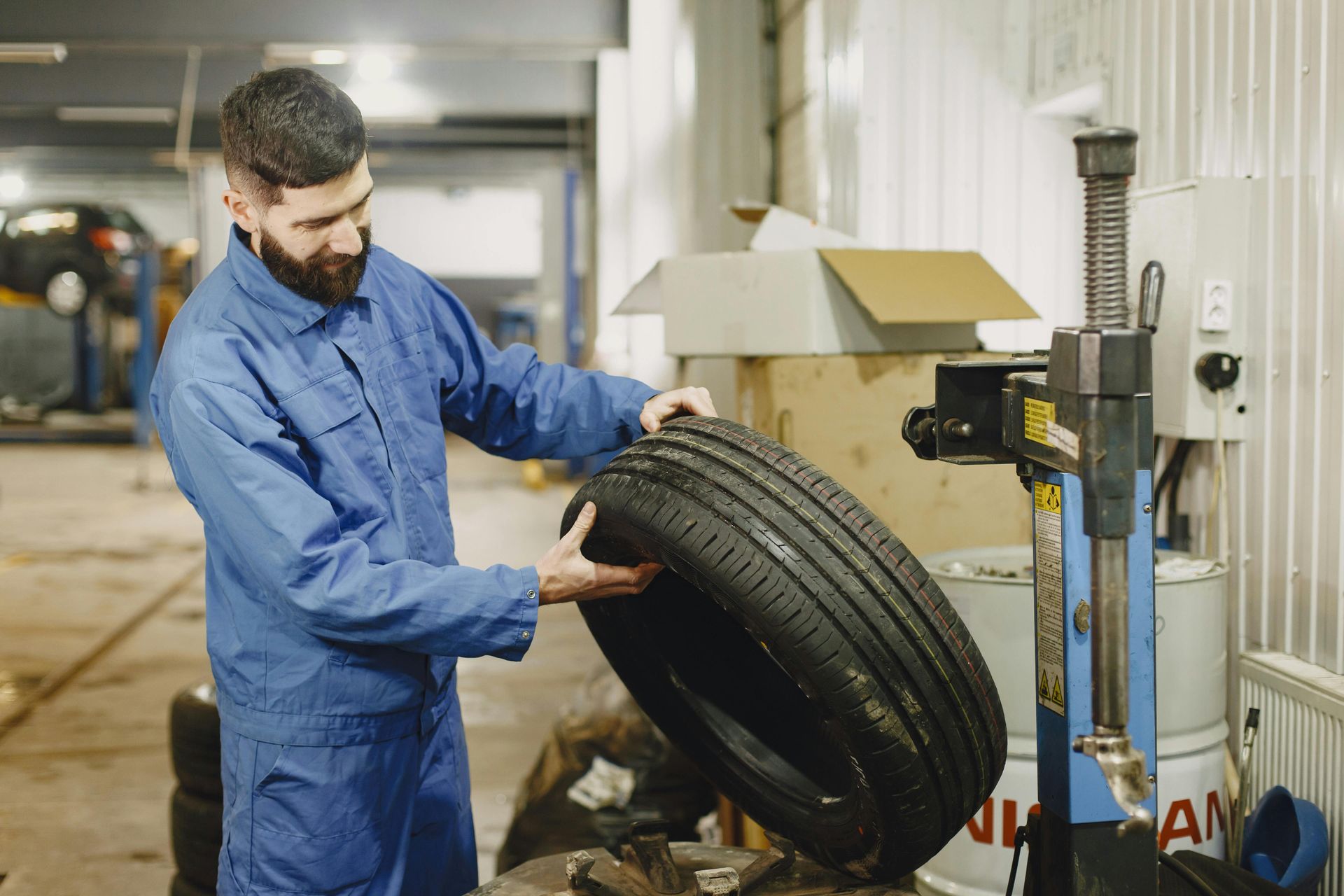


Every 12 minutes, someone gets hurt in a car accident caused by tire issues. This fact highlights how vital it is to know what type of location you need to change a tire . Picking the right place in an emergency tire change is crucial. It can mean getting back on the road quickly or facing more danger. Instead of just looking for a 'tire change location near me', it's important to know the safe tire changing procedures when you have a flat tire on the road's side.
Key Takeaways
- Know the essentials for a proper and safe tire changing location.
- Emergency tire replacement requires careful spot selection away from traffic.
- Level ground is non-negotiable for safety and vehicle stability during a change.
- Visibility is critical - choose spots that are visible to oncoming traffic.
- Regular maintenance and preparedness ensure quick response to tire emergencies.
- Always prioritize personal safety over the urgency of a tire change.
Essentials for Changing a Tire
Being prepared for tire emergencies means knowing what you need. You should have the right tools and knowledge to change a tire. It's vital to keep these items in your vehicle. Check them regularly to make sure you're ready for any tire issues.
Items Provided with Your Vehicle
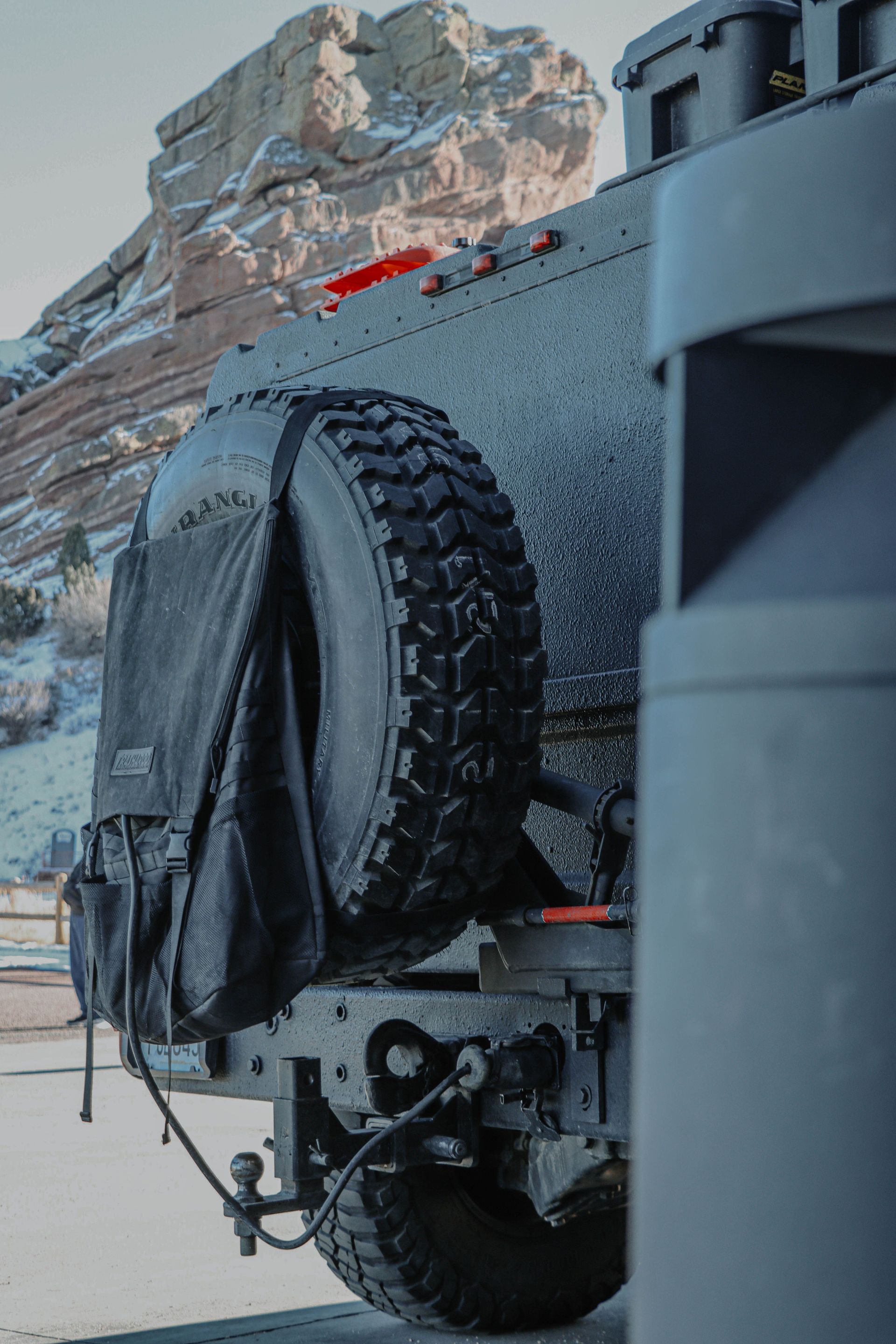
Vehicles come with basic tire change equipment. This includes a jack, a lug wrench, and a spare tire. Don't forget the owner's manual; it has step-by-step instructions for changing a tire. These items are made to fit your car and help you handle flat tires.
- Jack: To lift and hold the vehicle safely off the ground.
- Lug Wrench: To remove and secure the wheel nuts.
- Spare Tire: A temporary solution to get you to the nearest convenient tire changing location.
- Owner’s Manual: Contains specific instructions tailored to your vehicle model.
Make sure you have all these items in your car. They should be in good working order and easy to find. Regularly inspecting your tire can help you avoid trouble on the road.
Additional Supplies for Tire Change Preparedness
There are extra supplies that can help during a tire change. These items can make the process safer and easier. You'll be ready for tire emergencies, no matter the situation.
- A sturdy flashlight with spare batteries, crucial for night-time or low-light conditions.
- Reflective rain poncho to stay dry and visible to other traffic during inclement weather.
- Wheel wedges to prevent the vehicle from rolling.
- Durable gloves for grip and hand protection.
- A piece of 2"x6” wood to provide a solid base for the jack on soft ground.
Having these supplies can make changing a tire easier. They are important to have for any tire emergency.
Checking Your Gear: Spare Tire Maintenance
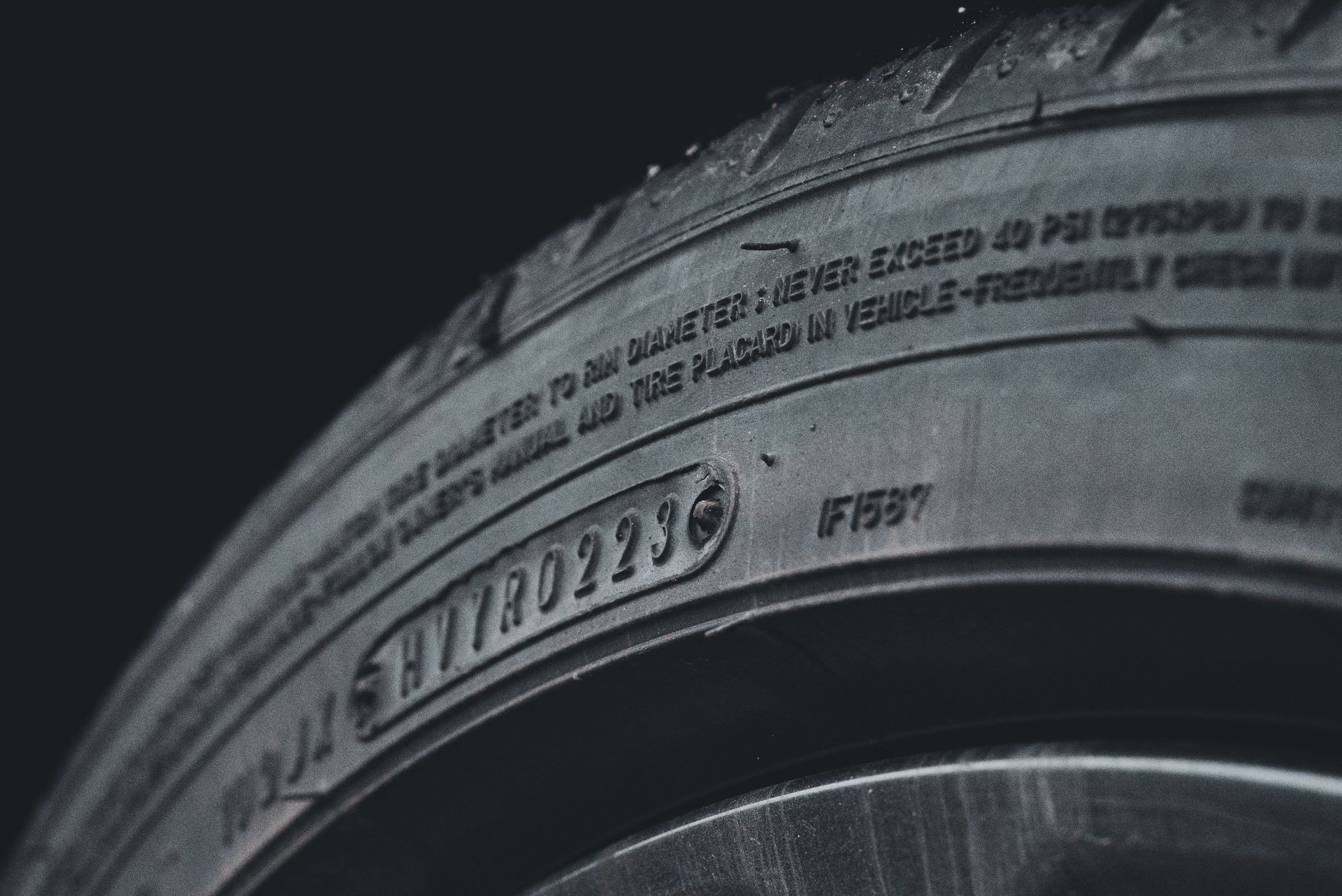
Don't ignore your spare tire; it's a big part of tire maintenance. Check your spare tire often to make sure it's ready when you need it. Inspect it monthly for proper inflation and to check for damage. A well-maintained tire meets the vehicle's PSI requirements. This makes it safe to use.
- Perform a regular spare tire check for any signs of wear or damage.
- Ensure the pressure matches the manufacturer's recommended PSI.
- Conduct a visual inspection to affirm there are no punctures or sidewall bulges.
Following these steps helps keep your spare tire ready. This makes changing a tire easier and safer. It's an important part of taking care of your vehicle.
Keeping up with these maintenance tasks can make a big difference. They help you be prepared for tire problems. Regular care ensures you're ready for anything on the road.
Selecting the Right Spot for a Tire Change
Understanding tire safety is crucial, especially when a tire fails unexpectedly. It's important to find the best place to change a tire to keep everyone safe. A good spot is straight, flat, and has clear visibility and enough room.
The surface where you change the tire is vital. It needs to be flat and stable for a secure tire change. A level ground ensures safety when using a jack and keeps the car from rolling.
- Avoid areas with inclines or declines which might impede the stability of the jack.
- Steer clear of curves and narrow shoulders where the proximity to passing traffic poses a heightened risk.
- Select expanses away from moving traffic—wide shoulders or parking areas are preferable.
Once you find the right spot, turning on hazard lights is essential. It warns other drivers that you've stopped for an emergency. The goal when changing a tire is to ensure your safety and disturb other road users as little as possible. Taking safety seriously when changing a tire helps everyone stay safe.
What type of location do you need to change a tire?
Finding the right spot to change a tire means looking for three things: stable ground, easy to see, and away from traffic. A good spot reduces the risks you face during a roadside emergency.
Level Ground and Safety Considerations
Choosing level ground is key for keeping your car stable. If the ground isn't even, your car could move. So, use wheel wedges to keep it from rolling. Always follow your car manual's advice when using these tools.
Visibility to Other Motorists
Turn on your hazard lights to let others know you're there. This is even more important if it's dark or the weather's bad. You might also use flares or reflective triangles to be more visible. This makes it safer for everyone.
Distance from Moving Traffic
- It's important to stay away from traffic. Pick a spot far from where cars are passing by.
- Look for a place that keeps you away from distractions and careless drivers. This helps avoid accidents.
- If there's no safe spot nearby, keep going until you find a better place. It's better than risking it near fast traffic.
By following these tips, you keep yourself and others safe. Remembering these safety steps makes changing a tire safer for everyone.
Proper Techniques for a Secure Tire Change
Safety is key when changing a tire. There are specific steps and tools you need to use. It's important to pay close attention to using wheel wedges, lifting the car safely, and tightening lug nuts in the right order. These steps help prevent accidents. They ensure both the person and the car are safe. Here, we'll look at how to replace a tire correctly. We'll also discuss the best spots for changing a tire safely.
Positioning the Wheel Wedges
Wheel wedges stop your car from rolling. Place them carefully based on where your flat tire is. If your front tire is flat, put the wedges behind the rear tires. If it's a rear tire, the wedges go in front of the front tires. This keeps the car stable. It also makes changing the tire safer for you.
Lifting the Vehicle Safely
Lifting your car safely is vital. It prevents damage to the car and keeps you safe. Always use a car jack according to the manufacturer's guide. Put it under the vehicle frame correctly. Make sure you're on solid, level ground. If not, a sturdy wood plank under the jack can help. This is especially useful in spots where finding a good place to change a tire is hard.
Tightening Lug Nuts: The Correct Order
When your car is up and the tire removed, how you tighten the lug nuts matters a lot. Do it in a star pattern. This spreads the pressure evenly. Begin by hand-tightening. Then, use a wrench to make them really tight. This ensures the tire is evenly attached to the hub. Your car is then ready to go.
In summary, using the right techniques for a tire change increases safety. It makes sure the job is done right. It turns a sudden tire issue into something you can handle well. With the correct steps, car maintenance in emergencies becomes easier.
Conclusion
Knowing how to change a tire is key, and finding the right place to do it is just as important for everyone's safety. You need more than just the skill to swap a tire. You must be ready with the right tools and know how to use them. This is true whether you're on a busy street or a quiet road.
Changing a tire safely is easier with the correct tools and a good spot. Always look for a flat area away from traffic and where other drivers can see you. This lowers the chance of accidents while changing the tire. Keeping safe on the road is the top priority.
Being able to handle a tire issue well involves many steps. You need the right gear and to be able to change the tire carefully and correctly. Doing each step right helps avoid delays and dangers from a flat tire. These actions keep everyone on the road safe. They show why it's crucial to be careful and prepared for tire problems.
Lastly, if you are in Scottsdale, Phoenix, East Valley or the West Valley LugWrench Heroes can change your tire for you with our mobile tire repair and replacement services. Call for a Quote today!