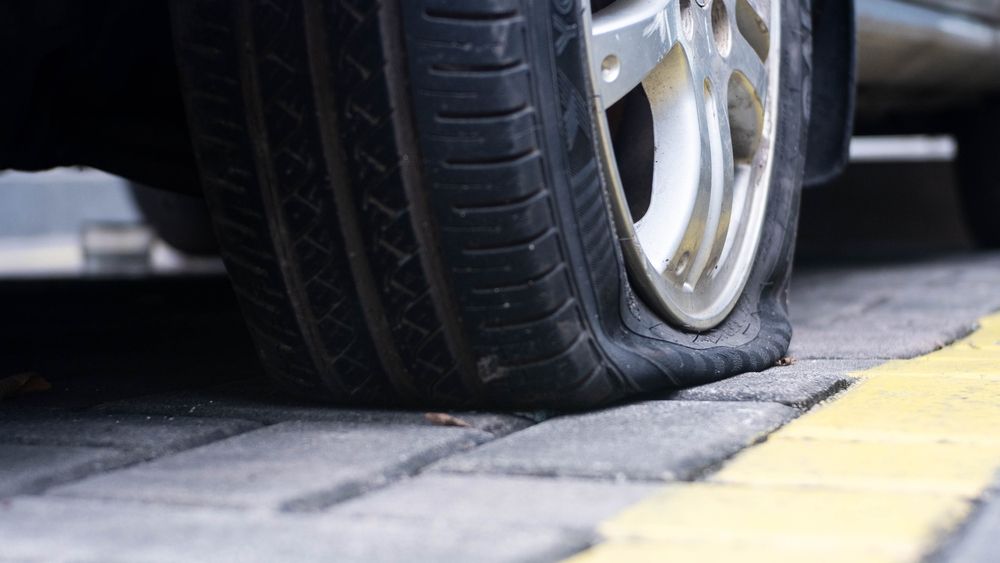


What each light means, why cold Valley mornings set it off, and what a TPMS sensor costs
Mobile TPMS service — we come to you
A solid tire pressure light means at least one tire has dropped about 25% below its recommended pressure. A light that flashes for about a minute at startup and then stays on means the TPMS system itself has a fault, usually a dead sensor.
In the Phoenix area, the solid light shows up in a predictable wave every year: the first cool mornings of November and December, when tires that were aired up in 105°F August heat suddenly read several pounds low at 45°F. This guide covers what each light means, why Valley weather sets it off, exactly what to do, and when a sensor needs replacing.
Key Takeaways
- Solid light = low air. Check all four tires with a gauge before driving far, and fill to the pressure on your driver’s door jamb.
- Flashing, then solid = system fault. Your tires may be fine, but the warning system is offline until a sensor is replaced or relearned.
- Phoenix winter mornings drop pressure about 6 psi versus a summer afternoon fill, enough to trip the light by December on many cars.
- One tire much lower than the others is not the weather. That pattern points to a nail or slow leak that needs a mobile tire repair.
Solid vs. Flashing Tire Pressure Light: What Each One Means
The two lights look identical, a horseshoe-shaped tire with an exclamation point, but they report completely different problems. A solid light is a pressure warning. Federal safety standard FMVSS No. 138 requires the system to warn the driver when one or more tires is 25% or more below the vehicle maker’s recommended cold pressure, according to NHTSA’s TPMS final rule.
A flashing light is a malfunction warning. Bridgestone explains that a light that flashes for roughly 60 to 90 seconds at every startup and then stays lit means the TPMS is not working, so it cannot warn you about low pressure until it is repaired.
| What you see | What it means | Is it safe to drive? | What to do |
|---|---|---|---|
| Solid light, stays on | One or more tires is about 25% below the door-jamb pressure | Only slowly, to the nearest air pump or off the freeway | Check all four tires with a gauge and fill to spec |
| Solid in the morning, off by afternoon | Pressures sit right at the warning line and cold air tips them under | Yes, but tires are underinflated every cold start | Add air with the tires cold, before the first drive of the day |
| Flashes 60–90 seconds, then solid | TPMS fault: dead sensor battery, damaged sensor, or a sensor the car no longer recognizes | The car drives normally, but you have no low-pressure warning | Check pressure by hand monthly and have the sensor diagnosed |
| Light plus a pulling or thumping feel | Rapid air loss from a puncture or damaged tire | No. Pull over safely | Do not drive on it flat; call for mobile flat repair |
Why the Tire Pressure Light Comes On During Cold Phoenix Mornings
Air pressure falls as temperature falls, and the common rule of thumb is about 1 psi for every 10°F. That is a small effect in most of the country from day to day, but the Valley has one of the biggest seasonal swings of any major metro. Using 1991–2020 normals from the Arizona State Climate Office, Phoenix averages a 105°F high in August and a 45°F low in December, a 60-degree gap.
Here is what that does to a car with a 35 psi door-jamb spec that was last aired up on an August afternoon. The estimate also assumes the slow seepage of roughly 1 psi a month that tires commonly lose through the rubber and valve.
| Morning in | Normal low | Temperature drop from 105°F | Estimated cold pressure | Light likely? |
|---|---|---|---|---|
| August (filled) | 105°F high | — | 35 psi | No |
| October | 66°F | 39°F | About 29 psi | No |
| November | 54°F | 51°F | About 27 psi | On the edge |
| December | 45°F | 60°F | About 25 psi | Yes |
| January | 46°F | 59°F | About 24 psi | Yes |
That is why, by this math, the light tends to arrive after Thanksgiving, not in October. It is also why the light often turns itself off by lunch: December’s normal high of 66°F is about 21 degrees warmer than its normal low, which adds back roughly 2 psi as the day heats up. Bridgestone describes the same on-and-off pattern for tires sitting near the warning threshold.
Drivers on the edges of the Valley, like Cave Creek and Gold Canyon, often see it first, since the desert outside the urban core cools off faster overnight than central Phoenix. Snowbirds returning to Sun Lakes and Mesa get hit twice: their cars sat through the summer losing air, then meet a cold morning. If that is you, also check the DOT date on those tires before a long drive.
What to Do When Your Tire Pressure Light Comes On
Start by checking actual pressure with a gauge, because the light only tells you something is low, not which tire or by how much on many cars. Work through these steps in order:
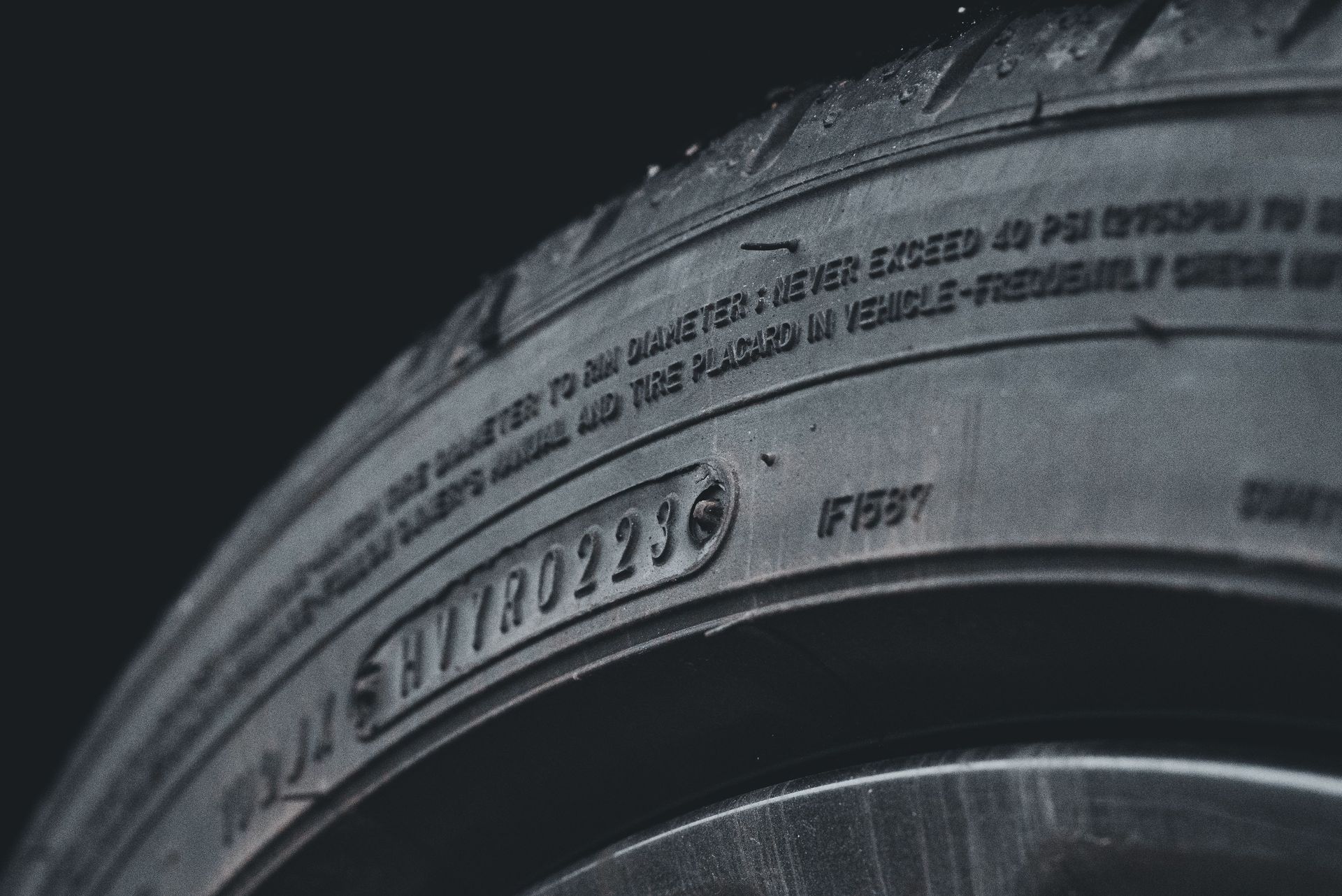
- Find your real number. Use the pressure on the sticker inside the driver’s door jamb, not the maximum printed on the tire sidewall.
- Check cold. Measure before driving, or after the car has sat about three hours. A tire checked after a freeway run reads several psi high.
- Check all four, plus the spare if your car monitors it. Write the readings down. If all four are evenly low, it is temperature and seepage.
- Look for the outlier. One tire 5 psi or more below the rest usually means a nail, screw, or valve leak. See whether a tire with a nail can be repaired before you buy a new one.
- Fill to spec and drive. Many systems clear the light after a short drive once every tire reads normal. Some vehicles need a manual reset, which is covered in your owner’s manual.
- Still on, or flashing? Air will not fix a sensor fault. That needs a TPMS diagnosis.
Do not overcorrect for the cold. Fill to the door-jamb spec on a cold morning and stop. That spec is a cold number, and tires naturally run higher once warmed up on the road. Overfilling to beat the light just trades a warning for a harsher ride and center tread wear.
Flashing TPMS Light: Dead Sensor Batteries and Other Faults
The most common cause of a flashing tire pressure light is a TPMS sensor battery reaching the end of its life. Each wheel on a direct TPMS system has a small sensor attached to the valve stem, powered by a sealed battery that cannot be swapped on its own. Most are rated for roughly 5 to 10 years.
Age is the quickest way to judge your odds. Under the phase-in schedule in NHTSA’s final rule, every new light vehicle built from September 1, 2007 onward has to carry TPMS, so most cars on Valley roads have it, and many still run their original sensors.
| Model year (original sensors) | Sensor age in 2026 | What to expect |
|---|---|---|
| 2008–2015 | 11–18 years | Past typical battery life. A flashing light is likely if not already replaced |
| 2016–2019 | 7–10 years | Inside the common failure window. Plan on replacement at the next tire change |
| 2020–2022 | 4–6 years | Usually healthy. A fault more often means damage or a missed relearn |
| 2023 and newer | 3 years or less | Battery failure is rare. Look at wheel swaps, rotations, or damage first |
Other causes of a flashing light include a sensor cracked during a curb strike or a careless tire change, corrosion at the valve stem, aftermarket wheels or a spare installed without sensors, and a rotation on a vehicle that needs a relearn so the computer knows which sensor sits at which corner.
Replace sensors when the tires come off
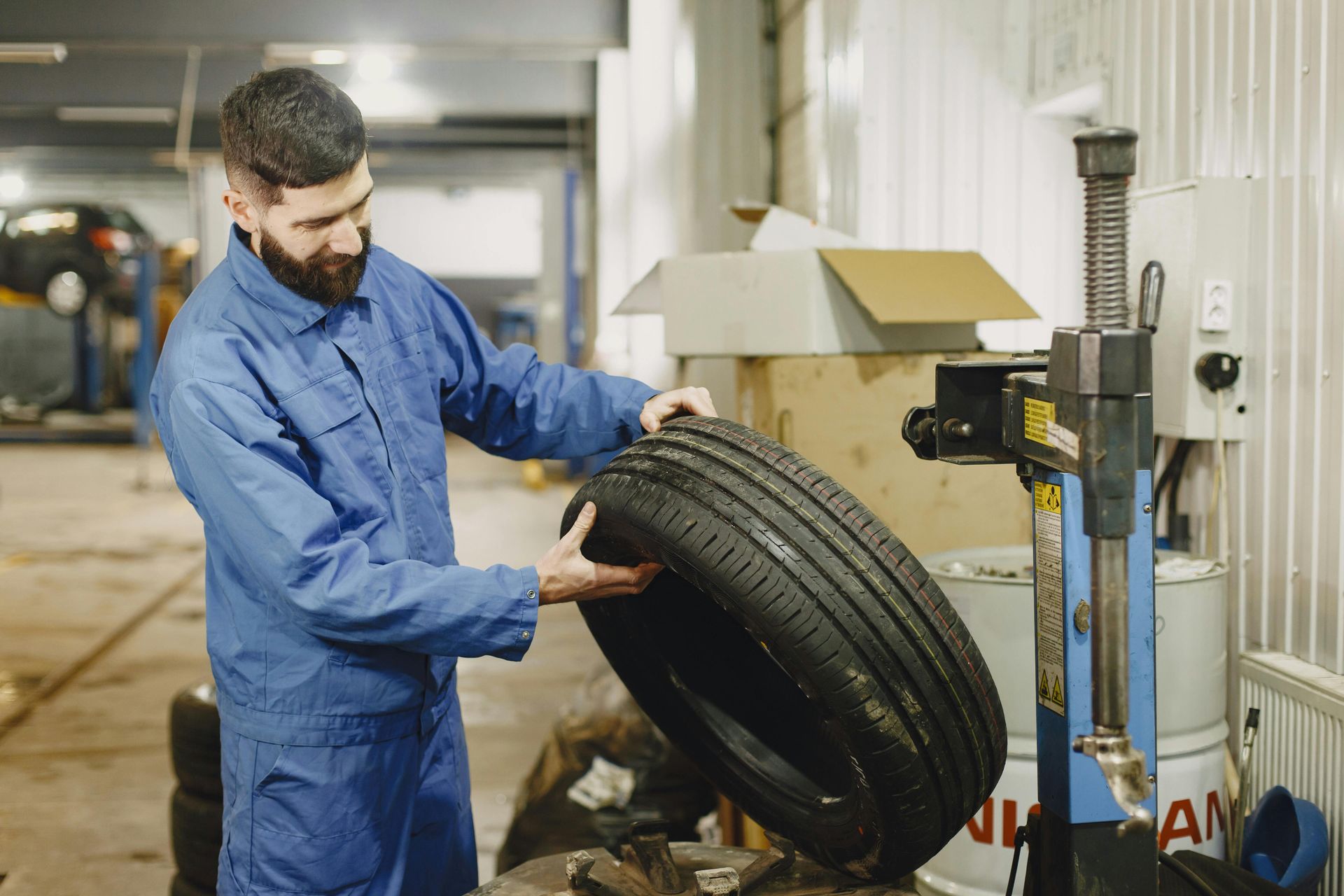
Because a sensor lives inside the tire, replacing one later means dismounting the tire again. If your sensors are 7 years or older and you are buying new tires anyway, replacing them during the same mobile tire installation avoids paying for the tire to come off twice. Our touchless mounting equipment also never contacts the wheel face, which matters for anyone protecting a custom or painted finish around the sensor.
TPMS Sensor Replacement Cost
TPMS sensor replacement cost depends on your vehicle, whether it needs an OEM or programmable aftermarket sensor, and how many wheels need one. Kelley Blue Book lists the average cost of a TPMS sensor replacement at $314 to $368. Luxury and performance vehicles often sit above that range, and replacing all four at once costs more up front but avoids repeat visits as the remaining batteries fail.
A complete sensor job has three parts, and it is worth confirming all three are in any quote you get:
- The sensor, matched to your vehicle’s system and frequency.
- Tire dismount and remount, plus a rebalance, since the tire has to come off the wheel.
- Programming and relearn, so the car recognizes the new sensor ID. Skip this and the light keeps flashing.
At LugWrench Heroes, we charge parts plus labor, and the sensor itself typically starts at $60. We do mobile TPMS repair and sensor replacement at your home, office, or job site anywhere in the Valley, so you do not lose a morning in a waiting room. Call or text with your year, make, and model for a quote built around your vehicle, or request a tire quote online.
Can You Drive With the Tire Pressure Light On?
You can drive a short distance with a solid tire pressure light, but only to check and fill your tires, not for normal driving. A tire 25% low flexes harder and builds more heat, which is the opposite of what Arizona roads need. Underinflation is one of the main reasons tires blow out in Arizona heat, and the same tire running low into spring is the one that fails first when temperatures climb back past 100°F.
With a flashing light, the car is mechanically fine, but you are driving without the safety net. NHTSA estimated in its final rule that TPMS would prevent roughly 119 to 121 deaths a year once fully phased in, so it is worth fixing rather than ignoring. Until then, check pressure by hand at least once a month.
Tire Pressure Light FAQs
Why is my tire pressure light on but my tires look fine?
A tire can be 25% underinflated and still look normal, especially a low-profile or run-flat tire. Check with a gauge. If every tire reads at spec and the light flashed at startup before going solid, the issue is a sensor or the system, not air.
Should I put extra air in my tires when it’s cold?
No. Fill to the door-jamb spec while the tires are cold, which accounts for the cold already. In Phoenix, that usually means adding air in November or December, then checking again in spring so you are not overinflated when the heat returns.
Do new tires require new TPMS sensors?
Not automatically. Your existing sensors move to the new tires if they are healthy. Most shops replace the valve service parts and test each sensor, and recommend new sensors when the originals are 7 years or older, since the tire is already off the wheel.
Can you drive with a bad TPMS sensor?
Yes, a failed sensor does not affect how the car drives. The risk is that you lose the low-pressure warning, so a slow leak can go unnoticed until the tire is damaged. Check pressure manually until the sensor is replaced.
What is a TPMS relearn?
A relearn is the step that teaches the vehicle’s computer each sensor’s ID and wheel position. Depending on the make, it is done with a scan tool, a driving procedure, or a sequence in the vehicle menus. It is required after a new sensor and on some vehicles after a rotation.
How do I reset the tire pressure light?
First fill every tire to spec. Many vehicles clear the light on their own after a short drive. Others have a reset button or a menu setting described in the owner’s manual. If the light returns or flashes, a reset will not fix it, because something is still low or a sensor has failed.
Tire Light On? We Come to You.
Flat, slow leak, or a dead TPMS sensor, we fix it in your driveway or office lot across the Phoenix metro. Call or text (602) 492-8495, backed by our 45-day ride guarantee.
Call or Text (602) 492-8495 Book OnlineLugWrench Heroes Mobile Tire Shop
(602) 492-8495 · 4665 S Ash Ave Suite G-7, Tempe, AZ 85282
Mon–Fri 8:00 AM–5:00 PM · Sat 8:00 AM–3:00 PM · Mobile service, we come to you
BBB A+ Accredited Business · 45-Day Ride Guarantee
Serving Phoenix, Scottsdale, Tempe, Mesa, Chandler, Gilbert, Gold Canyon, and the rest of the Valley. New to mobile service? Here is how to find mobile tire service in Phoenix.