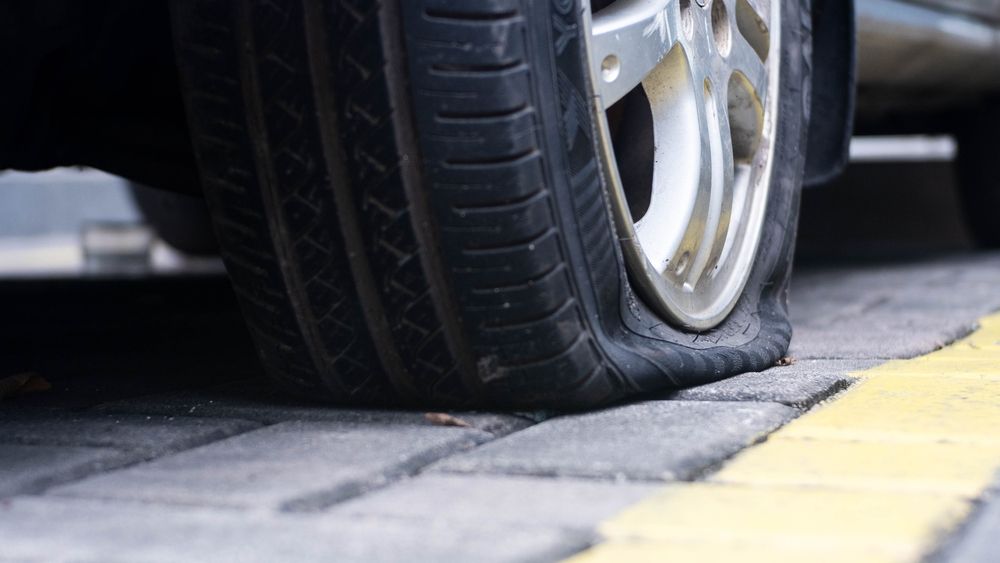


Have you ever thought about if a Tesla Model S Plaid might get flat tires more often? The thrill of driving a car with 1020 horsepower is exciting. But, do Teslas get flat tires a lot because of their special needs?
Electric cars offer a thrilling drive but also face unique challenges, like tire wear. Tesla owners often say they need new tires after only 5,000 miles. Why is this? The mix of extreme negative camber, heavy weight, and special low-profile tires makes Tesla tire problems more common.
But, there's hope. Tire tech is getting better. Companies are making tires for electric cars that can last up to 50,000 miles. Yet, even these new tires face the high demands of driving a Tesla.
Key Takeaways
- Owners of the Tesla Model S Plaid report frequent tire replacements every 5,000 miles.
- Tesla's 1020 horsepower performance contributes to faster tire wear and flat tires.
- Severe negative camber and substantial vehicle weight lead to uneven tire wear and flat issues.
- The unique requirements of Tesla tires increase both replacement frequency and costs.
Why Teslas Might Be Prone to Flat Tires
Several factors make Teslas, especially the Model S Plaid, more likely to get flat tires. The battery's weight, over 1000 lbs, puts a lot of stress on the tires. The curb weight of a Tesla Model Y starts at 3880 lbs and can go over 4000 lbs in the performance trim. This is heavier than many other cars, like the Chevrolet Camaro.
High torque and performance also play a big role. The Tesla Plaid's 1020 horsepower puts a lot of stress on its tires. This leads to faster wear and a higher chance of getting a flat tire. The car's fast acceleration, like the Model Y Long Range reaching 60 mph in 4.8 seconds, adds to these issues.
Performance wheels, like the 20" Induction Wheels, look good but need well-maintained roads. They have thinner walls and the car's weight increases tire wear. Low-profile tires, used for better performance and looks, are more likely to get damaged.
The Tesla Plaid often has these low-profile tires. They wear out faster under stress, especially on the inner side. Owners often need new tires every 5,000 miles because of this.
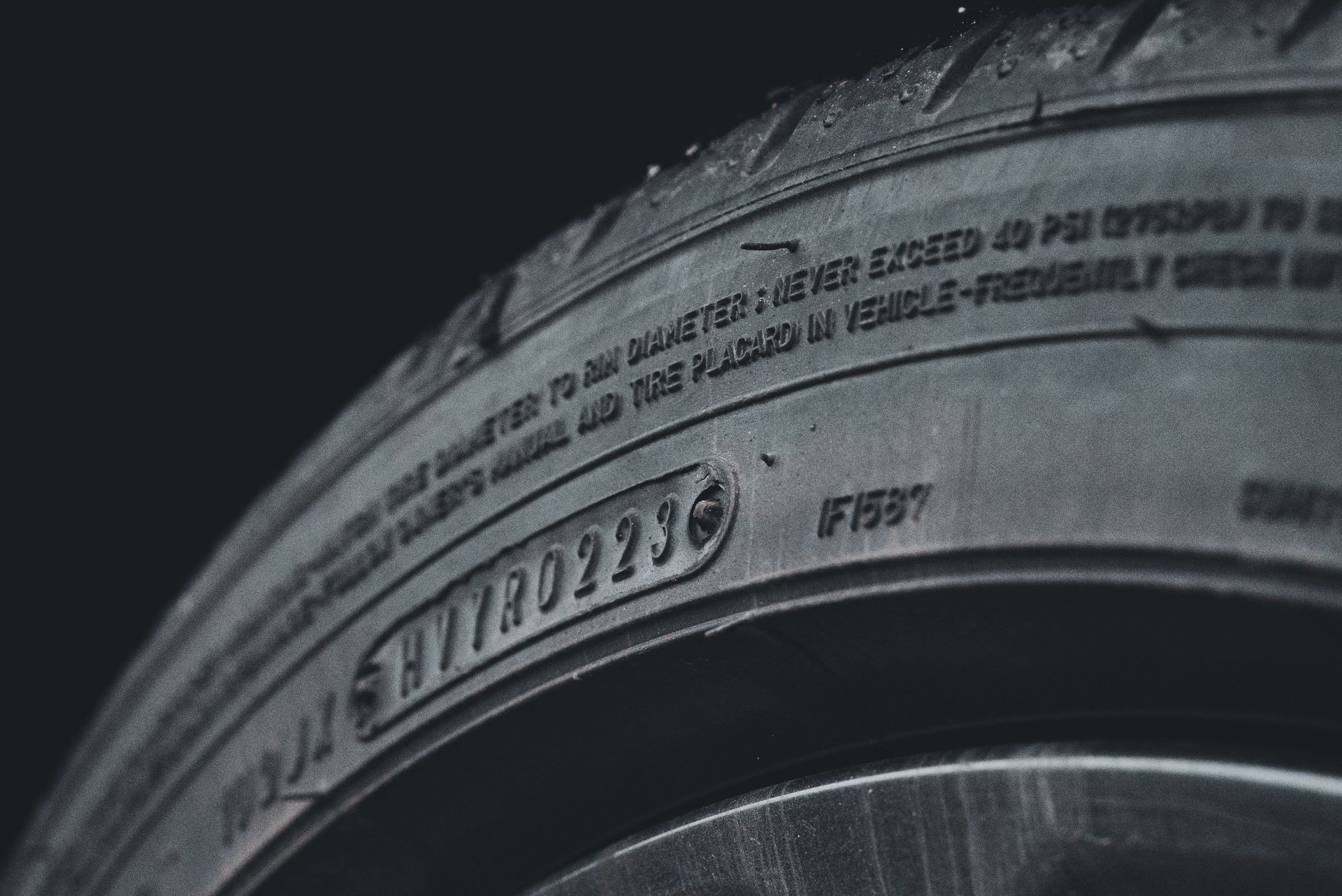
The Tesla Model 3 owner's manual says to replace tires with less than 4/32” tread depth. This is because they can hydroplane in wet conditions. It's important to replace tires before they show wear indicators. Despite what the manufacturer says, many drivers replace their tires much sooner, often under 15,000 miles.
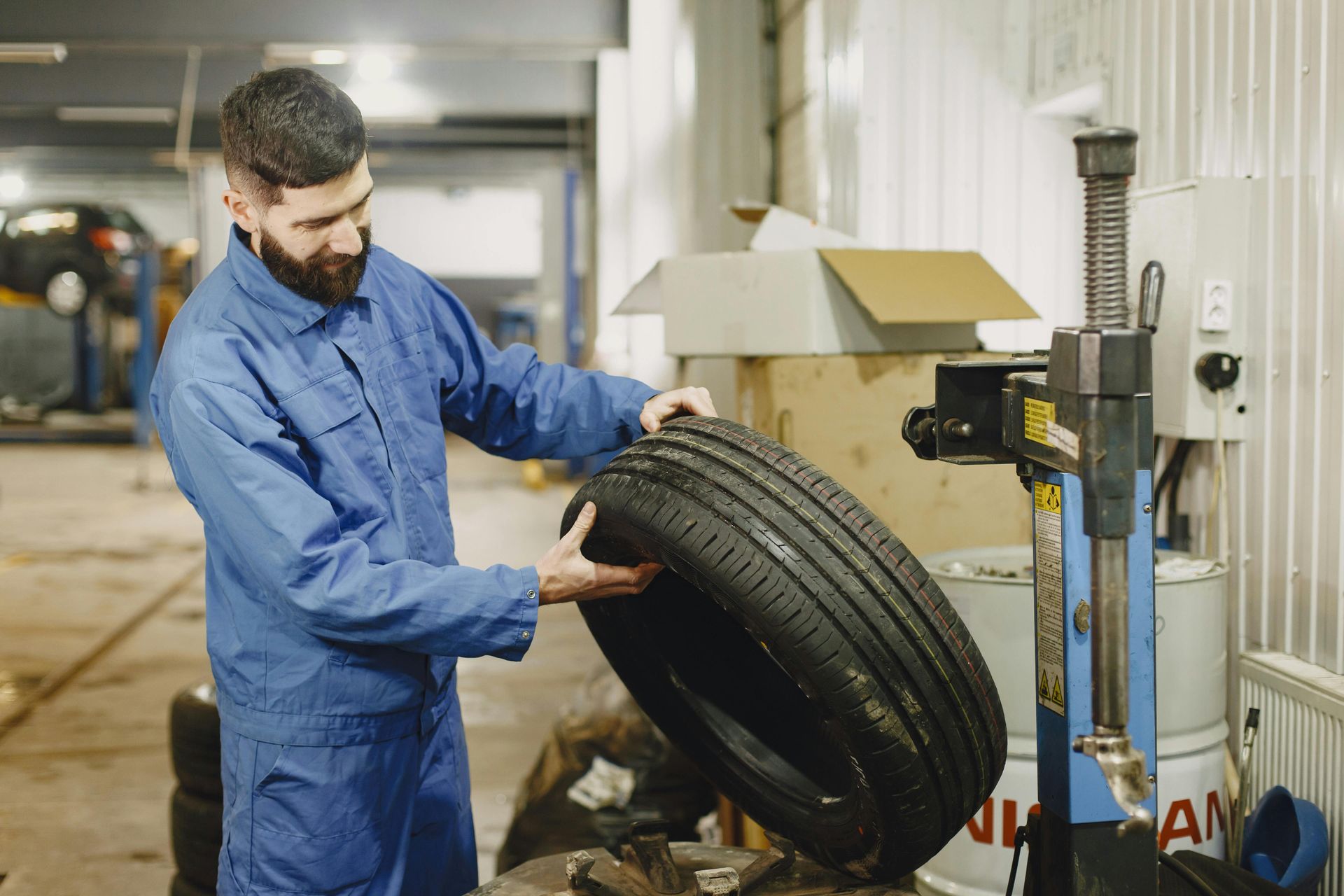
Tire shops often recommend replacing all four tires at once. This is because of tread levels and safety. It ensures the car performs well and safely, but it can be expensive. To prevent flat tires, it's key to follow maintenance routines and check tread depth regularly. Keeping up with Tesla tire maintenance is essential for avoiding flat tires and keeping the car running well.
Common Problems and Solutions for Tesla Flat Tires
Driving a Tesla, especially a high-performance model like the Model S Plaid, can be challenging. The car's 1020 horsepower puts a lot of stress on the tires. This leads to quick wear and often, flats.
The rear negative camber of the Tesla Plaid causes uneven tire wear. Low-profile tires, common in performance models, are also more likely to get damaged. This is due to the car's high torque and weight.
Using high-durability tires made for electric vehicles can help.
- Regular tire maintenance is key. Check and adjust tire alignment and pressure often to slow down wear.
- Keep tire pressure at the recommended level for your Tesla. This ensures the best performance and tire life.
- Know what your Tesla's tire warranty covers. This can help save money on replacements and repairs.
The Tesla Model 3 comes with PRIMACY MXM4 tires. The 20-inch version has Michelin Pilot Sport 4S tires. Both need regular checks and should have tread depth of at least 4/32 inch for good performance.
Replacing a Tesla tire can cost at least $250. But, used tires are cheaper, costing between $50 and $80 with labor. Many used tire shops offer a 30-day warranty, making them a good choice for those on a budget.
Tire issues can also lead to extra towing and service costs. This depends on how close you are to a Tesla service center or a tire shop with the right tires. Regular tire checks and following Tesla's tire pressure guidelines can help avoid these extra costs.
In short, while Tesla's performance is exciting, it requires careful tire maintenance. Knowing about Tesla's tire warranty and following their pressure guidelines is essential. This keeps your car reliable and affordable to run.
Do Teslas get flat tires a lot?
Tesla tire issues are common, especially for high-performance models like the Tesla Model S Plaid. These cars wear out tires fast due to their high torque and speeds. A 2020 Model X Long Range Plus owner found that regular maintenance can help tires last longer.
Looking at real-world examples can help understand the problem. For example, a Tesla Model Y had a flat tire and needed all four tires replaced. This is because of low tread depth and specific manufacturer policies. The Tesla Model 3 owner's manual also suggests replacing tires when they're less than 4/32" deep for wet conditions.
There's debate on whether to replace all tires at once or staggered. Some Tesla owners prefer certain tire models and suppliers. Different tire shops offer different recommendations. Contact Lugwrench Heroes today for professional tire services.
Regular maintenance is key to prevent issues like hydroplaning and ensure safety. Tesla's heavy weight, mainly from battery packs, makes tires wear out faster. This means drivers might need new tires after less than 15,000 miles.
In summary, flat tires are a common issue for Teslas. But, following Tesla's tire care tips and regular maintenance can help. This way, owners can enjoy a safer driving experience.
Conclusion
Flat tires in Teslas, like the Tesla Plaid, happen for many reasons. Their design, with low-profile tires, affects tire life and flat tire risk. Yet, Tesla offers great tips to keep tires in good shape.
Regular checks on tire pressure and rotation are crucial. Doing this every 10,000 to 12,000 miles helps prevent flats. Tesla's 24/7 Roadside Assistance also helps, available for four years or 50,000 miles.
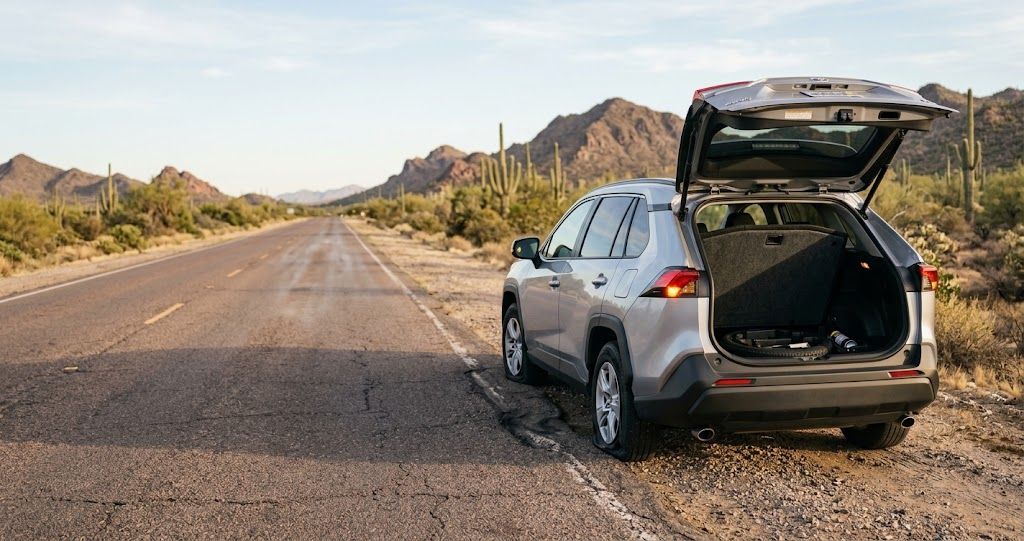
Tesla doesn't have spare tires, but they have repair kits and roadside help. This means you're covered in case of a flat. Keeping up with Tesla's maintenance tips is key to a better driving experience.
New tire tech and better maintenance plans might help with flat tires in electric cars. Tesla is working on making tires last longer. Using Michelin Primacy MXM4 tires, for example, can be more cost-effective and durable.
Staying informed about Tesla's tire care tips is important. It helps keep your tires in top shape. This way, you get the most out of your Tesla and save money in the long run.