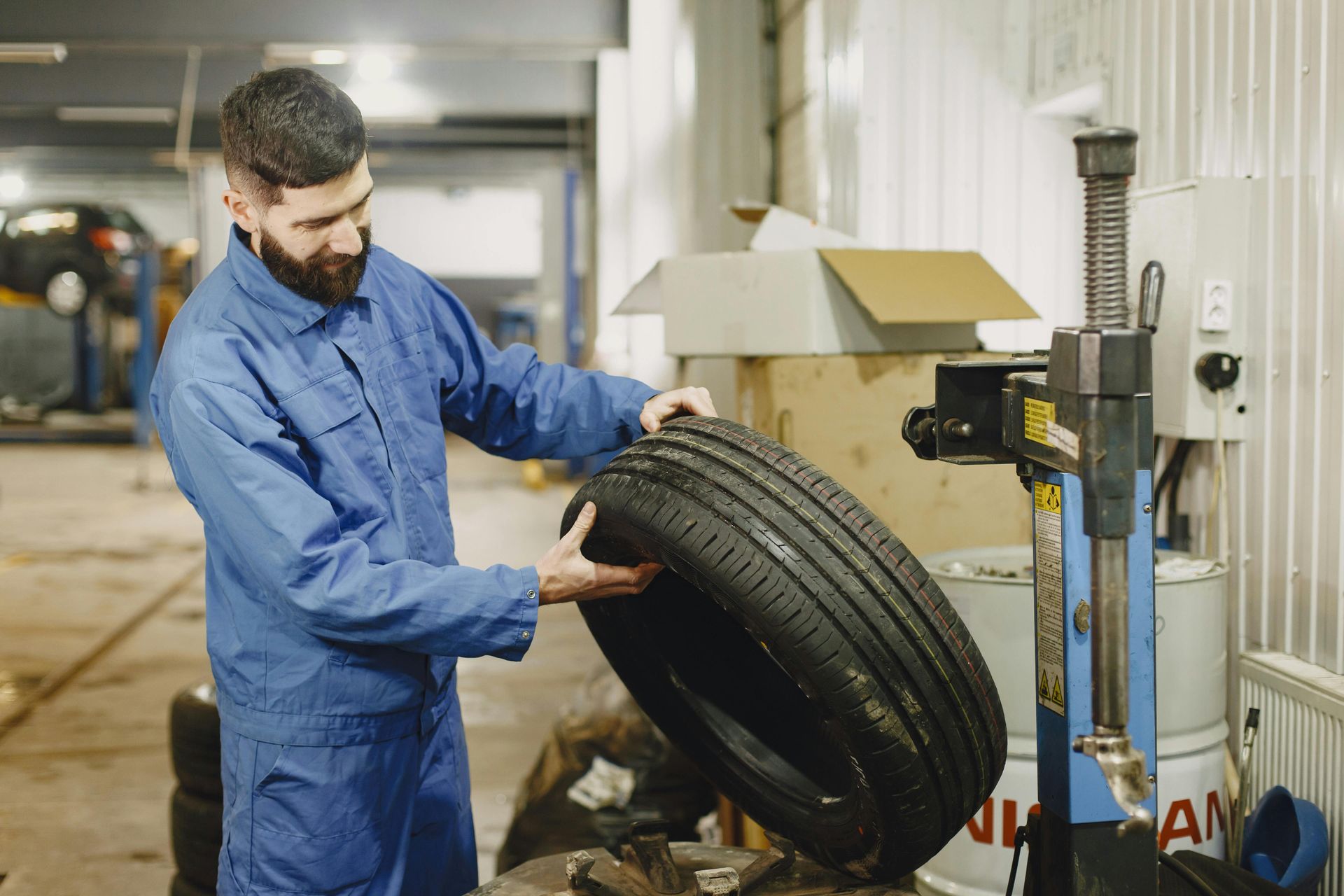


When it comes to repairing a tire, there are limitations based on the type and extent of the damage. The Tire Industry Association sets guidelines for tire repairs, including limitations on puncture repairs and maximum injury sizes for different types of tires. A proper puncture repair involves removing the tire from the rim, drilling out the damage, buffing the inner liner, filling the injury with a vulcanized rubber stem, and reinforcing and sealing the repair from the inside with a repair unit. Certain types of injuries, such as punctures larger than 1/4" in passenger tires or 3/8" in steel belted truck tires, sidewall damage, damage from running flat or under inflated, and excessive tread wear, cannot be safely repaired. It's important to take your vehicle to a reputable tire care professional for assessment and repair.
Key Takeaways:
- Tire repair is subject to limitations based on the type and extent of damage.
- The Tire Industry Association provides guidelines for puncture repairs and maximum injury sizes.
- Proper puncture repair involves specific steps to ensure the integrity of the tire.
- Some types of injuries cannot be safely repaired and may require tire replacement.
- It is essential to consult a reputable tire care professional for assessment and repair.
Can all punctured car tires be repaired?
When it comes to punctured car tires, not all can be repaired. The reparability of a puncture depends on its location and severity. If the puncture is in the tread area and does not exceed 1/4" in diameter, it can typically be repaired. However, if there are multiple punctures within 16 inches of each other or if the puncture is in the sidewall or shoulder of the tire, it may need to be replaced.
It is important to consult a reputable tire care professional like LugWrench Heroes to determine whether a punctured tire can be repaired or if it needs to be replaced. They will assess the damage and provide guidance based on industry guidelines. Making the right decision is crucial for maintaining safety on the road.
Here is a table summarizing the reparability of punctured car tires based on the location and size of the puncture:
Table: Reparability of Punctured Car Tires
| Puncture Location | Puncture Size | Repairability |
|---|---|---|
| Tread Area | Not exceeding 1/4" diameter | Repairable |
| Tread Area | Exceeding 1/4" diameter | May need to be replaced |
| Sidewall or Shoulder | Any size | May need to be replaced |
Refer to this table when assessing the reparability of punctured car tires. Keep in mind that proper evaluation by a qualified professional is essential for making the right decision and ensuring the safety of your vehicle.
What about run-flat tires and tires with side bubbles?
Run-flat tires are designed to allow you to continue driving for a short period even after a loss of air pressure. This can be especially useful in situations where finding a safe place to stop immediately is difficult. However, it's important to note that run-flat tires have limitations when it comes to repairs. If a run-flat tire has been driven on with low air pressure (less than 15PSI), it may not be repairable and should be replaced. The structure and integrity of the tire may have been compromised, making it unsafe to continue using.
On the other hand, tires with side bubbles, also known as sidewall bubbles, cannot be repaired and should be replaced as soon as possible. Sidewall bubbles are often caused by high-impact damage, such as hitting a curb or pothole. The thin sidewall of the tire makes it more susceptible to damage, and any bubbles or bulges in the sidewall indicate a weakened structure. Continuing to drive on a tire with a sidewall bubble poses a significant risk of tire failure and should be avoided.
When it comes to issues like run-flat tires and sidewall bubbles, it's crucial to prioritize safety. If you have concerns about the condition of your tires, it's best to consult with a trained tire care professional. They can assess the damage and provide guidance on whether a repair is possible or if a replacement is necessary. Remember, proper tire maintenance and timely replacements are essential for ensuring your safety on the road.
Table: Run-Flat Tire Repair Guidelines
| Condition | Repairability |
|---|---|
| No low air pressure | Possible to repair |
| Low air pressure ( | Not repairable, replace |
Table: Sidewall Bubble Repair Guidelines
| Condition | Reparability |
|---|---|
| No sidewall bubbles | N/A |
| Sidewall bubbles present | Not repairable, replace |
Can repaired tires be patched or repaired again?
Repairing a tire once doesn't necessarily mean it can't be patched or repaired again in the future. The key consideration is whether the new damage compromises a previously repaired area. If the new damage is in a different location and doesn't overlap with a previous repair, it may be possible to patch or repair the tire again. However, if the new damage is in the same area or overlaps with a previous repair, it may be necessary to replace the tire to ensure continued safety on the road.
When assessing whether a tire can be patched or repaired again, it's crucial to have a trained technician inspect the tire. They will be able to determine if the previous repair was done properly and if the tire can withstand another patch or repair. It's important to keep in mind that each repair, whether it's a patch or a plug, weakens the tire's structure to some extent. Too many repairs can compromise the tire's overall integrity, making it unsafe for continued use.
By following industry guidelines and consulting a professional, you can make informed decisions about whether a tire can be safely patched or repaired a second time. It's always better to prioritize your safety and the safety of others on the road by replacing a tire when necessary. Proper tire maintenance and regular inspections are the key to ensuring the longevity and safety of your tires.
| Pros of Patching or Repairing Again | Cons of Patching or Repairing Again |
|---|---|
| - Cost-effective solution | - Each repair weakens the tire's structure |
| - Can extend the lifespan of the tire | - Increased risk of tire failure |
| - May be possible if new damage doesn't overlap with previous repair | - Can compromise tire integrity if done multiple times |
Is it safe to drive on a patched or plugged tire?
Driving on a patched or plugged tire is safe as long as the repair is done correctly. If the plug or patch is not installed properly, it can lead to air leakage and potential tire blowout while driving. It's recommended to have a professional perform the repair to ensure it is done correctly. A tire repair performed according to industry standards is considered safe for driving.
When it comes to the safety of patched or plugged tires, it's important to understand the proper tire repair techniques. A reputable tire care professional will follow industry guidelines to assess the damage and determine whether a tire can be safely repaired. The repair process involves removing the tire from the rim, drilling out the damage, buffing the inner liner, filling the injury with a vulcanized rubber stem, and reinforcing and sealing the repair from the inside with a repair unit.
By following these proper repair procedures, the tire's structural integrity is maintained, ensuring safe driving. It's important to note that a patched or plugged tire may have a slightly higher risk of failure compared to an undamaged tire. Therefore, it's essential to monitor the repaired tire for any signs of trouble, such as a loss of air pressure or unusual vibrations. If you notice any abnormalities, it's best to have the tire inspected by a professional to ensure your safety on the road.
Common Signs of Patch or Plug Failure:
- Loss of air pressure
- Unusual vibrations
- Visible damage or separation at the repair site
- Uneven wear or tread separation
By staying vigilant and addressing any issues promptly, you can ensure that driving with a patched or plugged tire remains safe. Remember, regular tire maintenance and inspections are crucial for identifying potential problems and preventing tire failures. If in doubt, always consult a reputable tire care professional for guidance.
How many times can a tire be patched?
When it comes to tire patching , there are certain limitations that you should be aware of. Patching a tire is a common method of repairing minor damages, but it's important to understand that this repair option has its limits.
Typically, a tire can be patched up to three times. However, it's essential to note that each patch weakens the overall structure of the tire. The more patches a tire has, the greater the risk of further damage or failure. Therefore, after the third patch or plug job, it's generally recommended to replace the tire for safety reasons.
The reason behind this limitation is the compromised structural integrity of the tire. With each patch, the tire loses some of its original strength and durability. Additionally, multiple patches can result in uneven weight distribution, leading to an imbalanced tire that may affect your vehicle's performance and safety on the road.
Factors to consider for tire patching:
- Size and location of the damage: Patches are typically suitable for small punctures in the tread area, but larger or sidewall damages may require tire replacement.
- Previous repairs : If a new tire damage overlaps with a previous patch or repair, replacing the tire is often the safer option.
- Tire age and tread depth: Older tires or those with extensive tread wear may not be suitable for patching.
- Manufacturer guidelines: Different tire brands may have specific recommendations regarding the number of patches allowed.
Remember, safety should always be your top priority when it comes to tire repairs. It's best to consult with a professional tire care technician who can assess the damage and provide expert guidance on whether patching is a viable option or if tire replacement is necessary.
| Patch Number | Tire Condition |
|---|---|
| First Patch | Minor damage, tire integrity intact |
| Second Patch | Additional weakening of tire structure, increased risk of failure |
| Third Patch | Further compromised tire integrity, replacement recommended |
Conclusion
When it comes to tire repairs, it's crucial to follow the guidelines set by reputable organizations like the Tire Industry Association. These guidelines ensure that any repairs are done correctly and prioritize your safety on the road.
Puncture repairs should be limited to the crown portion of the tire, and there are maximum size limitations for different types of tires. It's important to have a professional assess the damage and determine if a tire can be safely repaired or if it needs to be replaced.
Proper tire repairs not only ensure your safety but also help maintain the integrity of the tire. By adhering to the tire repair guidelines , you can extend the lifespan of your tires and avoid potential accidents or blowouts caused by faulty repairs.
Remember, your tires are the only contact your vehicle has with the road, so it's crucial to prioritize tire safety. Trusting a reputable tire care professional for assessment and repair is the best way to ensure your tires remain in optimal condition for a smooth and safe driving experience.
FAQ
How much can a tire be repaired?
When it comes to repairing a tire, there are limitations based on the type and extent of the damage. The Tire Industry Association sets guidelines for tire repairs, including limitations on puncture repairs and maximum injury sizes for different types of tires. Certain types of injuries, such as punctures larger than 1/4" in passenger tires or 3/8" in steel belted truck tires, sidewall damage, damage from running flat or underinflated, and excessive tread wear, cannot be safely repaired. It's important to take your vehicle to a reputable tire care professional for assessment and repair.
Can all punctured car tires be repaired?
Not every punctured car tire can be repaired. The repairability depends on the location and severity of the puncture. If the puncture is in the tread area and doesn't exceed 1/4" in diameter, it can typically be repaired. However, if there are multiple punctures less than 16 inches apart, or if the puncture is in the sidewall or shoulder of the tire, it may need to be replaced. The decision to repair or replace a punctured tire should be based on the guidelines provided by a reputable tire care professional.
What about run-flat tires and tires with side bubbles?
Run-flat tires can often be repaired if they haven't been driven on with less than 15PSI. However, if a run-flat tire has been driven on with low air pressure, it may not be repairable and should be replaced. Tires with side bubbles, which are caused by high-impact damage, cannot be repaired and should be replaced as soon as possible. The thin sidewall of a tire makes it more susceptible to damage, and any damage to the sidewall compromises the tire's integrity.
Can repaired tires be patched or repaired again?
Repaired tires can often be patched or repaired again, as long as the new damage doesn't compromise a previously repaired area. For example, if a nail-in-tire situation occurs and the puncture location doesn't overlap with a previous tire injury and the previous repair was done properly, a quick repair may be possible. However, if the new damage overlaps with a previous repair, it may be necessary to replace the tire. It's important to have a trained technician inspect and assess the tire to determine the best course of action.
Is it safe to drive on a patched or plugged tire?
Driving on a patched or plugged tire is safe as long as the repair is done correctly. If the plug or patch is not installed properly, it can lead to air leakage and potential tire blowout while driving. It's recommended to have a professional perform the repair to ensure it is done correctly. A tire repair performed according to industry standards is considered safe for driving.
How many times can a tire be patched?
A tire can generally be patched up to three times. After three patch or plug jobs, the tire is no longer considered safe to drive on. Each hole or damage to the tire compromises its structural integrity. While it may be tempting to continue patching additional holes, it's recommended to replace the tire after the third repair to ensure safety on the road.
Conclusion
When it comes to tire repairs, it's important to follow the guidelines set by reputable organizations like the Tire Industry Association. Puncture repairs should be limited to the crown portion of the tire, and there are maximum size limitations for different types of tires. It's crucial to have a professional assess the damage and determine if a tire can be safely repaired or if it needs to be replaced. Proper tire repairs ensure safety on the road and help maintain the integrity of the tire.
If you need a tire repaired in the Phoenix, AZ metro area including Tempe, Scottsdale, Chandler, Mesa, and Gilbert AZ contact our team for help.