

Ever think about your car's tires and if they're getting the care they need? Tire rotation is key for your car's safety, efficiency, and life. But how often should you do it to keep your tires in top shape?
Experts like the National Highway Traffic Safety Administration (NHTSA) agree. They say regular rotation can make your tires last longer, save gas, and keep your car handling well. Your driving style and car type also affect how often you should rotate your tires.
The Importance of Tire Rotation
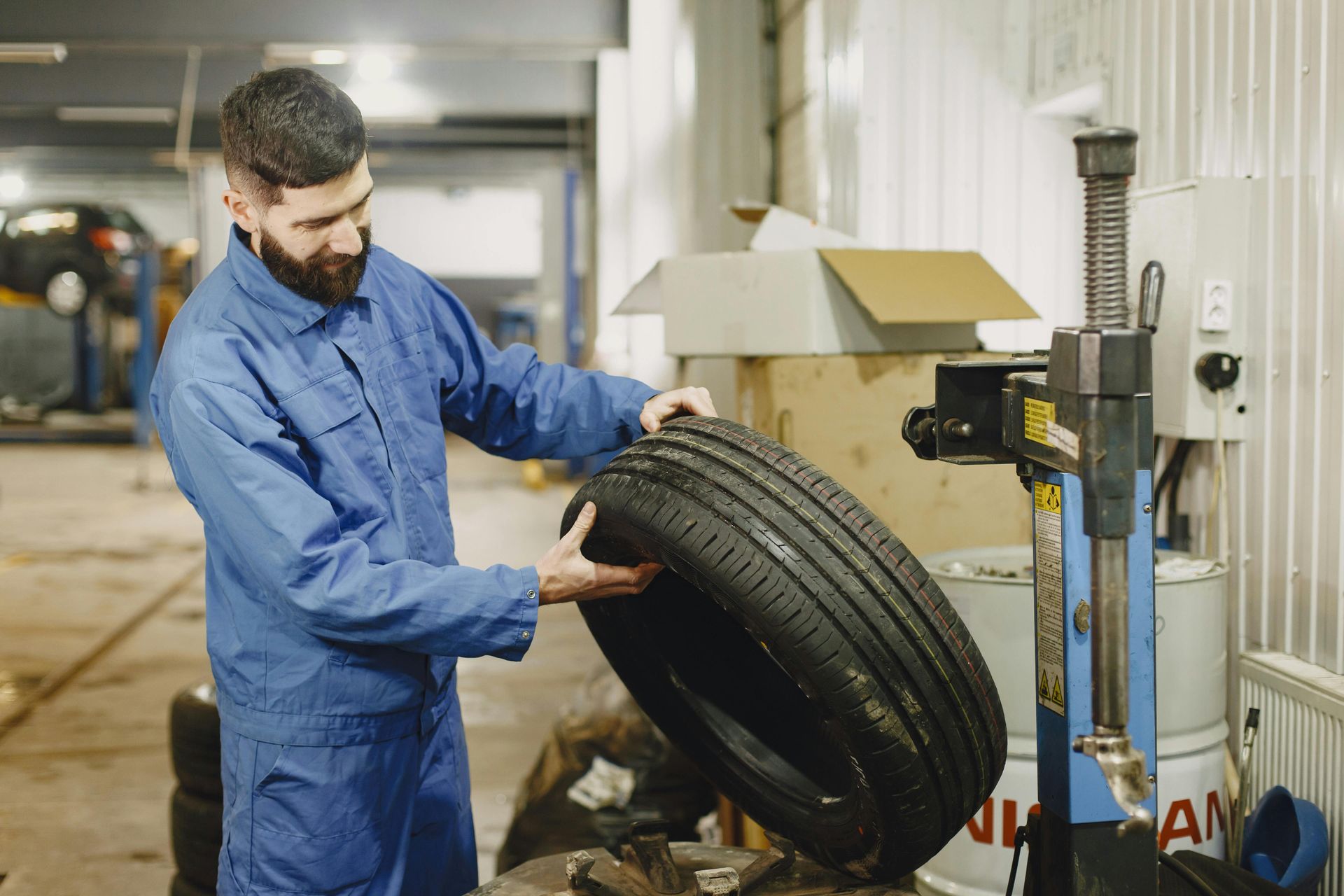
Tire rotation is key to keeping your vehicle running well. It helps tires last longer by avoiding uneven wear. This makes your car handle better and keeps you safer on the road.
The Tire Industry Association says regular rotation spreads wear evenly. Uneven wear can cause poor traction and loss of control, especially in bad weather. It also means each tire gets the same road time, which is good for handling.
Auto service leaders like LugWrench Heroes see many benefits in tire rotation. It not only makes tires last longer but also helps save fuel. Well-kept tires use less energy, which means less fuel for your car.
Finally, tire rotation is a big safety plus. It lowers the risk of a tire blowout, which can cause accidents. Even wear and top performance mean a safer drive for everyone.
Recommended Tire Rotation Intervals
Keeping up with a regular tire rotation schedule is key to making your tires last longer and improving your car's performance. Experts suggest rotating your tires every 5,000 to 8,000 miles. This is about every six months, or sooner if needed. Following these guidelines helps your tires wear evenly, making your ride smoother and saving fuel.
While general rules are helpful, it's crucial to check your car's owner's manual for specific advice. This ensures you follow the manufacturer's instructions and avoid early tire wear.
Studies show that regular tire rotation not only extends tire life but also boosts safety. It keeps your car's traction and handling at their best. Sticking to these guidelines means your tires will work better for you longer.
- Follow owner's manual guidelines for specific rotation patterns
- Regular rotation leads to even tire wear and improved performance
By making these habits part of your car care routine, you'll drive safer and more enjoyably.
How often do tires need to be rotated?
Knowing when to rotate tires is key for your car's performance and safety. Many things affect this, like the car type, tire, and how you drive.
Type of vehicle: Cars with front-wheel drive (FWD) or rear-wheel drive (RWD) should rotate tires every 5,000 to 7,500 miles. But, all-wheel drive (AWD) cars might need more frequent rotations. This is because power is spread evenly across all four tires. Knowing this helps keep your tires lasting longer.
Tire type: Different tires wear differently. All-season tires, being versatile, might need regular rotations. But, performance tires, being specialized, might need more attention.
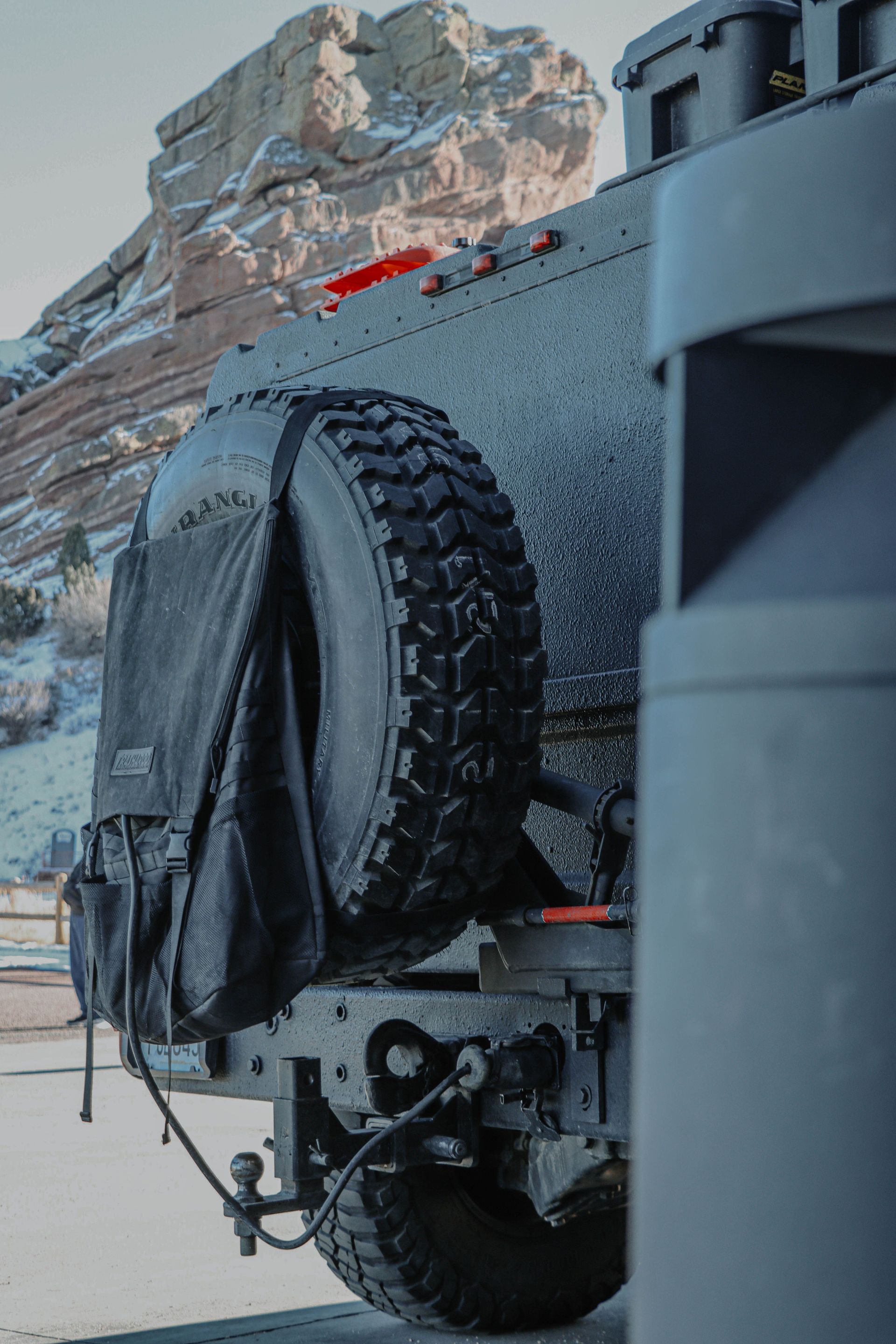
Driving patterns: City drivers might rotate tires with oil changes. Off-road drivers, however, should rotate more often. This is because rough terrains cause uneven wear.
Experts stress the need to follow tire rotation guidelines. They offer advice tailored to your car and tires.
By following these tips and considering your car's needs, you can make your tires last longer. This ensures a safer drive for everyone.
Signs It's Time to Rotate Your Tires
Regular tire rotation is key for your vehicle's performance and safety. Knowing when to rotate your tires can prevent uneven wear. It also ensures your vehicle handles smoothly and lasts longer.
Spotting tire wear patterns is important for drivers. If your tires wear unevenly, it's time for a rotation. This uneven wear happens because of steering and braking, affecting your vehicle's balance.
Vehicle vibrations are another sign. If your car vibrates at certain speeds or on smooth roads, it might mean uneven tire wear. These vibrations can make driving uncomfortable and unsafe.
Changes in how your car handles are also a clue. If your car doesn't steer smoothly or pulls to one side, it's a sign. This uneven wear makes your car hard to control.
Auto maintenance experts, like those at LugWrench Heroes, can give you tailored advice. They suggest checking your tires regularly for these signs. This proactive care keeps your vehicle in top shape.
By watching for tire wear, vibrations, and uneven tread, you can avoid problems. Regular tire rotations improve safety and extend your tires' life. This makes driving more affordable and enjoyable.
Conclusion
Regular tire rotations are key to keeping your vehicle in top shape. This article showed how following the recommended rotation schedules helps a lot. It improves your car's safety, performance, and how long it lasts.
Knowing when to rotate your tires and doing it on time can stop uneven wear. This helps your tires last longer. It's a simple step that makes a big difference.
But tire rotation does more than just keep you safe. It also saves you money by making your tires last longer. Plus, it keeps your car running efficiently, saving on gas.
So, taking care of your tires is not just smart. It's essential. By making tire rotations a regular part of your car's upkeep, you'll see many benefits. It's a small step that can make a big difference in your car's life and your driving experience.