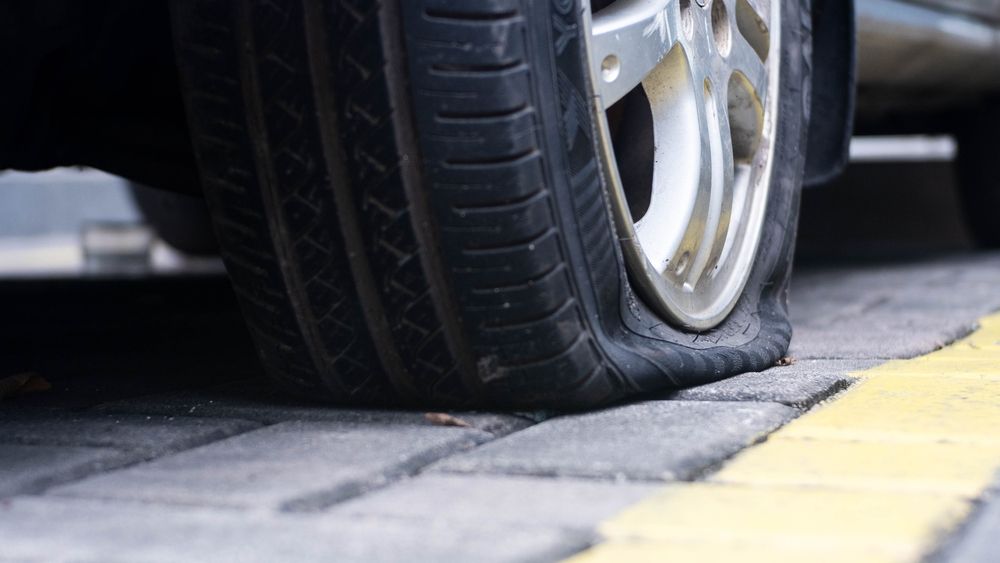
How often should your tires be inspected?

February 21, 2025

TJ Loftus

Ever thought about how often you should check your tires? It could mean the difference between driving safely and facing a serious accident. Regular tire checks are crucial for your car's performance and your safety.


Every driver should think about when to check their tires. Lugwrench Heroes suggests checking tire air pressure every two weeks to once a month. Also, do a full tire inspection at least once a month for even tread wear, cracks, and foreign objects. This helps avoid problems like vibrations at high speeds, which can damage your tires.

In 2022, 562 people died in car crashes caused by tire issues. Shockingly, only 19% of drivers inflate their tires correctly. This means 81% are driving on underinflated tires.


Keeping your tires in good shape, from the right air pressure to regular checks, makes driving safer and can even save you money on fuel.


So, how often should you check your tires? It's best to inspect them monthly for wear and check air pressure every two weeks to once a month. These steps help keep your tires in top shape, ensuring a safe drive.


Key Takeaways

  • Recommended tire air pressure checks: every two weeks to once a month.
  • Comprehensive tire inspections: at least once a month.
  • Tire rotation frequency: every six months or every 6,000 miles.
  • Proper tire inflation can save up to 11 cents per gallon on fuel.
  • Maintaining correct tire pressure can extend tire life by up to 4,700 miles.


Tire Maintenance Schedule: Keeping Your Tires in Top Shape

Keeping up with a tire maintenance schedule is key for safe driving and longer-lasting tires. It's important to stick to a detailed tire examination routine. This includes regular checks and maintenance tasks.


Here are the main parts of a good tire maintenance plan:

  • Tire pressure checks: Check tire pressure monthly and before long drives. The right pressure boosts fuel efficiency and tire life. Remember, warm tires can show higher pressure than cold ones.
  • Tire rotation: Rotate tires every 5,000 to 7,000 miles to avoid uneven wear. This keeps tires balanced and your drive smooth.
  • Wheel alignment: Check wheel alignment yearly or every two years, especially after getting new tires or if your car pulls to one side. Proper alignment cuts down tire wear by 25% and boosts fuel economy by 10%.
  • Tire balancing: Balance tires whenever they're removed or if you feel vibrations at high speeds. This ensures even weight, reducing uneven wear and making your ride more comfortable.
  • Tread depth assessment: Check tread depth often, especially in wet weather. Use a quarter to gauge tread depth. If Lincoln's head is visible, it's time for new tires.


Following these tire check-up guidelines can greatly lower the chance of tire-related accidents. It also makes your car run better. A good tire maintenance schedule keeps you safe, saves gas, and extends tire life.


How often should your tires be inspected?

Regular tire checks are key to keeping your vehicle running well. You should inspect your tires at least once a month. Look for the right air pressure, tread depth, and any damage.


Use the penny test to check tread depth. If you can see Lincoln's head, it's time for new tires.


Check your tires every 2 to 4 weeks for signs of misalignment. This can cause uneven wear. Also, check them right after hitting potholes or after hard braking.


Get a professional to check your tires at least once a year. They can give a full report on their condition.


Seasonal changes mean you need to check tire pressure more often. Check it monthly, and in the morning for the best reading. Make sure your tires are set for the weather, whether it's hot or cold.


Rotate your tires every 5,000 to 7,000 miles. This keeps them wearing evenly. It prevents noise, vibration, and quick wear.


Don't forget to check your spare tire monthly. Make sure it's ready for use when you need it.


Always follow your owner’s manual or get advice from a professional. A regular check-up schedule is vital for safe driving.


Conclusion

Regular tire checks are key for safe driving, good performance, and better fuel use. Following a set schedule for tire checks helps avoid tire failures and makes tires last longer. Knowing when to check tires and following safety tips can make driving safer and more enjoyable.


Checking tire pressure regularly is a must. Do it at least once a month and before long drives. Tires can lose up to 25% of their air each month. Under-inflated tires use more fuel and are more likely to blow out.


Rotating tires every 5,000 to 7,000 miles helps them wear evenly. This is often done at the same time as oil changes. It makes tires last longer.


It's also important to check tread depth. Tires should have at least 2/32 of an inch of tread for safe driving. Uneven wear can mean your car needs alignment or balance checks.


Wheel alignment should be checked every 4,000 to 6,000 miles. Tires should be balanced every 5,000 to 7,000 miles. Replacing tires every six years, even if they look fine, is a good rule for safety and performance.


Knowing when to check tires and acting quickly can prevent accidents. Drivers should learn about their tire needs and how often to check them. This way, they can drive safely and confidently on every trip.

tire blow out in phoenix arizona
By Nate Martin July 21, 2026
Tire blowouts spike in Arizona's summer heat. Here are the top causes, how to prevent them, and exactly what to do if one happens on a Phoenix freeway.
man patching tire
By Haley Thompson June 30, 2026
When a run-flat tire gets a puncture, the first question is if it can be fixed like a regular tire. Or does it need to be replaced entirely?
flat tire
By Haley Thompson June 12, 2026
Getting a flat tire is never planned and often happens at the worst times. Whether you're in a rush or stuck in a hard-to-reach spot, knowing what to do is key.
How long can I drive on a patched-up tire in Phoenix, AZ? - LugWrench Heroes
By Haley Thompson May 22, 2026
Knowing about patches and plugs is key to safety and long life. How long you can drive on a patched tire depends on the quality of the repair, the type of damage, and your driving.
How much should it cost to get tires rotated in Arizona? - LugWrench Heroes
By Haley Thompson May 8, 2026
This simple step keeps your car handling well. It's a must for every driver to know about. Prices can swing from $20 to $100. It's good to understand this to plan for car care costs.
What does mobile tire service cost in Scottsdale, AZ? - LugWrench Heroes
By Haley Thompson April 20, 2026
Choosing mobile tire services is a smart move for those who value convenience. It saves time and avoids the trouble of going to a service center.
man grabbing tire from shelf
By Haley Thompson April 10, 2026
Replacing all four tires is a key maintenance task. It ensures your vehicle is safe, performs well, and is reliable. Knowing the cost is important for planning your budget.
By Haley Thompson March 20, 2026
The United States has over 12 million RVs, campers, and motorhomes. This shows a huge need for top-notch RV tires. These big vehicles need tires that keep them stable, handle well, and work well in all kinds of weather. Choosing the right RV tires is more than just looking for durability. It's about finding tires that fit your travel plans and RV type. Key Takeaways The U.S. has over 12 million RVs on the road. High-quality RV tires are essential for safety and prolonged use. RVs require tires that provide stability and excellent handling. Tire selection should align with specific RV and travel requirements. Understanding tire specifications is key for the best performance. Understanding Different Types of RV Tires It's important to know about the different RV tires available. Each type is made for specific needs, ensuring safety and good performance on the road. Light Truck (LT) Tires Light Truck (LT) Tires are great for smaller RVs. They give better handling and a smoother ride than other tires. They're durable and have strong road grip, perfect for vehicles towed by cars. Special Trailer (ST) Tires Special Trailer (ST) Tires are made for trailers. They have strong sidewalls to prevent swaying and carry more weight. But, they should only be on trailers, not the driving axles of motorhomes. Commercial Truck Tires Commercial Truck Tires are for bigger Class A motorhomes. They're built for long trips and heavy loads, costing more but lasting longer. Their strong design is perfect for big RVs, making trips reliable. What You Need to Know Before Shopping for RV Tires Before buying RV tires, it's key to think about a few important things. These factors affect how well your tires perform and how safe you are on the road. Knowing these details makes every trip better and less stressful. Load Rating The load rating of a tire is very important. You should pick tires that can carry more than your RV's usual weight. This choice keeps you safe and makes your tires last longer. Tires that are too heavy can blow out and make it hard to control your RV. Tread Design and Speed Rating Tread design affects how well your tires grip the road and how much noise they make. You need to choose a pattern that fits where you usually drive. The speed rating must match the fastest speed you'll go. If they don't match, your tires will wear out faster and be less safe. Seasonal Considerations Seasonal considerations are also important. If you drive in different weather, you should get all-season or winter tires. These tires are safer and work better in different weather, making your trips smoother no matter the season. Conclusion Choosing the right RV tires is key to a great travel experience. RVs are both vehicles and homes on wheels. So, picking the right tires is very important for safety and comfort.  There are different types of tires for RVs, like Light Truck (LT), Special Trailer (ST), and Commercial Truck Tires. Each type has its own features, like load ratings and tread designs. Knowing this helps you make a better choice. Always talk to tire experts and look for reputable brands. The right tires make your RV safe and comfortable. Whether you're going on a short trip or a long adventure, the right tires are essential. Need tire repair services or an inspection in the Phoenix Metro? Call Lug Wrench Heroes at 602.932.0818 today for professional mobile tire services, repair, and replacement in Phoenix, AZ .
tire inspection
By Haley Thompson March 6, 2026
Tire safety checks are key to keeping drivers safe on the road. Tires are the only part of a car that touches the ground. They are critical for safe travel.