

Did you know that nearly 11,000 tire-related crashes happen each year in the United States? Knowing when to replace your Toyota tires is key for safety and performance.
Keeping up with your Toyota tire replacement schedule can prevent accidents and make driving smoother. This article will help you understand how often to replace Toyota tires and share important maintenance tips for safe driving.
Key Takeaways
- Tires are integral to vehicle safety and performance.
- Regularly checking your Toyota tire replacement schedule can prevent unexpected issues.
- Understanding wear indicators aids in timely tire replacement.
- Tire lifespan varies based on driving habits and environmental conditions.
- Proper maintenance extends the life of your Toyota tires.
- Replacing tires at the right time enhances fuel efficiency and driving comfort.
Understanding Tire Lifespan and Wear Indicators
The Toyota tire lifespan depends a lot on regular care and timely checks. Tires should be replaced when the tread hits the wear indicators. These indicators show when the tread is too low.
Wear bars become visible when the tread is less than 2/32 of an inch. This means it's time to replace the tires right away.
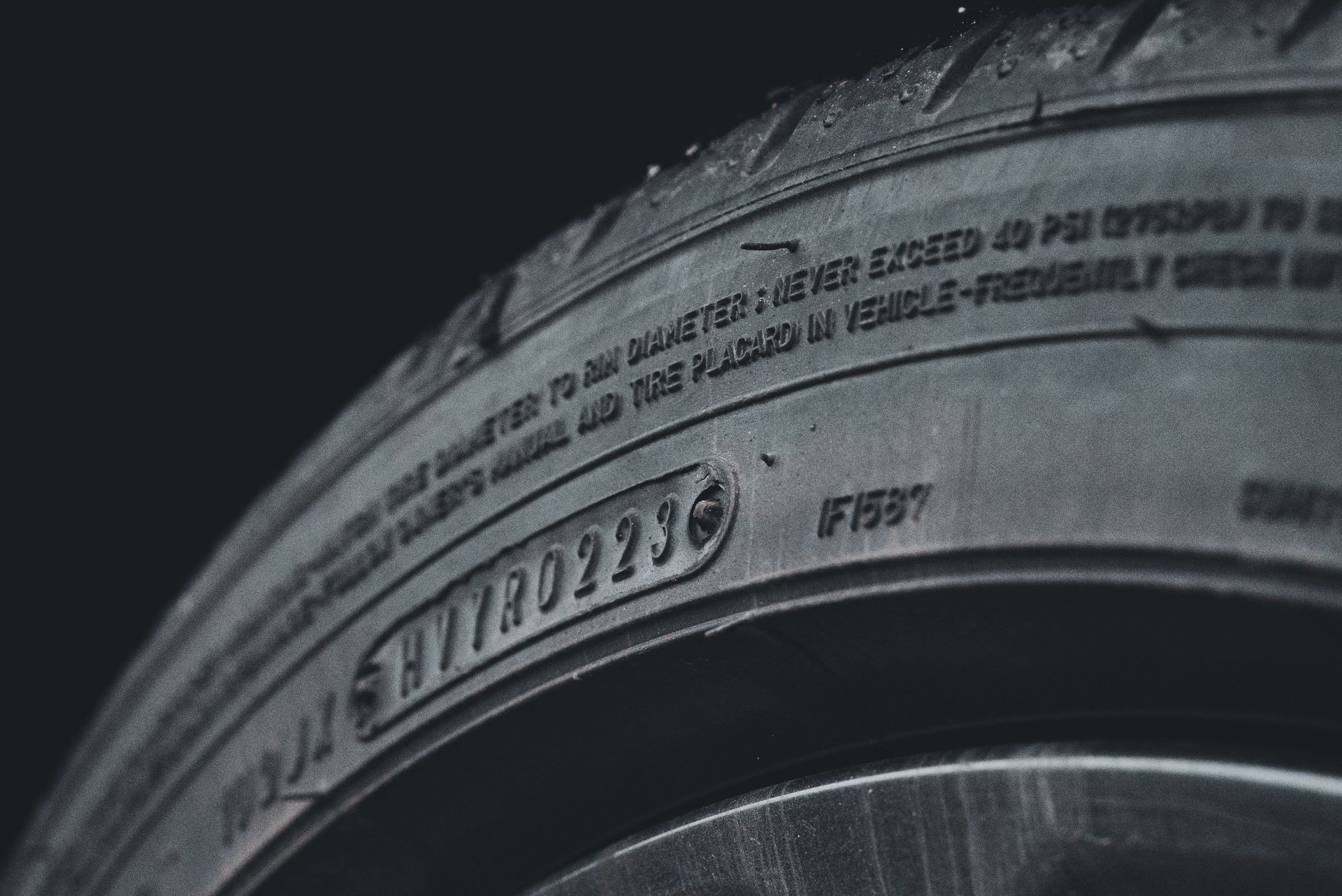
Even if they look fine, tires older than six years should be replaced. Toyota tire wear indicators help figure out when this is necessary. Uneven wear can mean alignment or suspension issues.
Cracks, bulges, or blisters on the tire surface are serious. They can cause blowouts or leaks. So, it's important to replace any tires with these signs to stay safe.
Also, if your tires vibrate or make noise while driving, it's a sign of a problem. These symptoms might not go away even after balancing or alignment.
Regular checks, rotations, and alignments are key. Toyota suggests routine car service for the best tire performance and safety. Always check the tread depth, as less than 2/32 of an inch can lead to hydroplaning.
Rotating tires every 6,000 to 8,000 miles helps prevent uneven wear. Front tires wear out faster, so rotation keeps all tires even. Also, check the sidewalls for cracks or bulges, as these can weaken the tire.
Bulges often come from hitting potholes or curbs, showing internal damage. Vibrations through the steering wheel or seat mean you need a professional check. These signs can point to unbalanced or misaligned tires. Regular, detailed inspections can find hidden problems. This ensures a safer and more efficient drive.
In conclusion, knowing your Toyota tire wear indicators and Toyota tire lifespan helps you know when to change tires. This keeps your vehicle safe and reliable on the road.
Common Signs That Indicate the Need for Replacement
Knowing when your Toyota tires need to be replaced is key for safety and performance. A worn-out tire shows when its tread is less than 2/32 of an inch. At this depth, tires are not just worn out but also dangerous, increasing stopping times on wet or icy roads.
Regular checks are vital to spot tire problems early. Look for cracks, bulges, or any damage that could weaken the tire. A weekly check can help prevent major issues, keeping your tires in top shape.
Under-inflation is another major cause of tire wear. Tires that are 20% under-inflated can cut fuel efficiency by up to 10%. They also cause about 75% of tire blowouts. Proper inflation can extend tire life by up to 30% and improve safety. Always check tire pressure monthly and before long drives.
Buying tires in sets is best for modern cars. It ensures balanced handling and performance. This makes for a smoother and safer drive.
When should I replace my Toyota tires?
Knowing when to replace your Toyota tires is key for safety and performance. Check the tread depth regularly. The U.S. Department of Transportation says to replace tires when the tread is 1/16th of an inch deep. You can use the "penny test" to check this. If you see Lincoln's head when a penny is placed in the tread, it's time for new tires.
Also, look for tread wear indicators on your tires. These are signs that the tire is no longer safe. Regularly check your tires for any damage like cracks or cuts. These can cause air leaks or blowouts.
Check your tires' sidewalls at least once a week. If you feel a lot of vibration while driving, it might mean your tires need attention. Tires must have at least 2/32 inches of tread to be safe. Not having enough tread can make driving on wet or icy roads very dangerous.
About 25% of drivers don't check their tire tread often enough. This can lead to accidents. Regular checks can make your tires last longer, saving you money. Also, always check your tire pressure. It can drop with temperature changes, affecting your car's fuel efficiency.
Knowing when to replace your tires is more than just looking at them. Get a professional inspection if you notice any damage or if your tires don't seem right. This keeps your car safe and your passengers safe too.
Conclusion
Knowing when to replace Toyota tires is key for safety and performance. Tires start at 10/32 of an inch and need to be replaced at 2/32 of an inch. Tires older than six years should also be replaced, even if they look fine.
Following Toyota's tire care tips can make tires last longer and save fuel. Keeping tires at the right pressure can save up to 3.3% on fuel and prevent wear. Rotating and balancing tires every 5,000 to 8,000 miles also helps.
Weather affects tire pressure and performance. This can lead to uneven wear and safety risks. Regular checks and following maintenance schedules are essential.
Underinflated tires can shorten their life by up to 25% and cause nearly 11,000 crashes a year in the U.S. So, it's important to check tires often and replace them when needed. By doing this, drivers can avoid costly repairs, stay safe, and keep their cars running well.